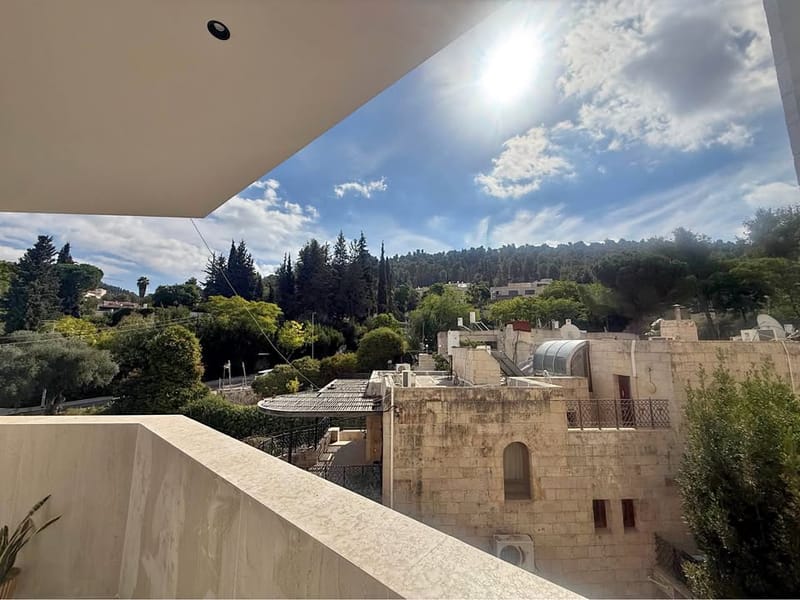
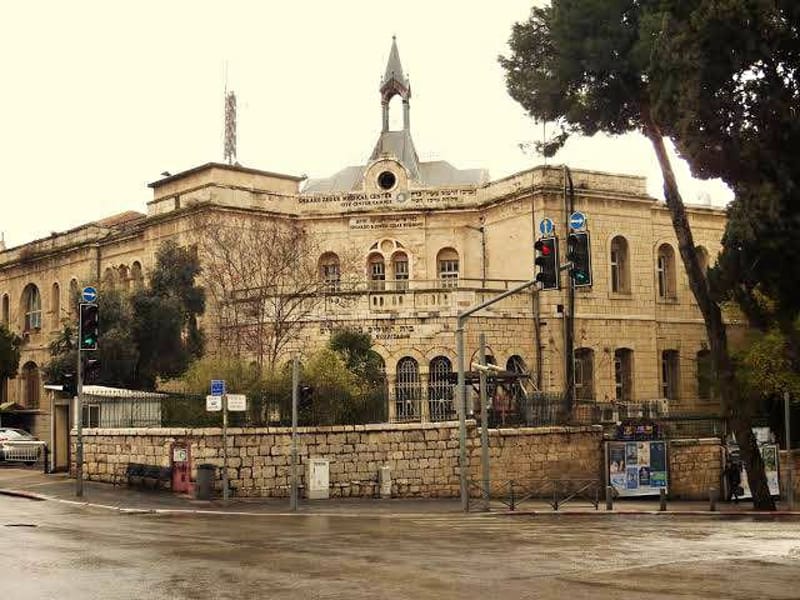
Jerusalem is a massive, complex, and mesmerizingly beautiful city. It has a distinct rhythm, heavily dictated by Shabbat, when most of the city shifts into a quiet mode. It's a city of neighborhoods that feel like small villages, featuring a human mosaic ranging from veteran families and students to religious and ultra-Orthodox communities, new immigrants, and artists. The energy here is intense (and be prepared for real, cold winters), the cultural scene is surprisingly rich, and the Mahane Yehuda market serves as the main hub for nightlife and action for young people. It's not necessarily a carefree city, but if you're looking for meaning, a strong sense of community, magic, and breathtaking views—Jerusalem has a magnetic pull that's hard to explain.
The rental market in Jerusalem is brutal and highly competitive. Large portions of the housing supply in highly sought-after neighborhoods (like Rehavia, Talbiya, Baka, and the German Colony) are taken up by "ghost apartments" owned by non-residents or used for short-term rentals. This forces students and young couples into a fierce battle for apartments in neighborhoods like Nachlaot, Katamon, Kiryat Yovel, and French Hill.
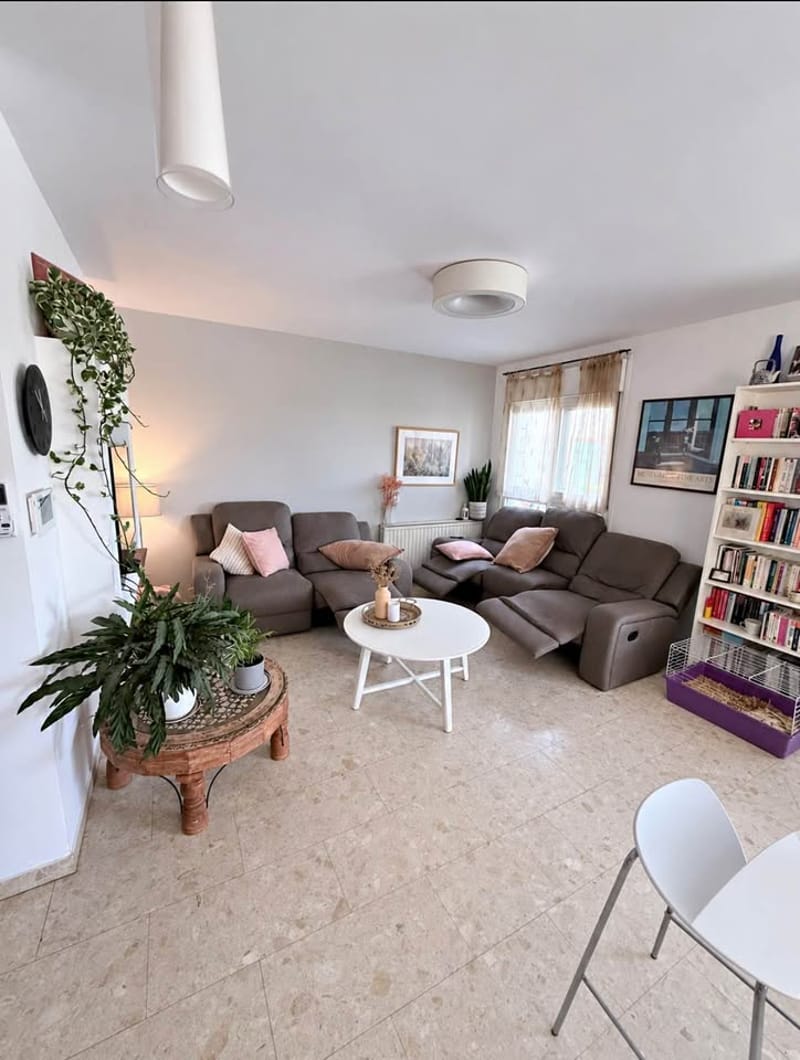
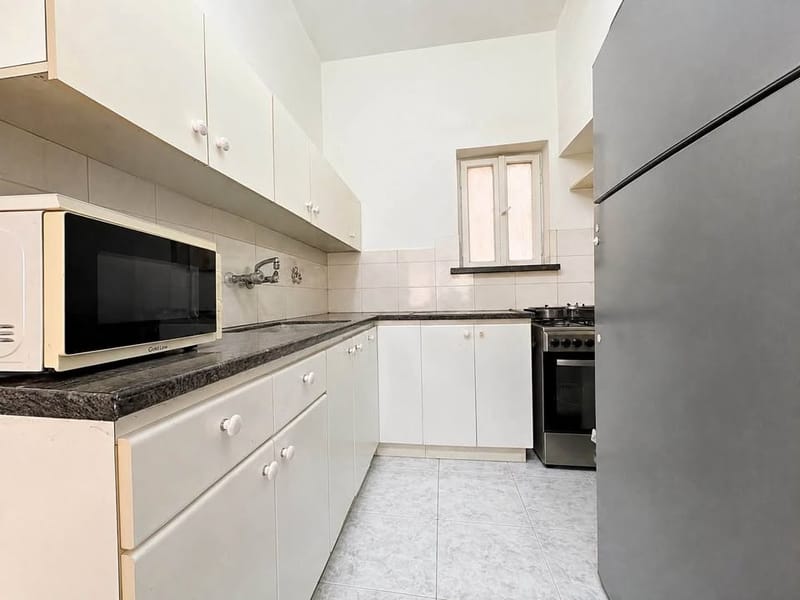
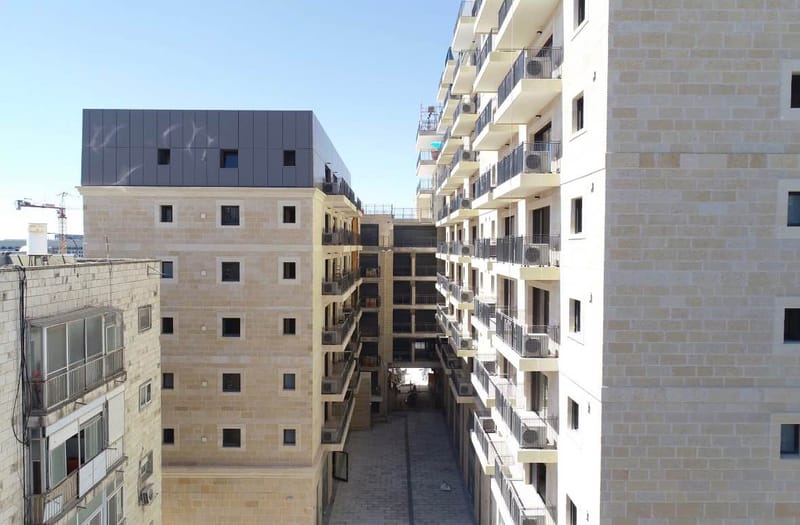
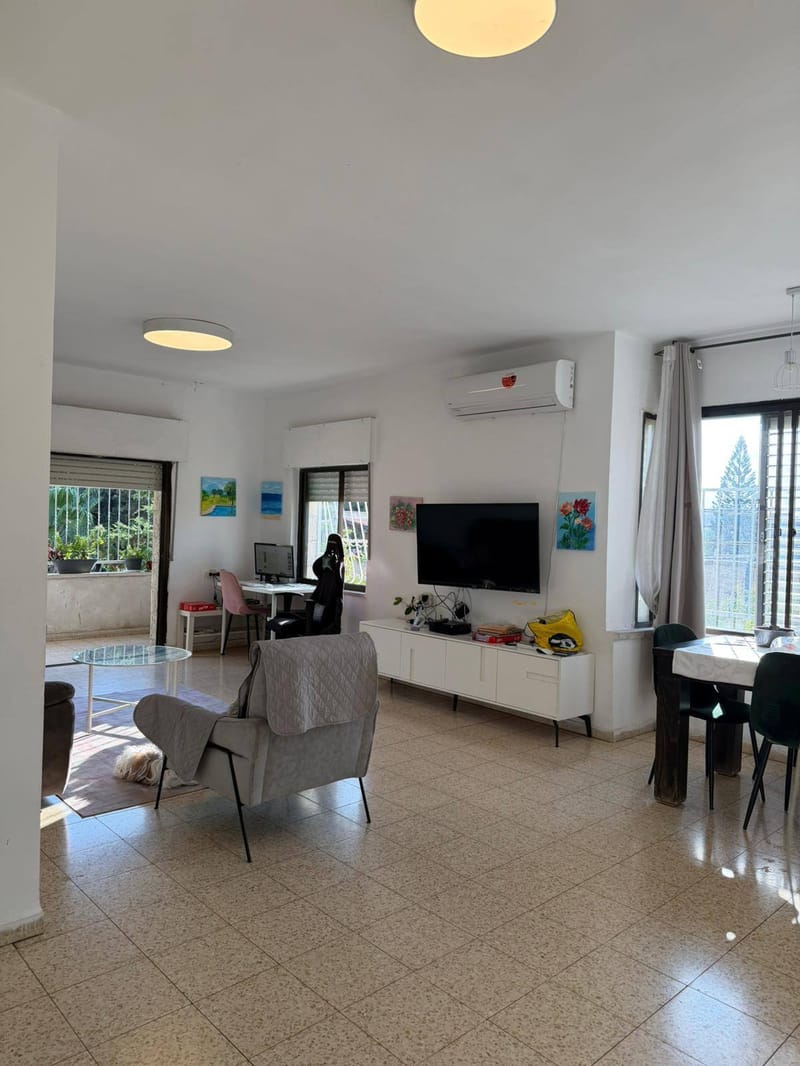
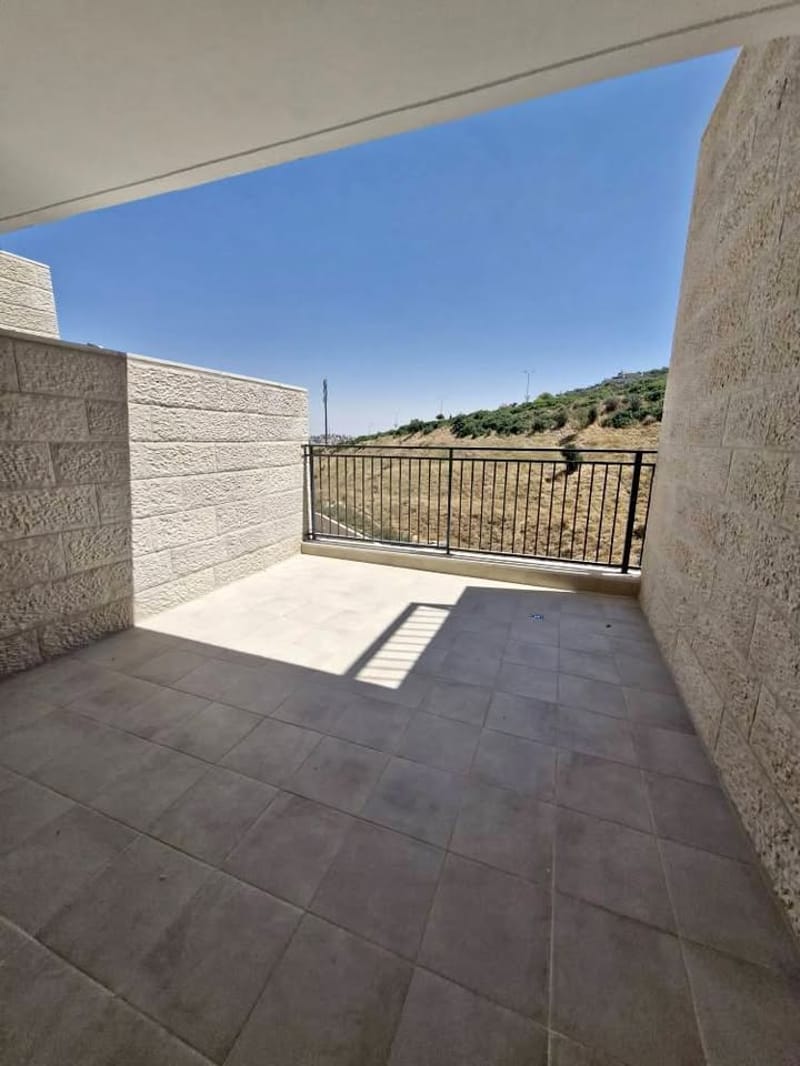
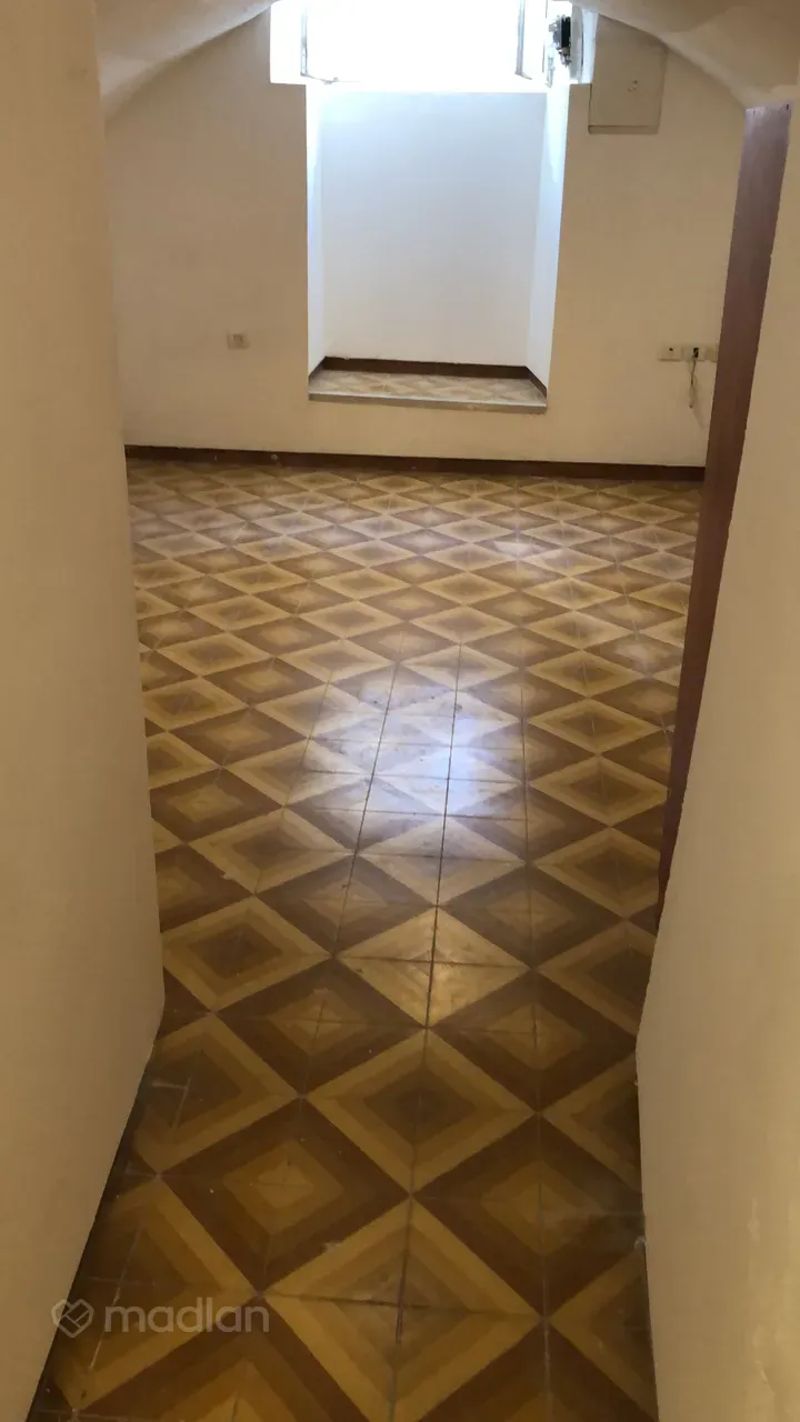
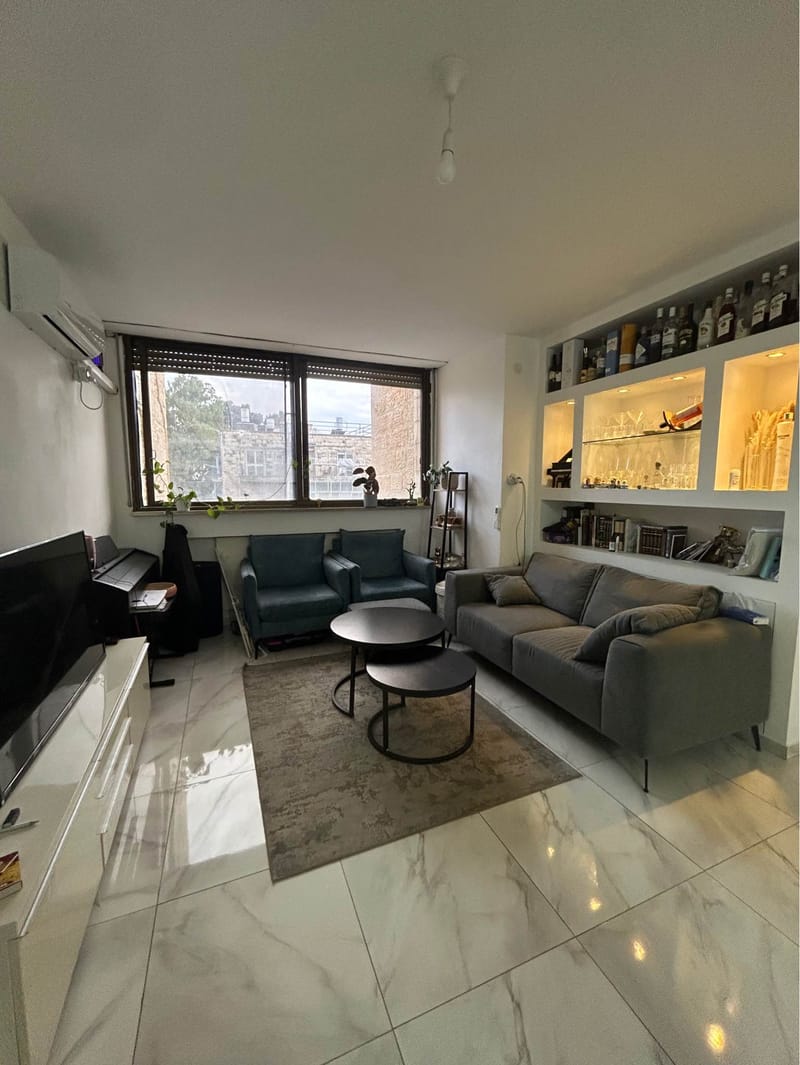
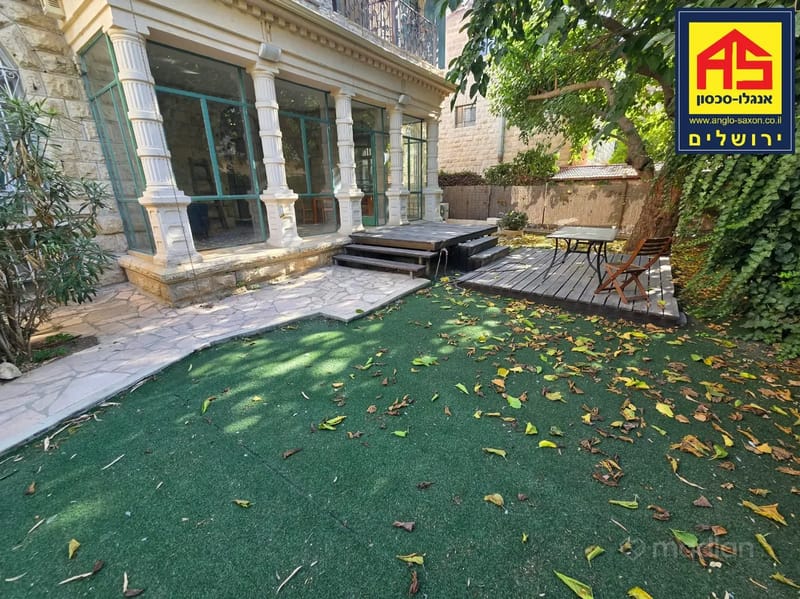
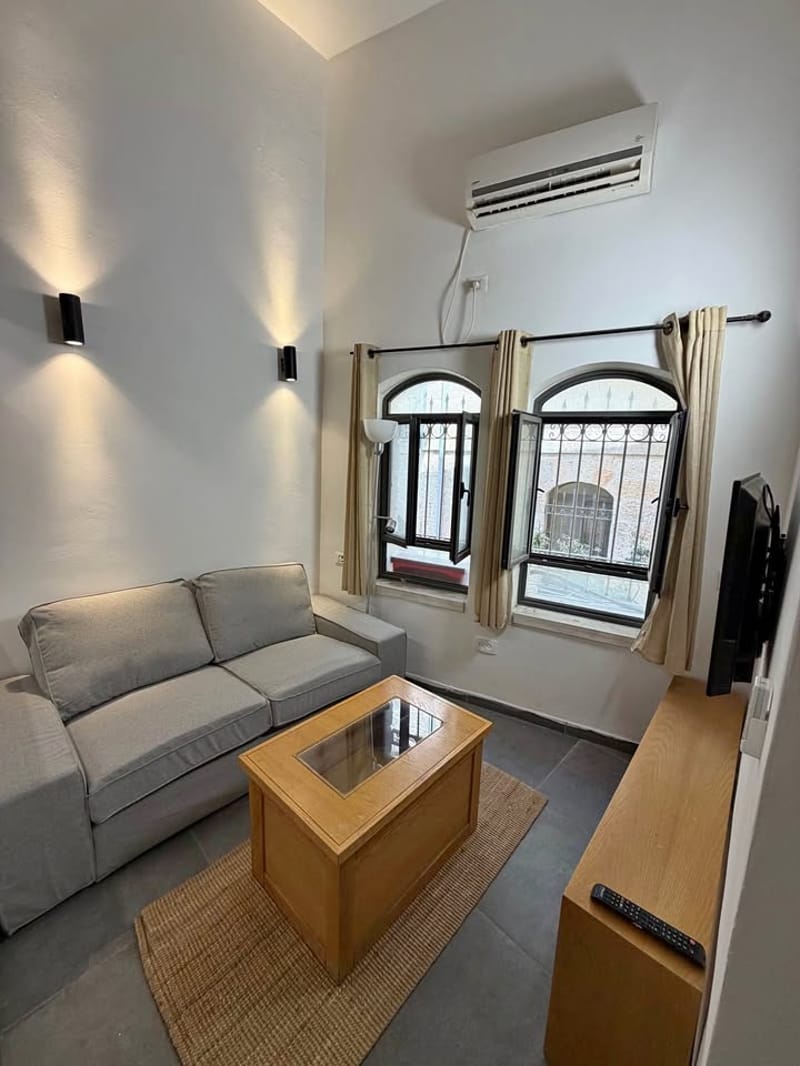
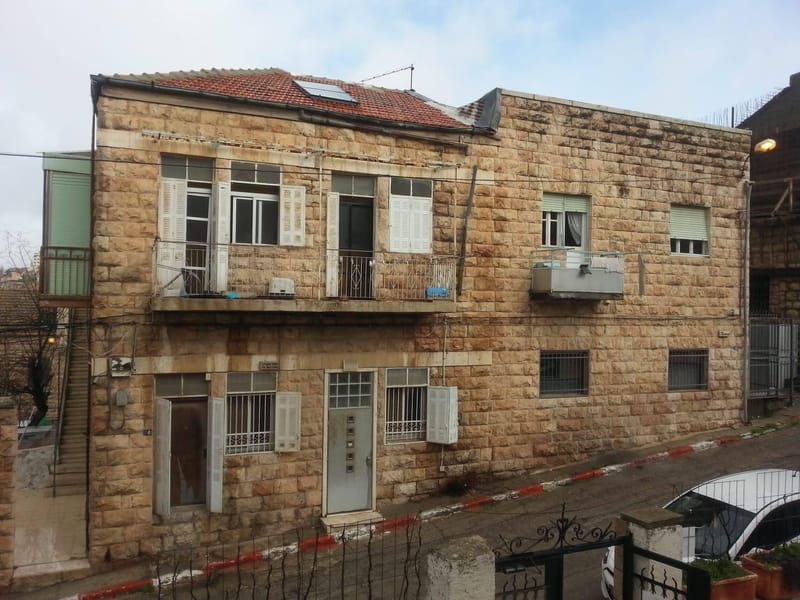
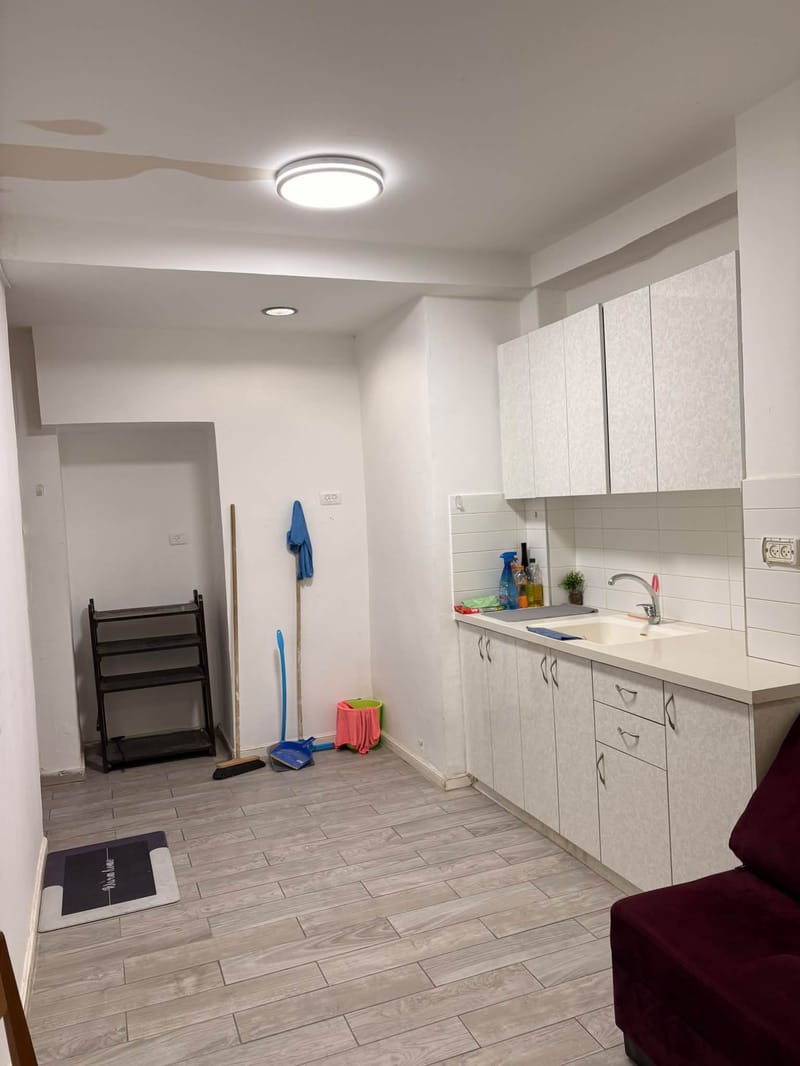
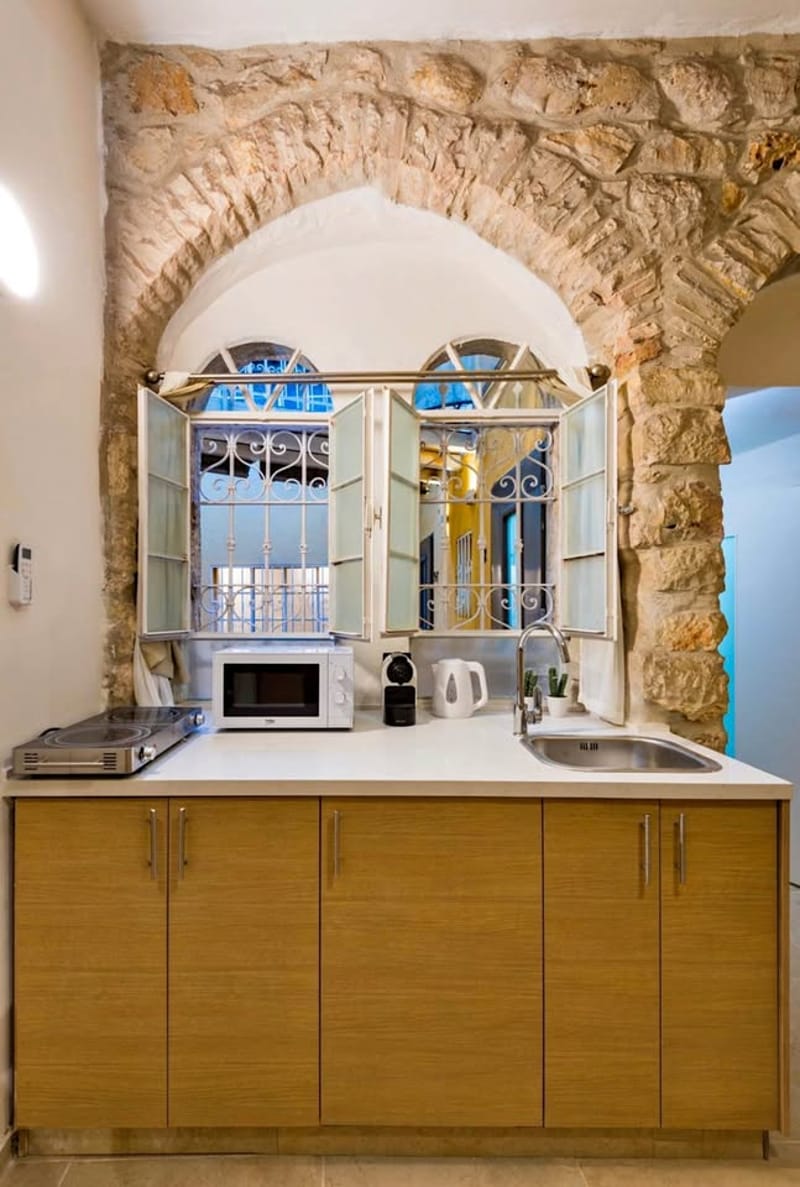
Apartments here usually come wrapped in classic Jerusalem stone on the outside with high ceilings on the inside. However, they are often very old buildings with no elevators, ancient plumbing, and poor insulation (winter heating is a significant monthly expense). Living with roommates is the absolute standard for students at Bezalel and the Hebrew University. Prices fluctuate wildly, sometimes even from street to street, depending on the local demographic and proximity to points of interest.
Day-to-day commuting in the city can be challenging. The Light Rail has been running for years and is a true lifeline across the city, but buses can easily get stuck in traffic, especially on main arteries. Walking isn't always easy either—the city is very hilly, and a quick run to the grocery store can turn into a full workout. Consequently, standard scooters and non-electric bikes are usually out of the question.
Living in Jerusalem requires adaptation. You need to know how to navigate a city that mostly shuts down on Shabbat (with no public transportation and very few entertainment spots open outside specific areas), and there's an inherent socio-political tension constantly lingering in the air. But those who fall in love with Jerusalem usually become addicted to it. There is something about the combination of history seeping from every wall and the strong community life that makes up for all the difficulties.
1,589 listings added in the last month · 467 already rented · Last updated today at 00:23
We use cookies to keep the site running, improve your browsing experience, analyze usage and personalize content and advertising. Learn more in our privacy policy.

 Try Dorit for Free