
 Try Dorit for Free
Cure Period
A designated timeframe granted to the breaching party to correct a violation before the other side can legally cancel the agreement or take court action.
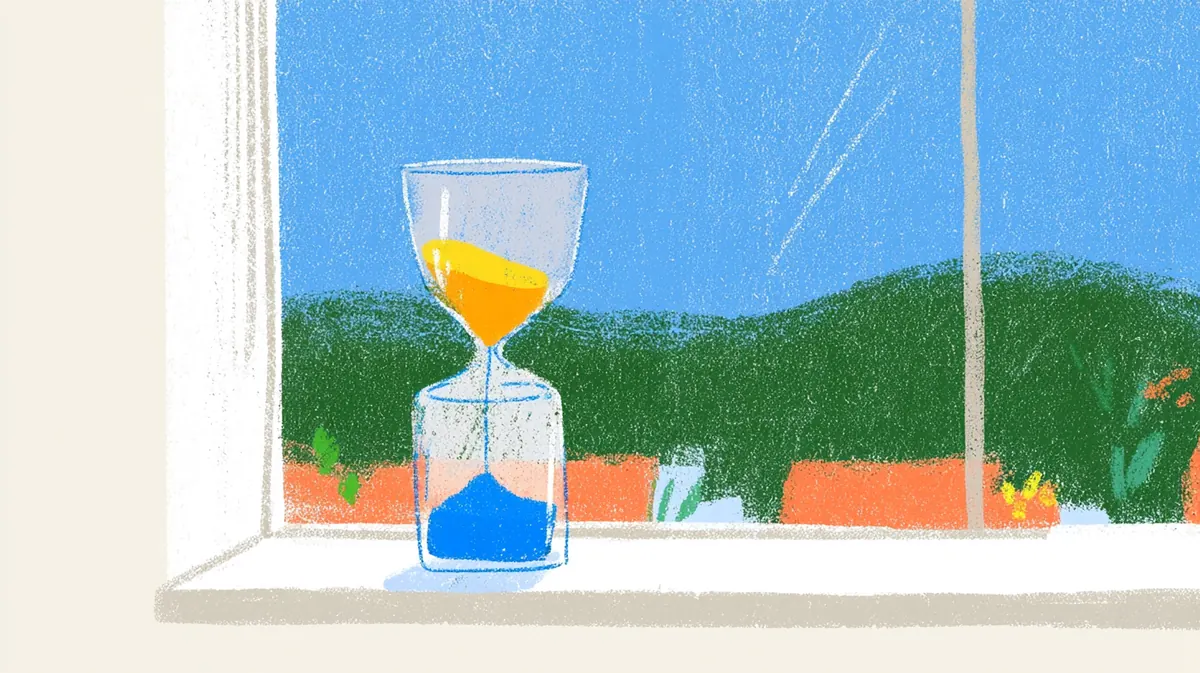
The law stipulates that before terminating a lease for a breach (excluding exceptionally severe violations), the injured party must issue a written notice allowing a reasonable opportunity to make amends. The standard cure period is 30 days from receipt of the notice. If the issue is fully rectified within this window, the agreement remains valid and legally binding.
For urgent or dangerous breaches—such as severe plumbing leaks or safety hazards—the cure period can be reduced to as little as 7 days. If the defaulting party fails to address the breach after this warning, the aggrieved party can petition the court to cancel the lease, award financial damages, or issue an order for specific performance compelling the fix.




What kind of apartment are you looking for?
Dorit scans the web 24/7 and sends you an alert the moment a matching apartment goes live
Related terms
Fundamental Breach
A severe breach of the lease agreement that entitles the harmed party to terminate the contract and seek damages, such as repeated non-payment of rent or intentional property damage.
Eviction Claim
A legal proceeding in which a landlord asks the court to order a tenant out of the property due to a lease breach or the end of the tenancy term.

Urgent Defect
A severe defect that impairs essential use of the apartment or poses a hazard to occupants, requiring immediate repair by the landlord.
The information in this glossary is for general informational purposes only and does not constitute legal advice. In the event of a dispute or a specific legal question, consult an attorney specializing in tenancy law.