Kfar Yona sits right on the seam between an old-time moshava surrounded by citrus groves and a growing family town that still hasn't parted with the surrounding Emek Hefer fields. Despite the high-rises that have sprouted here over the past decade, most of its area remains green and open, and the daily pace feels much closer to a quiet community town than a bustling city. Life here revolves around home, parks, youth movements, and the community center (matnas), and in the evenings, quiet descends early on the streets (if you are looking for a neighborhood bar or a restaurant for a night out, you'll need to drive to Emek Hefer or Netanya). This blend of space and tranquility attracts mainly young families and up-sizers from the Sharon and Gush Dan, career military personnel carrying on a local tradition, and students from the Ruppin Academic Center.
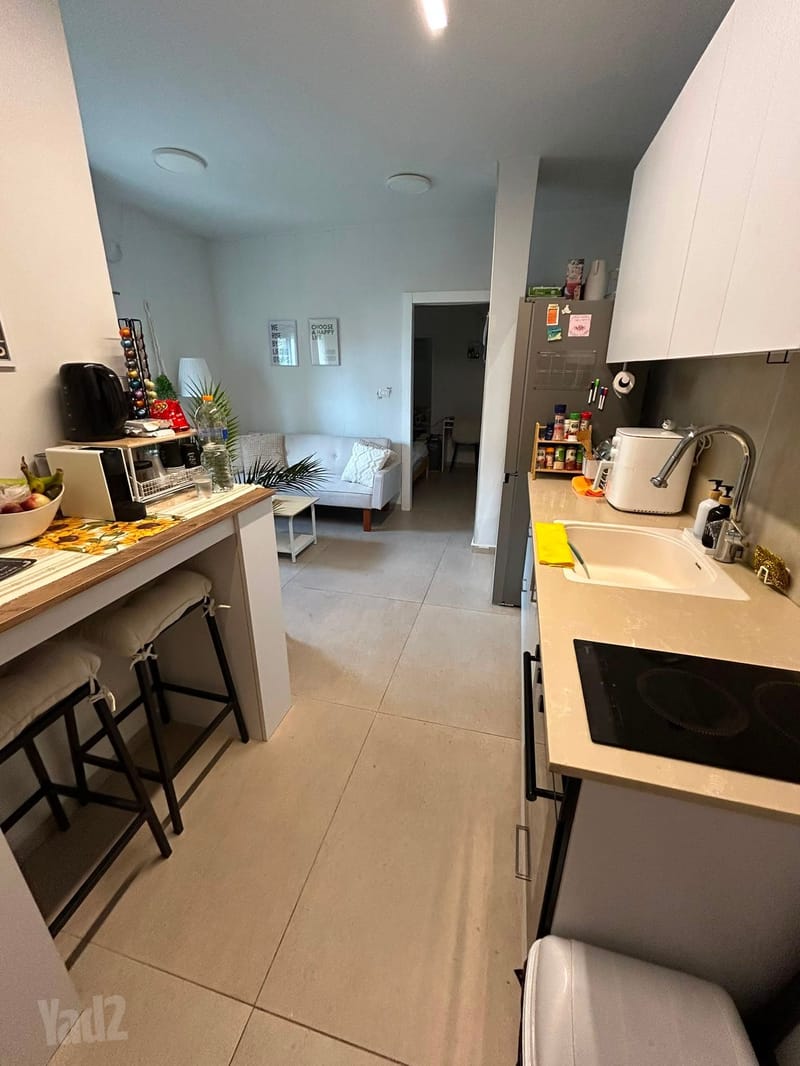
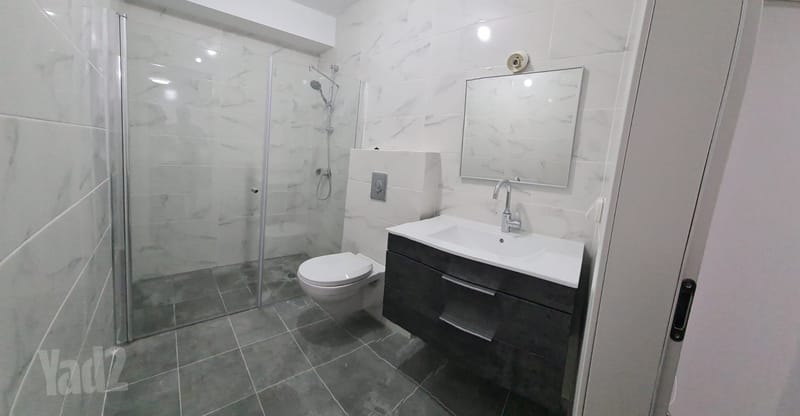
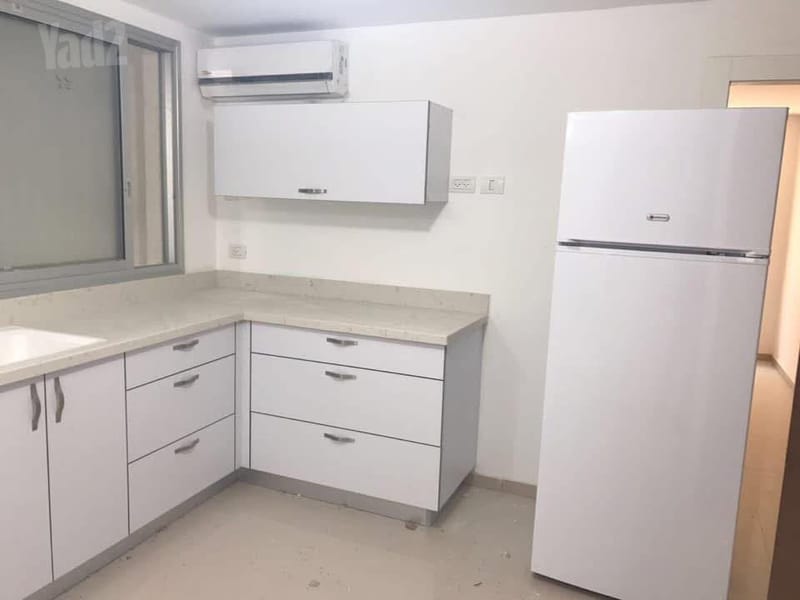
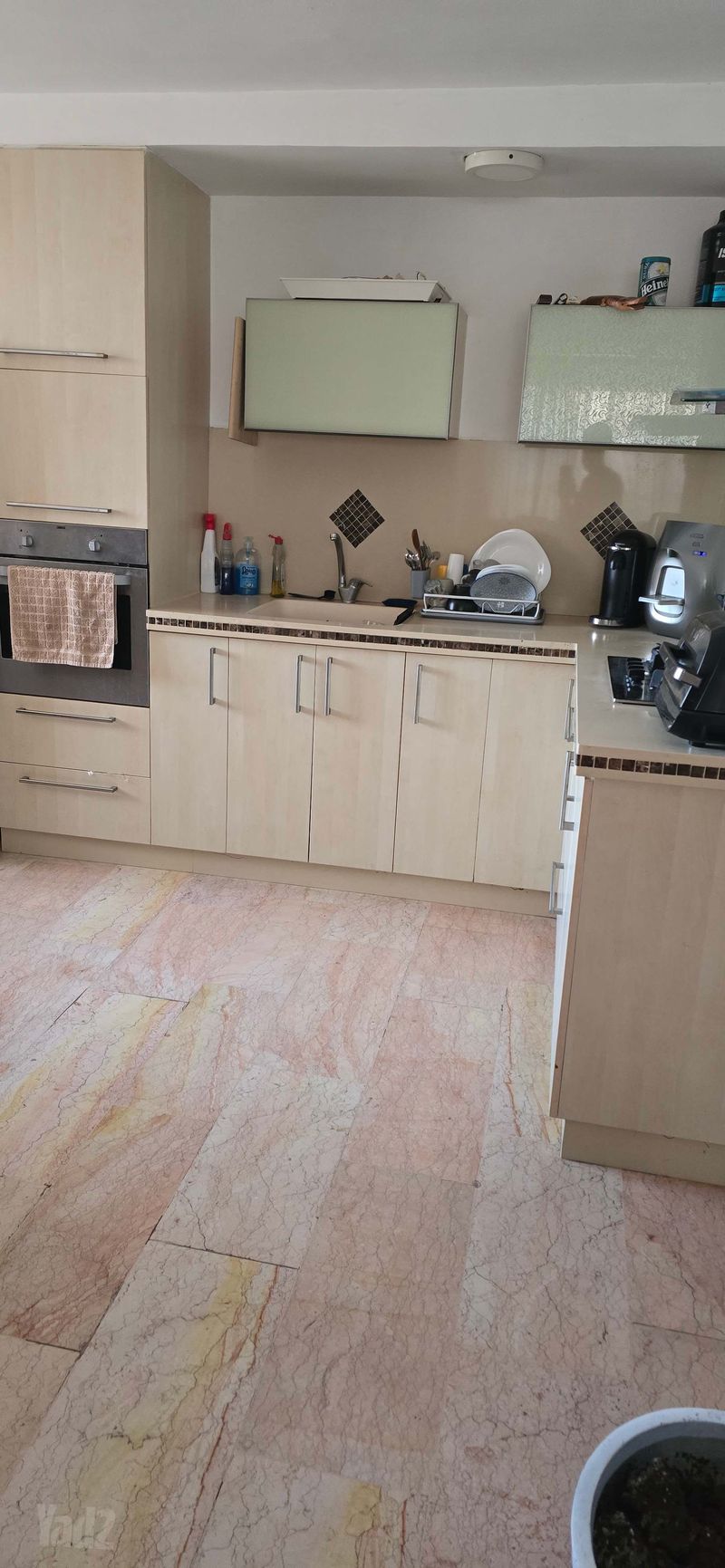
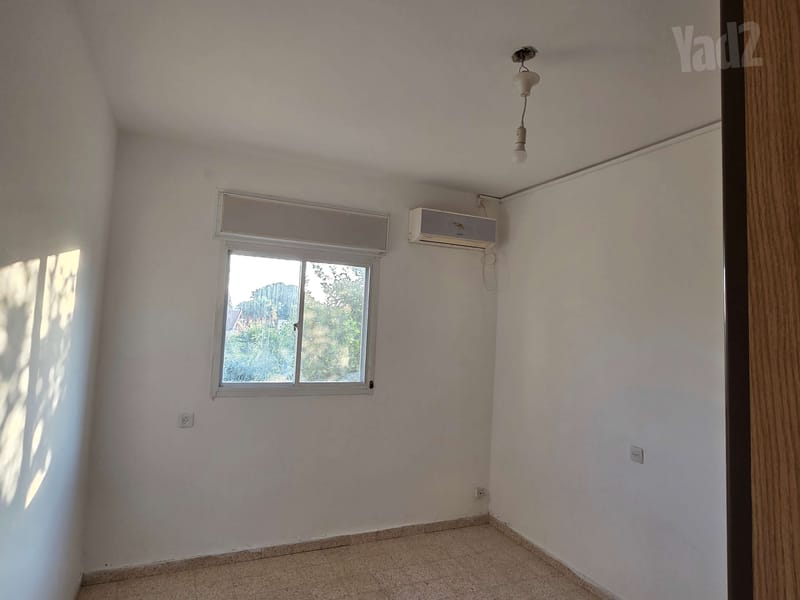
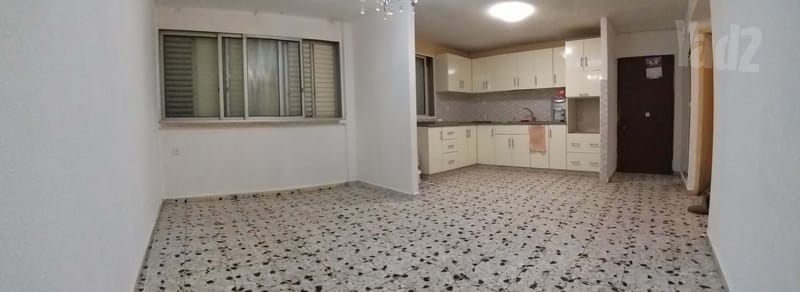
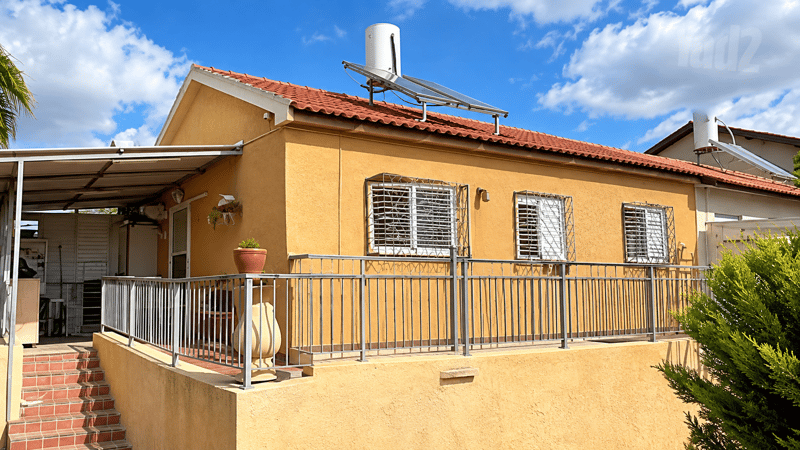
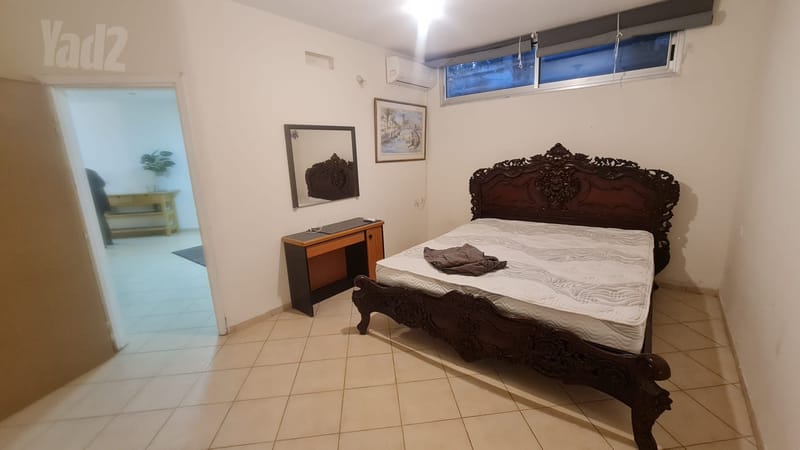
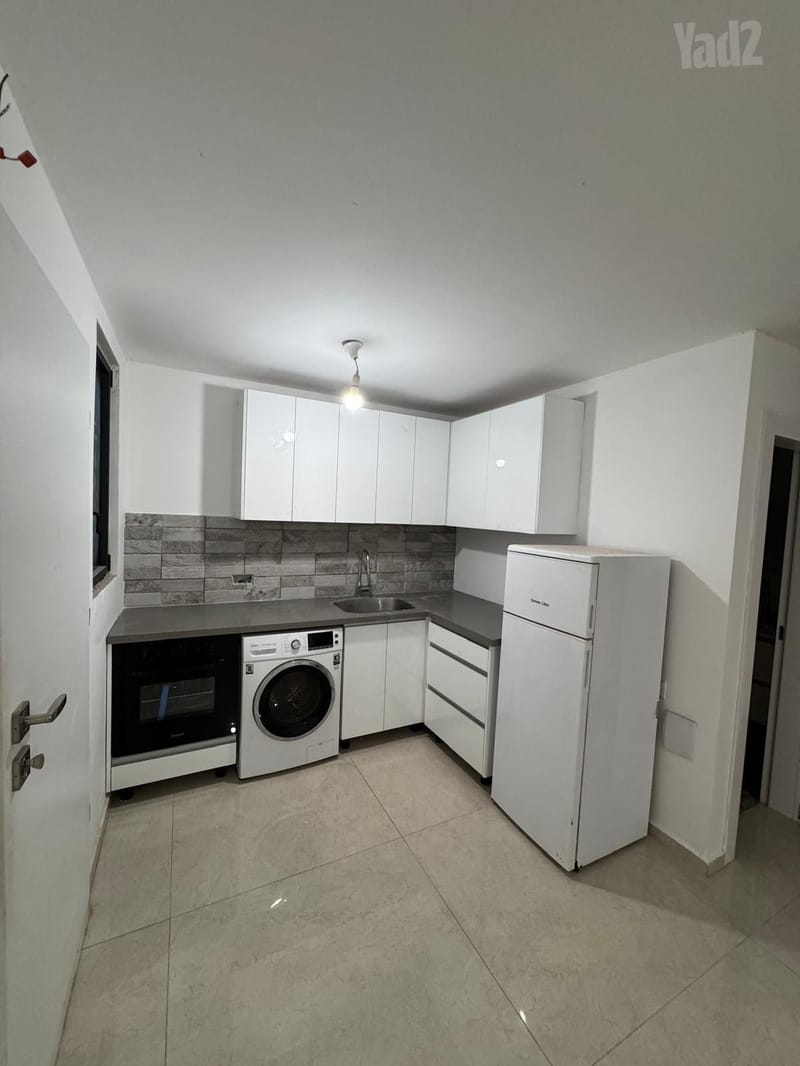
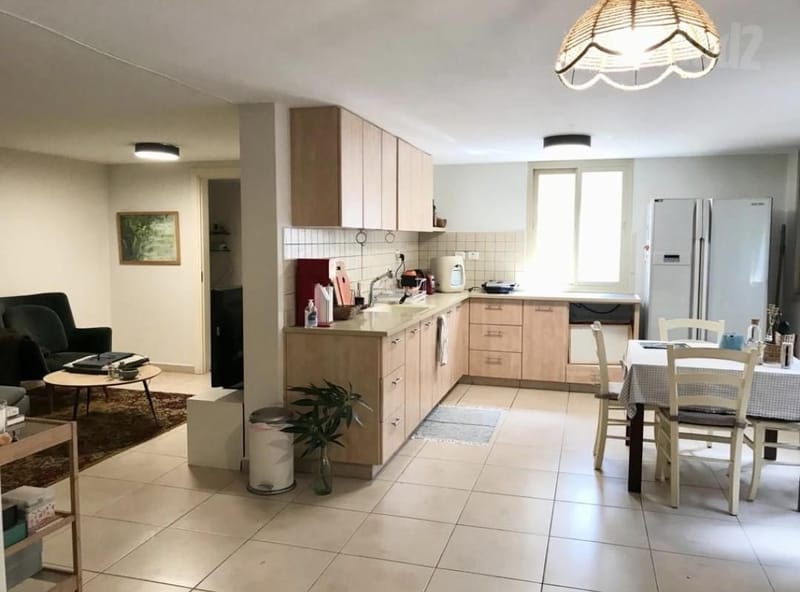
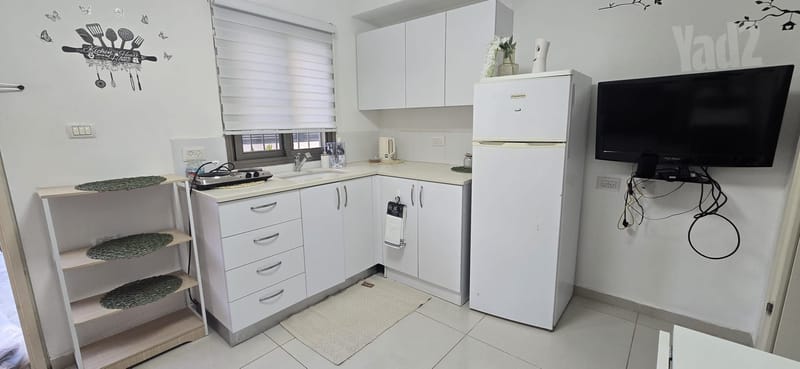
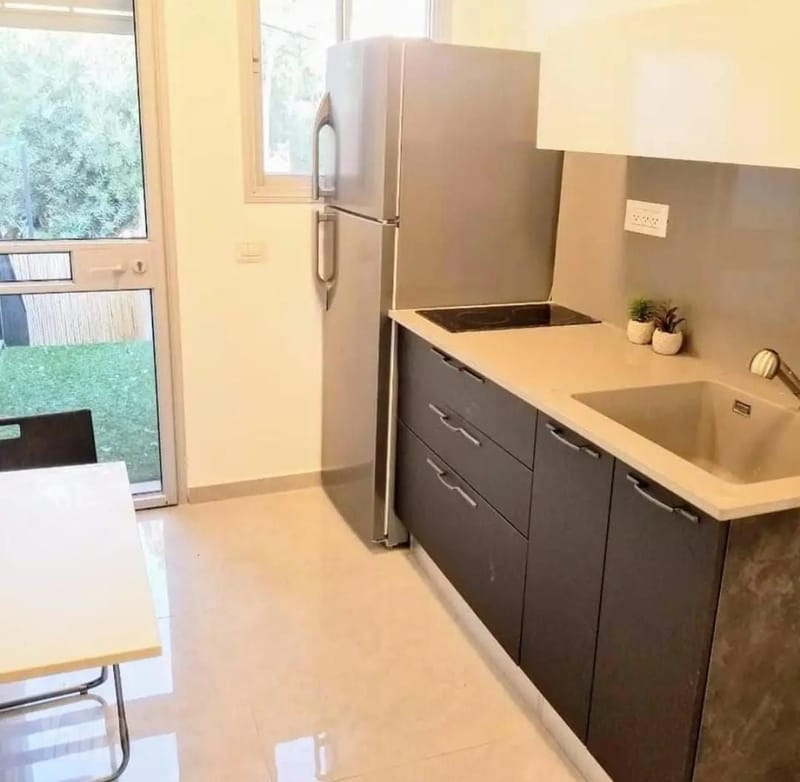
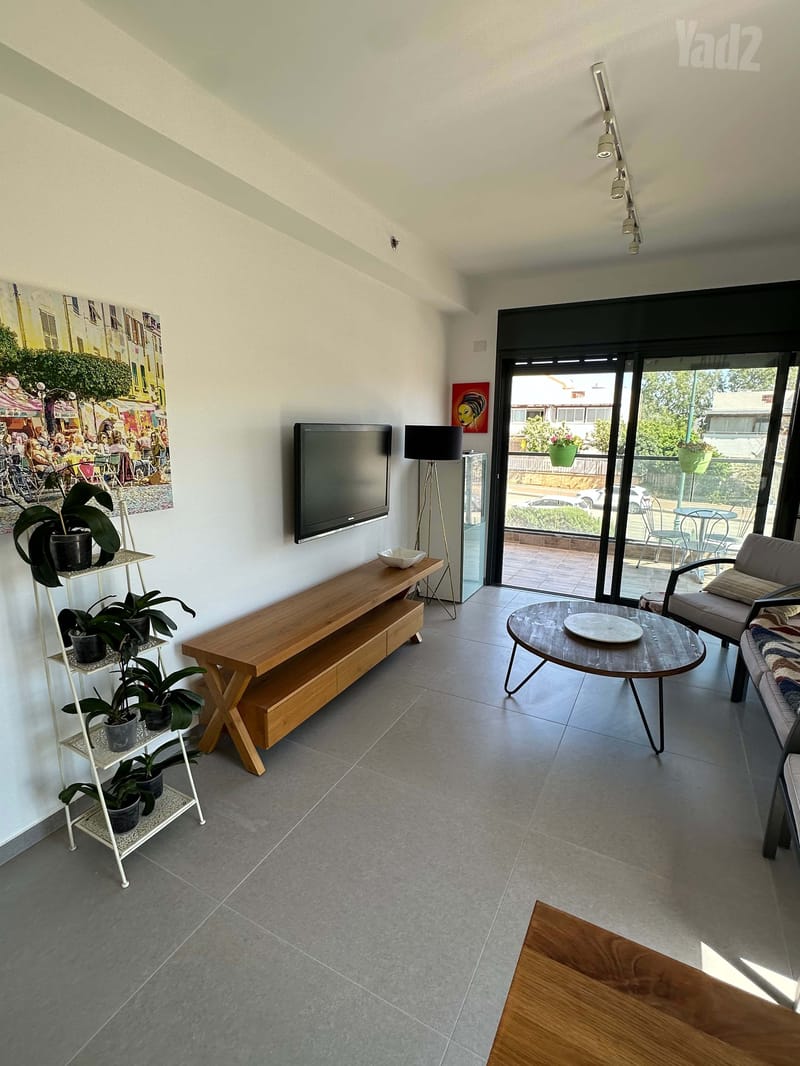
In the rental market, you will quickly discover that the city is divided by construction eras, with most of the supply located in new neighborhoods like Sharona and Yefe Nof. There, thanks to new developments and investor-owned apartments, it is relatively easy to find four- and five-room apartments in high-rises with a MAMAD, balcony, and underground parking, whereas detached houses for rent are a rare commodity that gets snapped up fast. The catch begins if you are a single renter or a couple looking for a two- or three-room apartment: there are almost none in the newer buildings. Your choice will mostly come down to accessory dwelling units attached to private homes in Giv'at Alonim, Bneh Beitkha, and the old moshava, or apartments in older housing blocks (shikunim) around Begin and Herzl streets, without an elevator or MAMAD. On the older streets, Pinui-Binui (urban renewal) plans are being promoted but are still in the planning stages, while on the city's northern and western edges, the construction boom is already active on the ground, bringing trucks and dust along with it.
Route 57 (HaAtzmaut Street) bisects the city from east to west, physically dividing it in two. North of it, you will find the private homes of Giv'at Alonim and the new buildings of Yefe Nof overlooking open spaces; south of it lie the old center and the Sharona neighborhood, which functions almost like a self-contained town with a central park and a neighborhood mall. Because there are almost no employment hubs in the city (an employment zone, a transportation hub, and an ecological park in the west of the town are still in the planning stages), most residents commute in the morning to work in Netanya, Emek Hefer, or central Israel via Route 6. Herein lies the main challenge: the city has no train station, and getting out in the mornings on Route 57 toward the Beit Lid junction or the train stations in Netanya and Beit Yehoshua requires a private car and patience for traffic jams—at least until the northern Route 57 bypass and the grade separation at the Beit Lid junction, both currently being advanced, are completed. For those willing to absorb the time on the road and give up an urban pulse, Kfar Yona gives back a warm community, nearby nature at the Ilanot Forest and Alexander Stream, and real breathing room.

 Try Dorit for Free