If you think all the Krayot are just a flat stretch of identical boulevards, Kiryat Ata breaks that mold at the very first turn. The largest of the Krayot cities effectively leads a double life: down below, you'll meet an established, bustling city with street-front shops and bakeries around HaAtzmaut Street, alongside big-box shopping centers and IKEA at the western entrance. The moment you climb east into the hills, the scenery shifts to new neighborhoods bordering natural woodland and kibbutz fields, feeling like a green family suburb. In the older areas, the presence of traditional and religious communities is felt in daily life, with Torah educational institutions and a quiet Shabbat when commerce rests, while up on the hills the routine revolves around parks and kindergartens. Don't count on nightlife here—for a night out, people still drive to Kiryat Haim or Haifa.
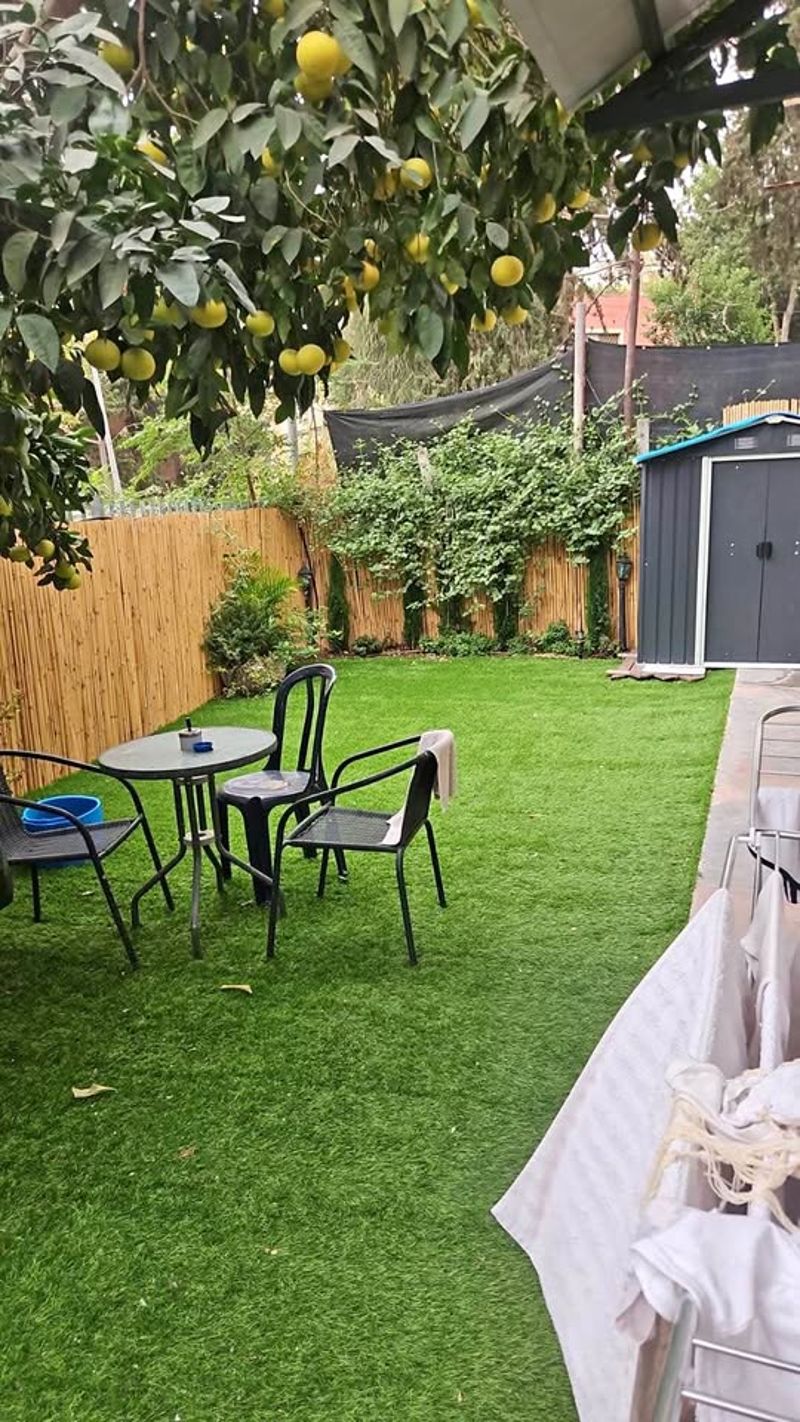
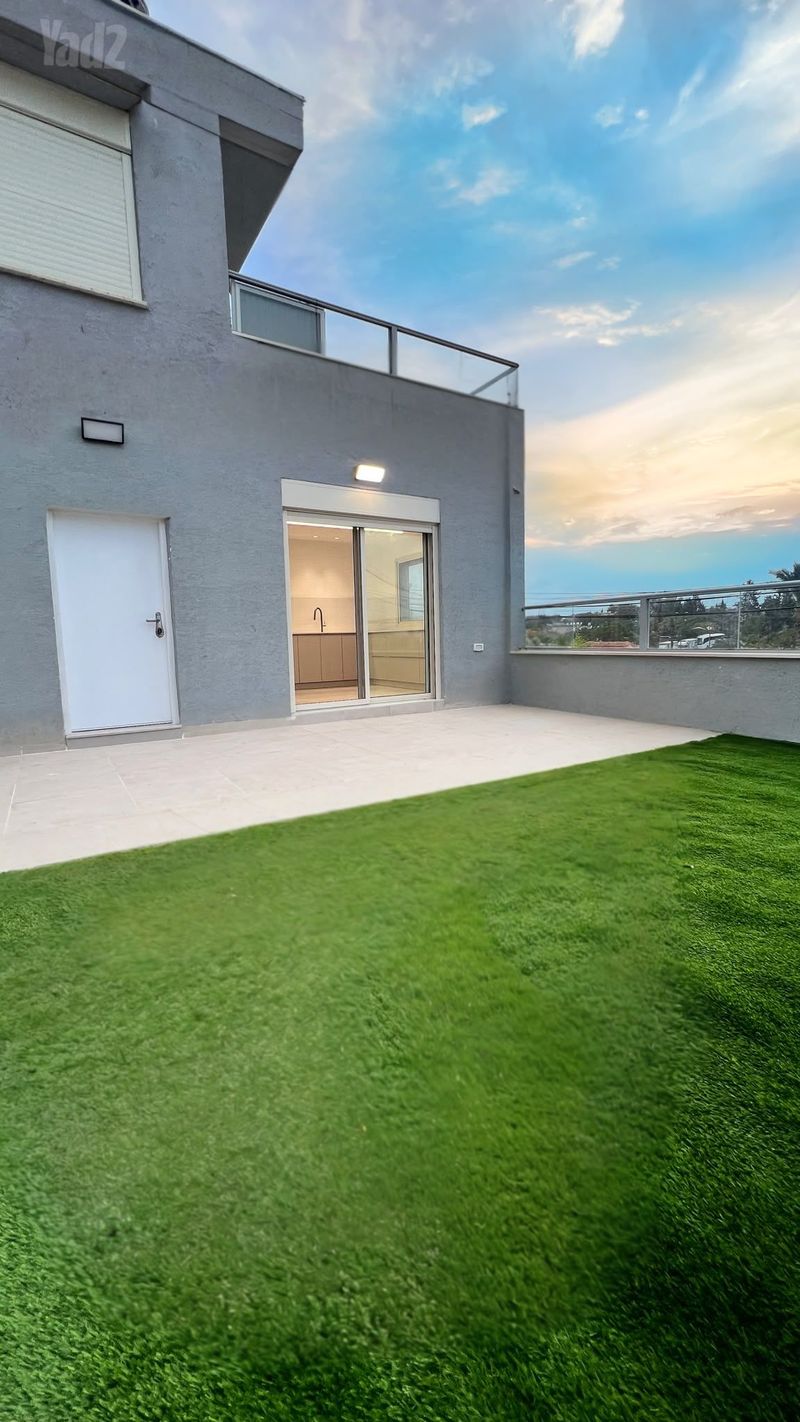
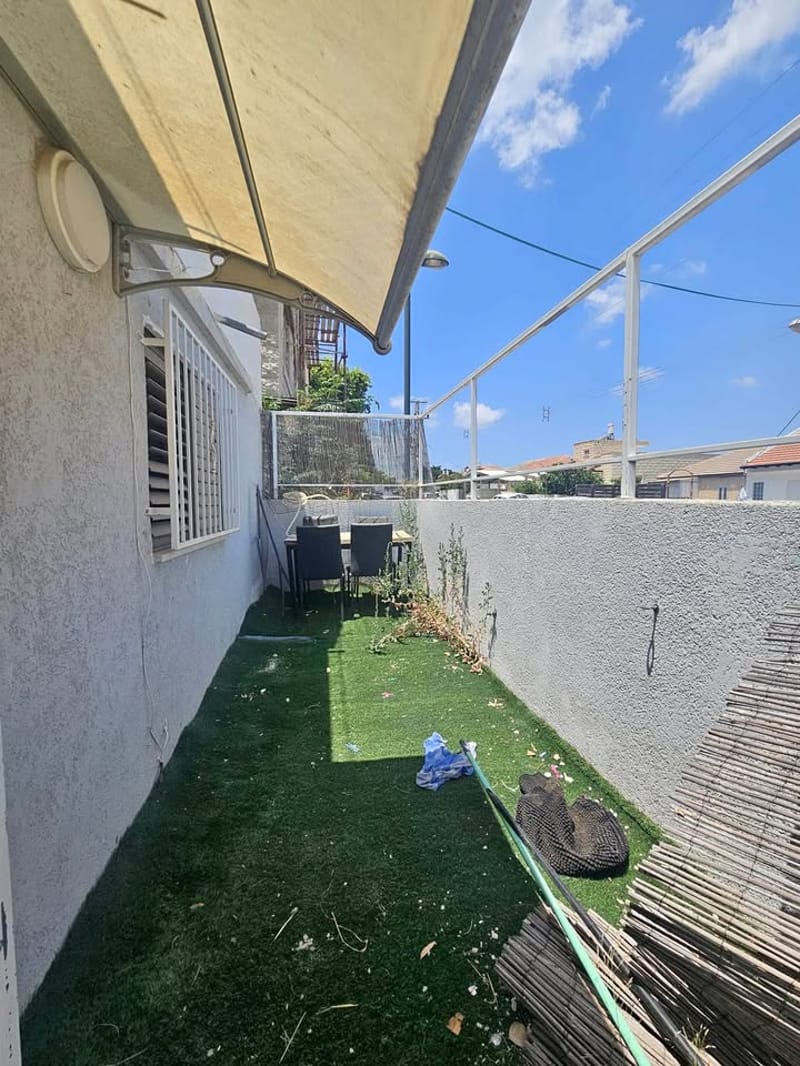
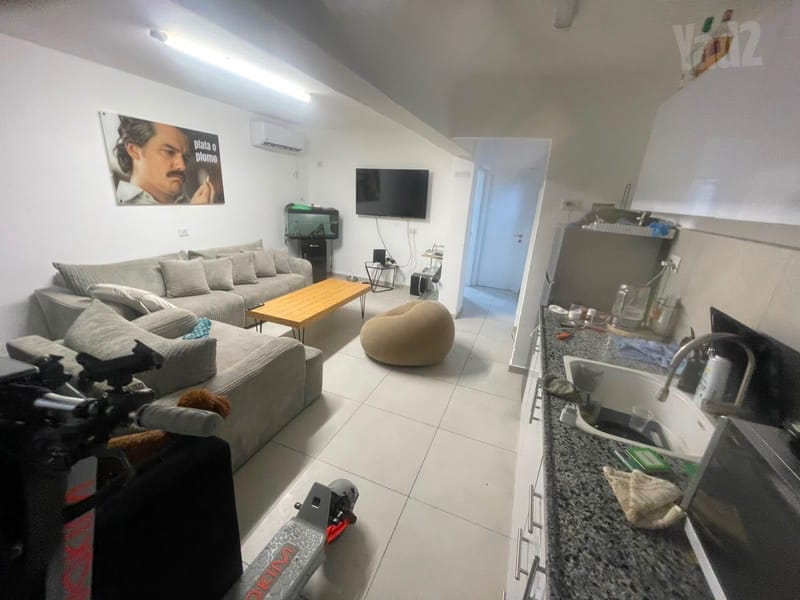
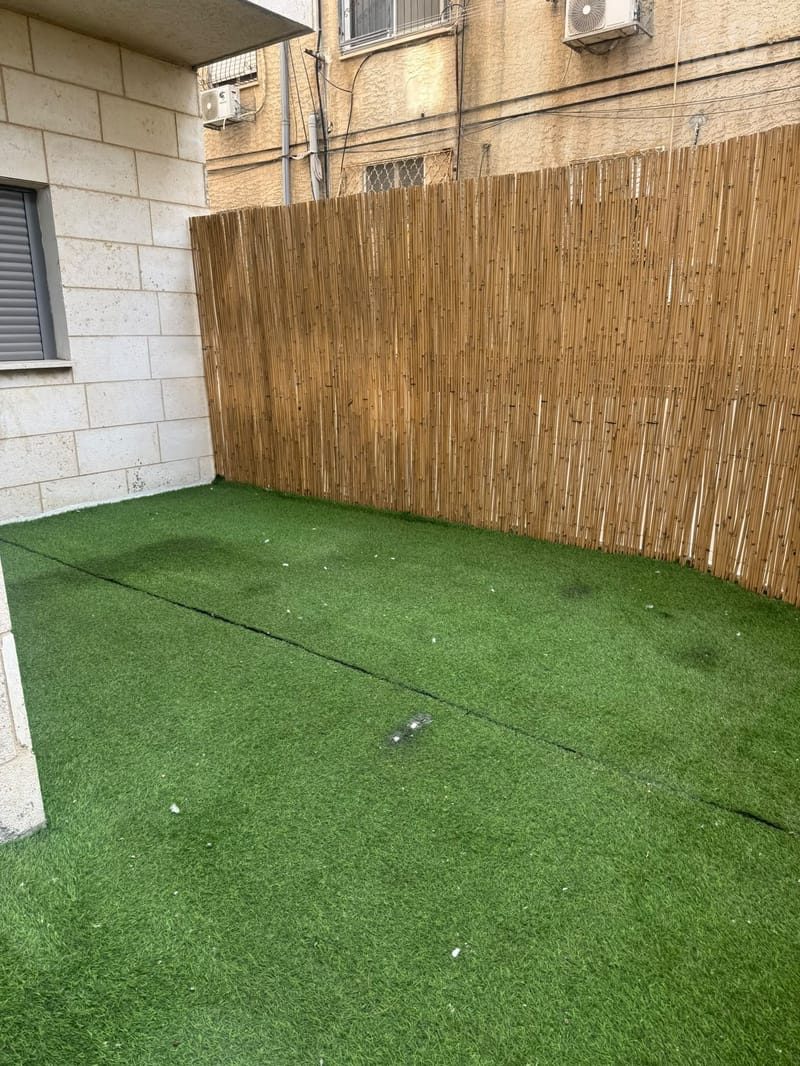
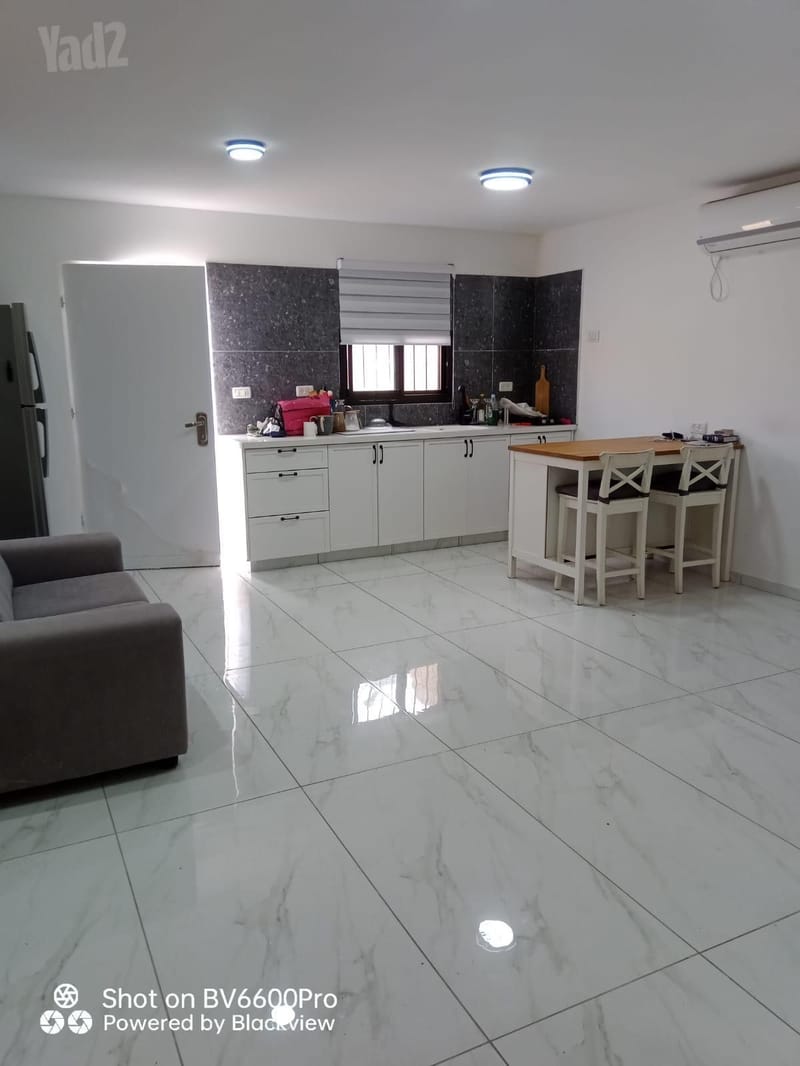
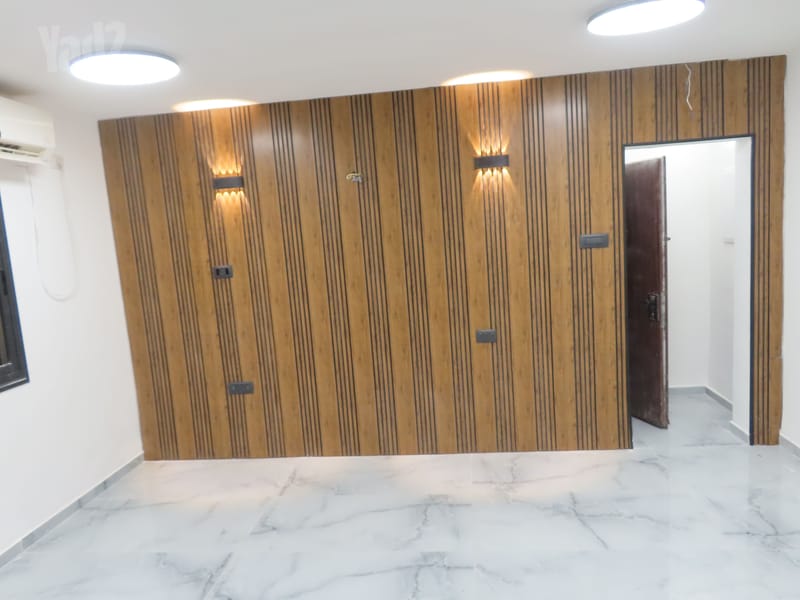
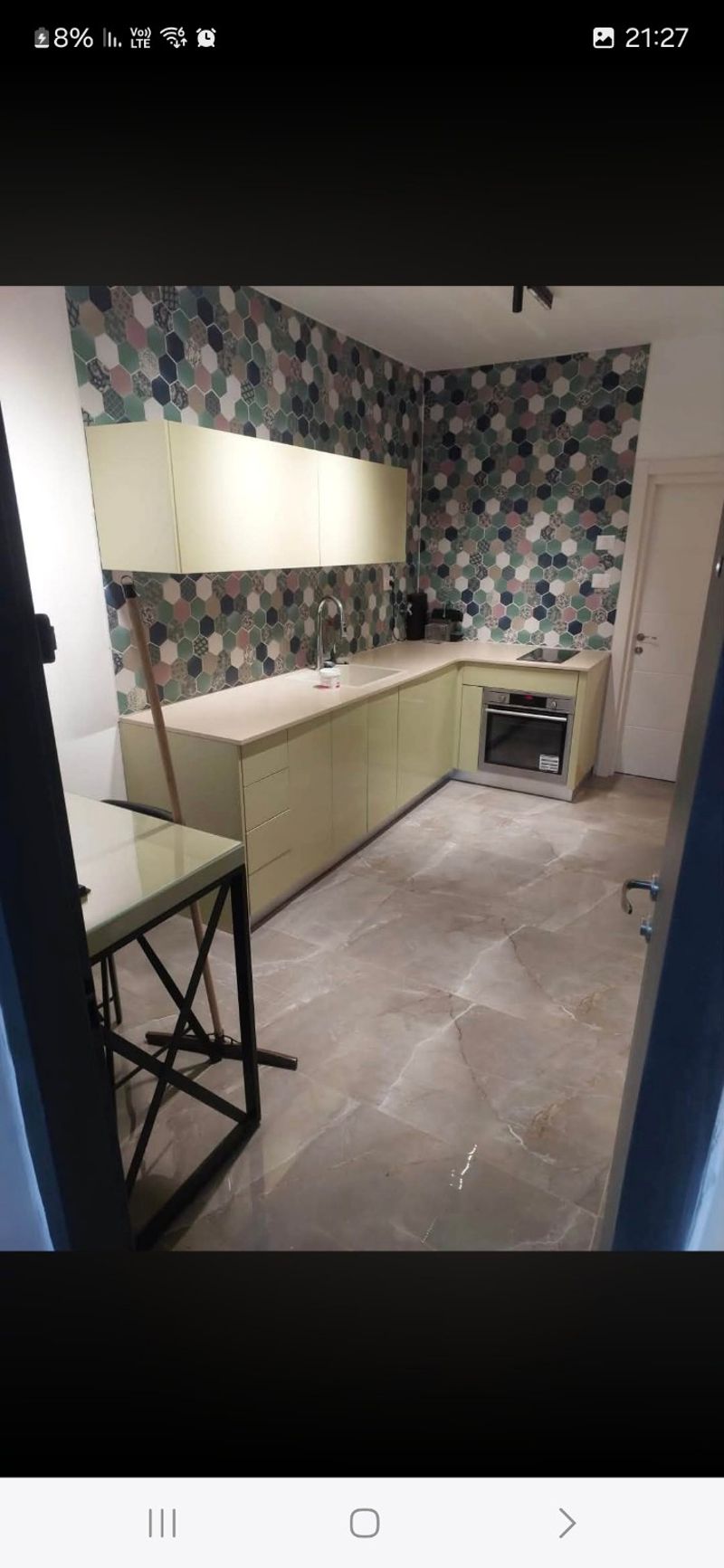
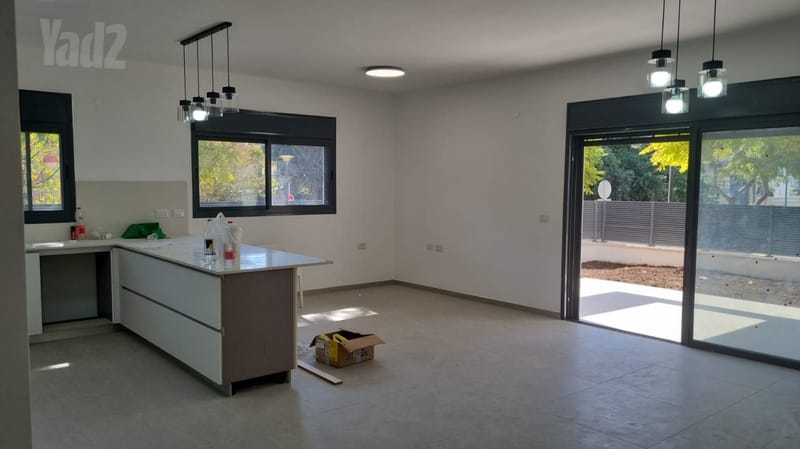
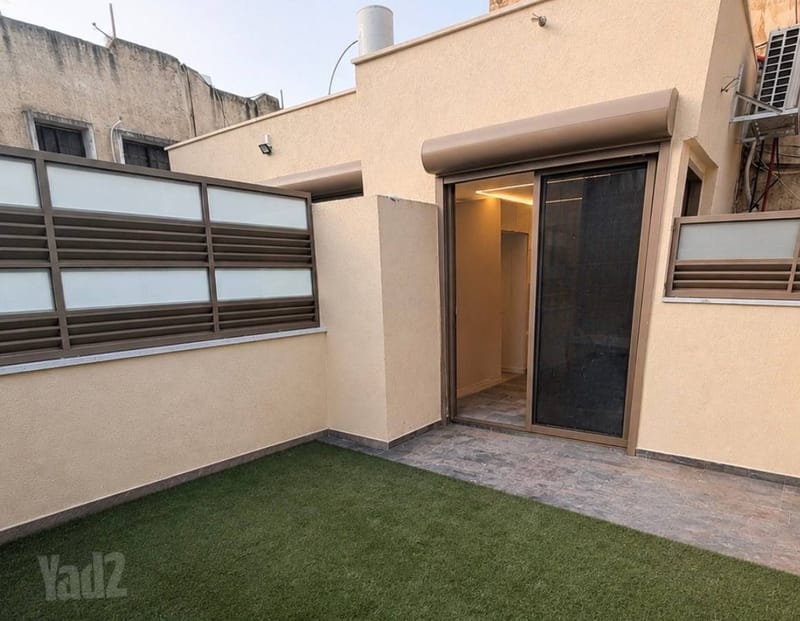
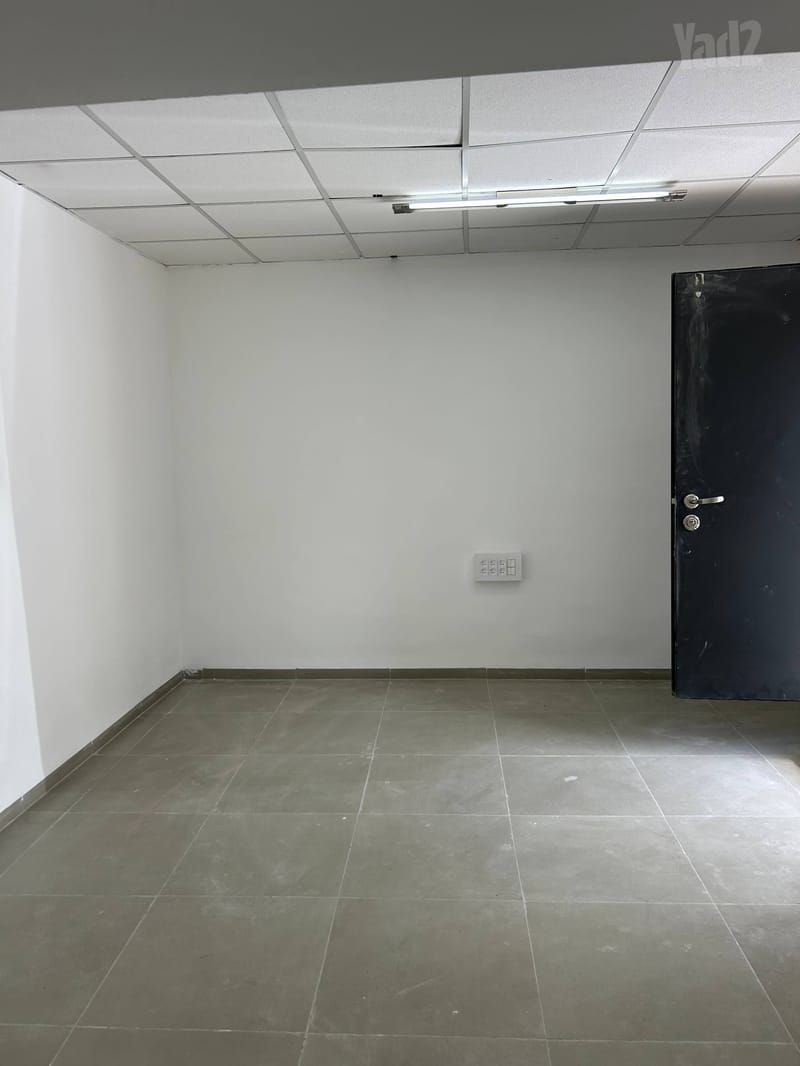
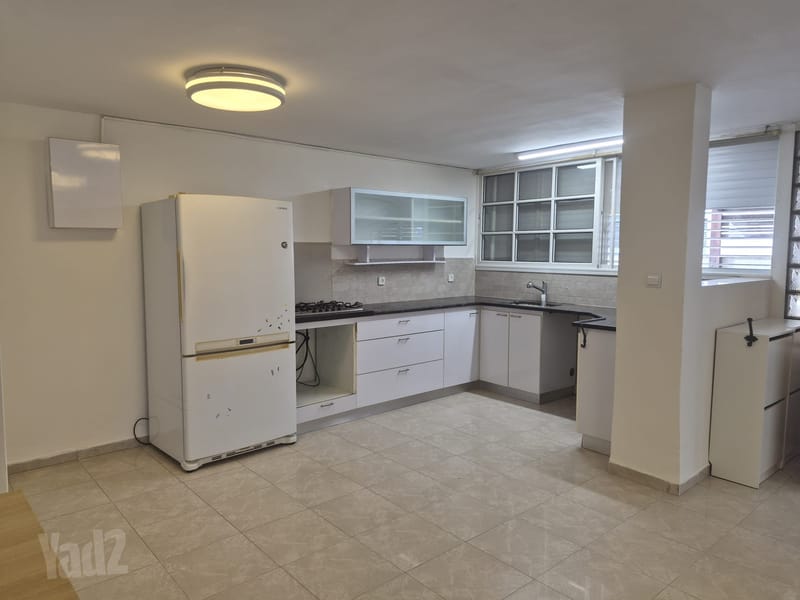
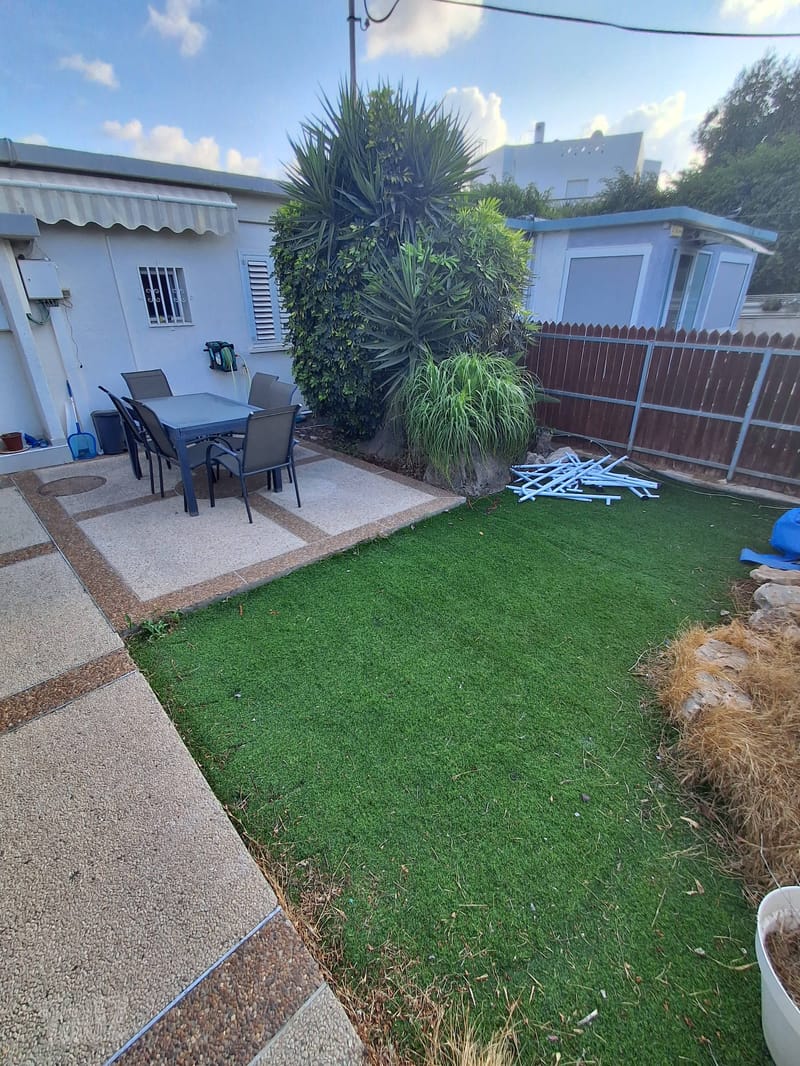
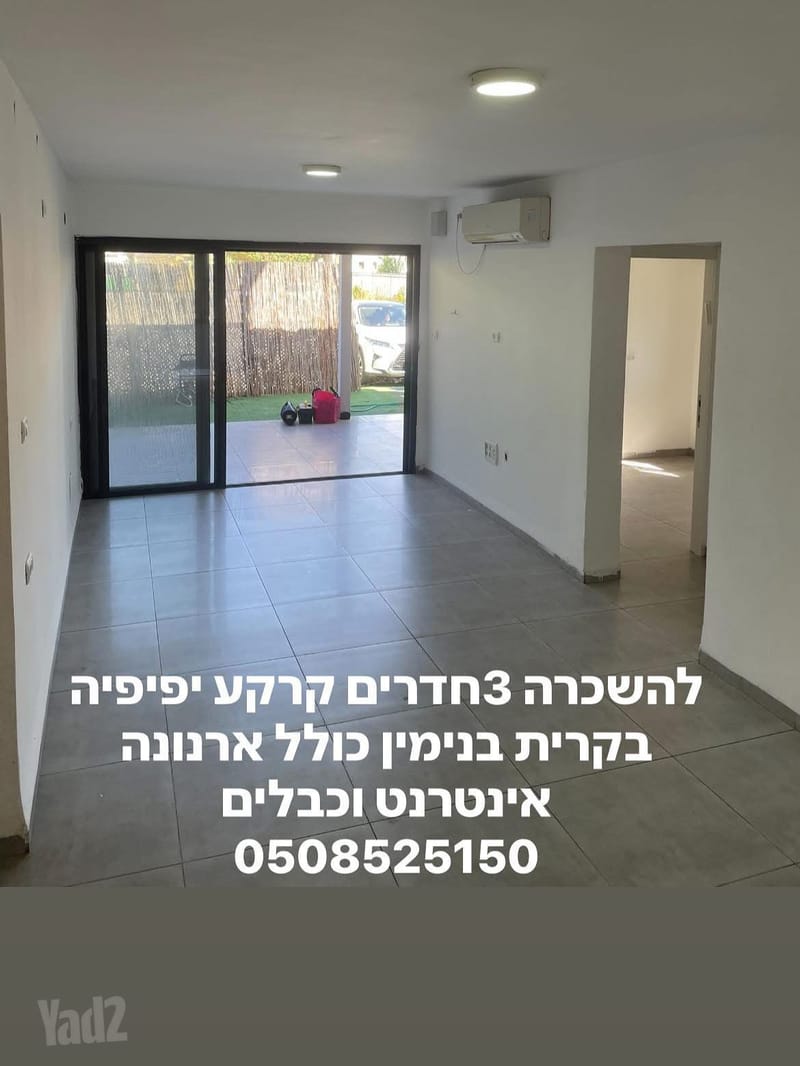
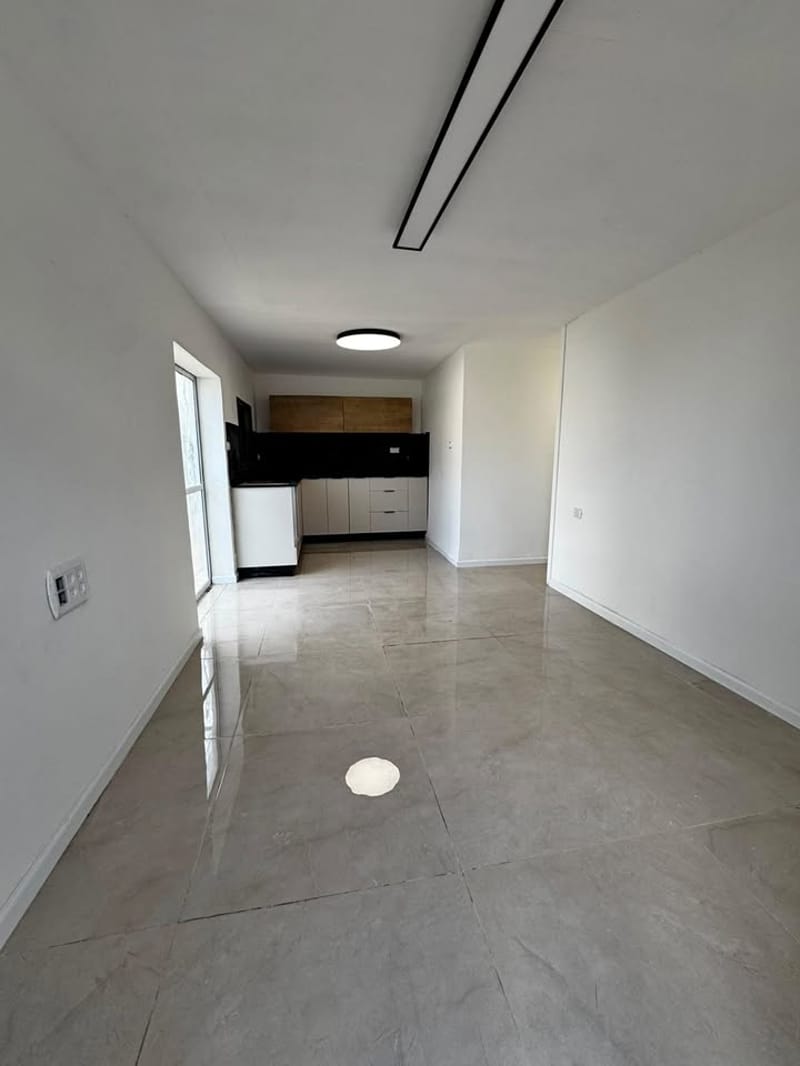
The city's rental market is divided right along its topographic elevation. Around Kiryat Ata City Center and in older neighborhoods like Abramski, you'll mainly find apartments in low-rise public housing blocks (shikunim)—mostly without an elevator, MAMAD, or parking—alongside TAMA 38 and urban renewal buildings that add new apartments to the old fabric. In the west, in quiet low-rise neighborhoods like Kiryat Binyamin, there is an active market of accessory dwelling units (yechidot diur) attached to private homes, suited for singles and couples. Conversely, in hillside neighborhoods such as Givat Alonim, there is a wide supply of four- and five-room investor-owned apartments in modern buildings with a balcony, MAMAD, and parking. For those looking for a brand-new apartment straight out of the box, the Avokado neighborhood, currently being built and populated in the south, offers modern specs, though the trade-off is living alongside cranes and developing infrastructure.
Getting around day-to-day also depends on where you've settled: in the lower city you can manage on foot and with the existing Metronit Line 2, which connects to HaMifratz Central Station and Haifa (as well as the heavy rail stations in Kiryat Motzkin and Hutzot HaMifratz, since the city itself has no train station). In the hillside neighborhoods a private car is almost mandatory, and driving down from them in the morning creates traffic jams that require patience, although the existing connection to Route 22 to the west and Route 6 to the east via the Somekh Interchange makes things much easier for commuters. At the same time, construction is underway on the "Nofit" light rail and the new medical center in the city's northeast, alongside which an academic campus and a biotech park are planned, as well as an extension of the Metronit to the new neighborhoods. The city is tailor-made for couples and families who want a spacious apartment near the forest and national highways, and are willing to give up walking to a café and a smooth morning exit from the neighborhood.

 Try Dorit for Free