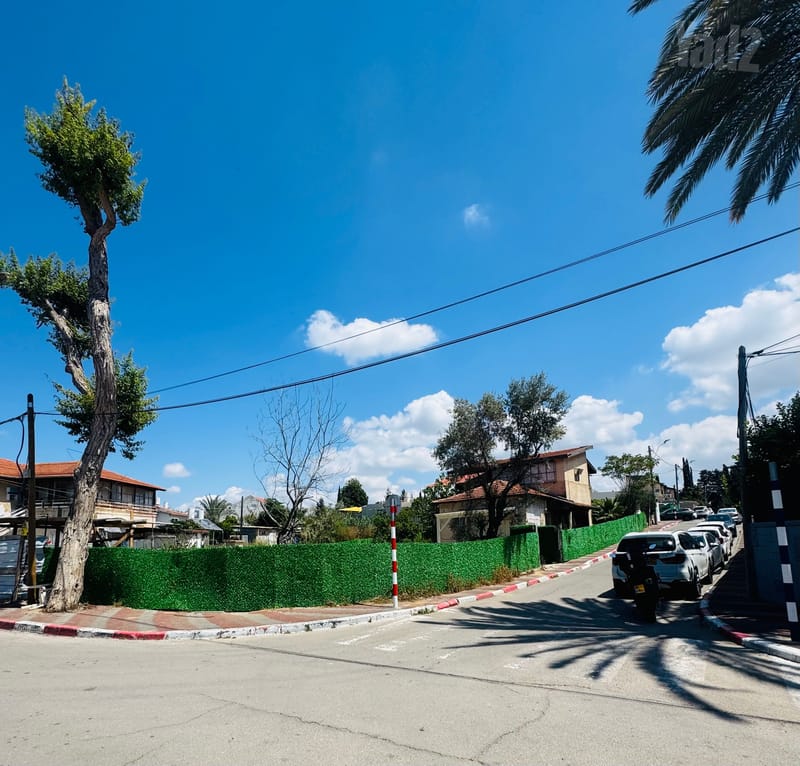
Most Israelis only know Kiryat Ekron through their car window while stuck in Saturday traffic heading to Bilu Center, or as the spot right across the road from Kaplan Medical Center. But turn inward from the busy junction and you will find a quiet, warm, human-scale town that feels more like a veteran moshava than a city. Because of its proximity to the Tel Nof Airbase, strict height limits have prevented high-rise towers, resulting in a low-rise fabric of private houses, gardens, and neighbors who actually know each other. The vibe is relaxed and mixed-traditional: the inner streets have plenty of synagogues and a peaceful Shabbat quiet, while at the northern edge the Bilu complex and its supermarkets run at full steam. For bars or cafes, you just hop five minutes over to Rehovot—a combination that hits the bullseye for Kaplan staff, career soldiers from Tel Nof, Rehovot students, and young couples staying close to their parents.
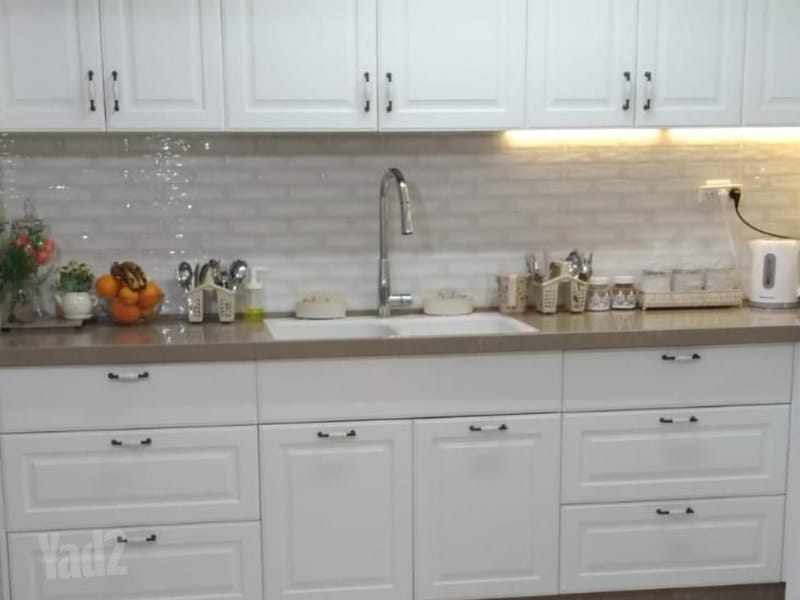
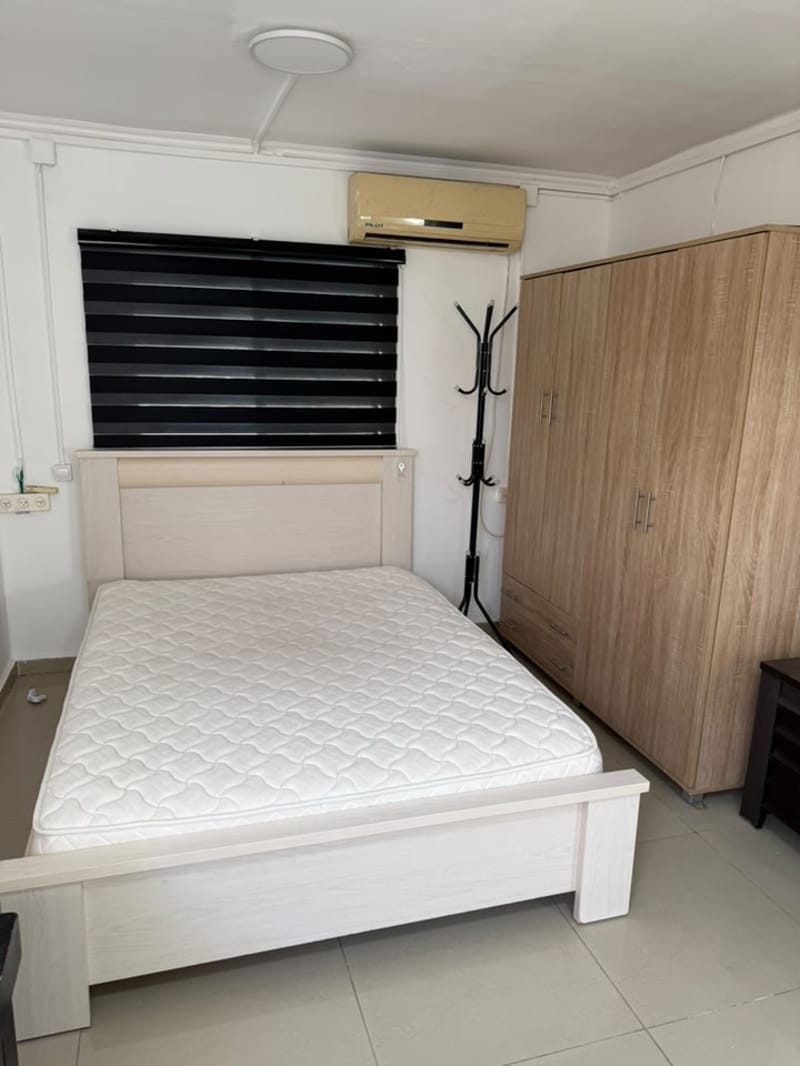
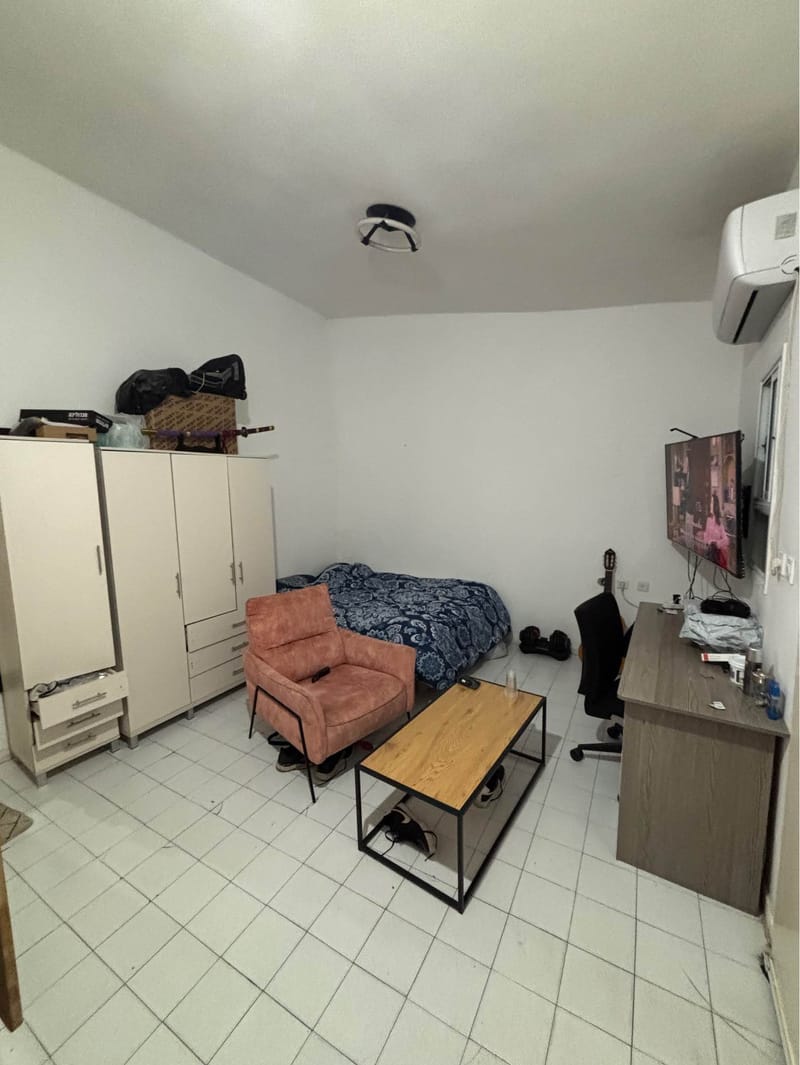
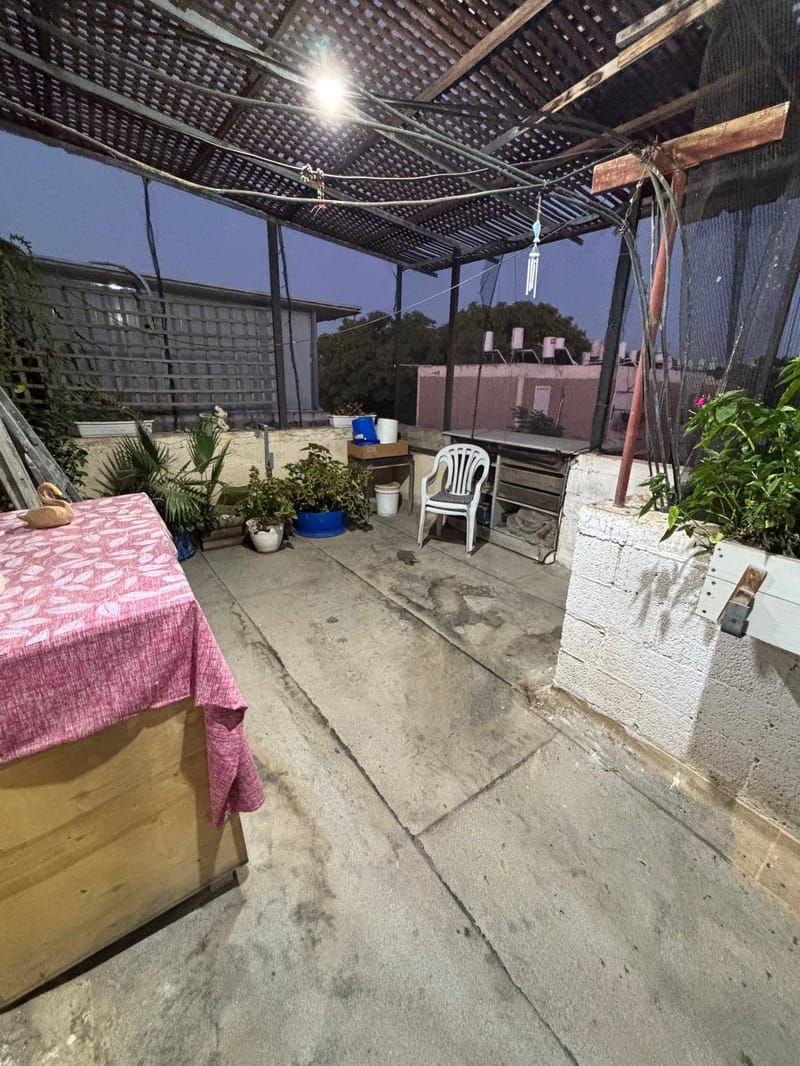
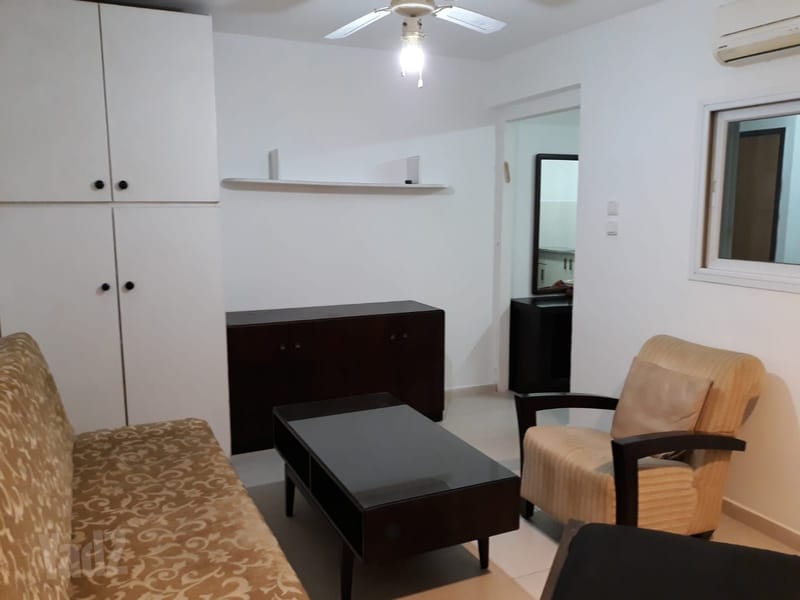
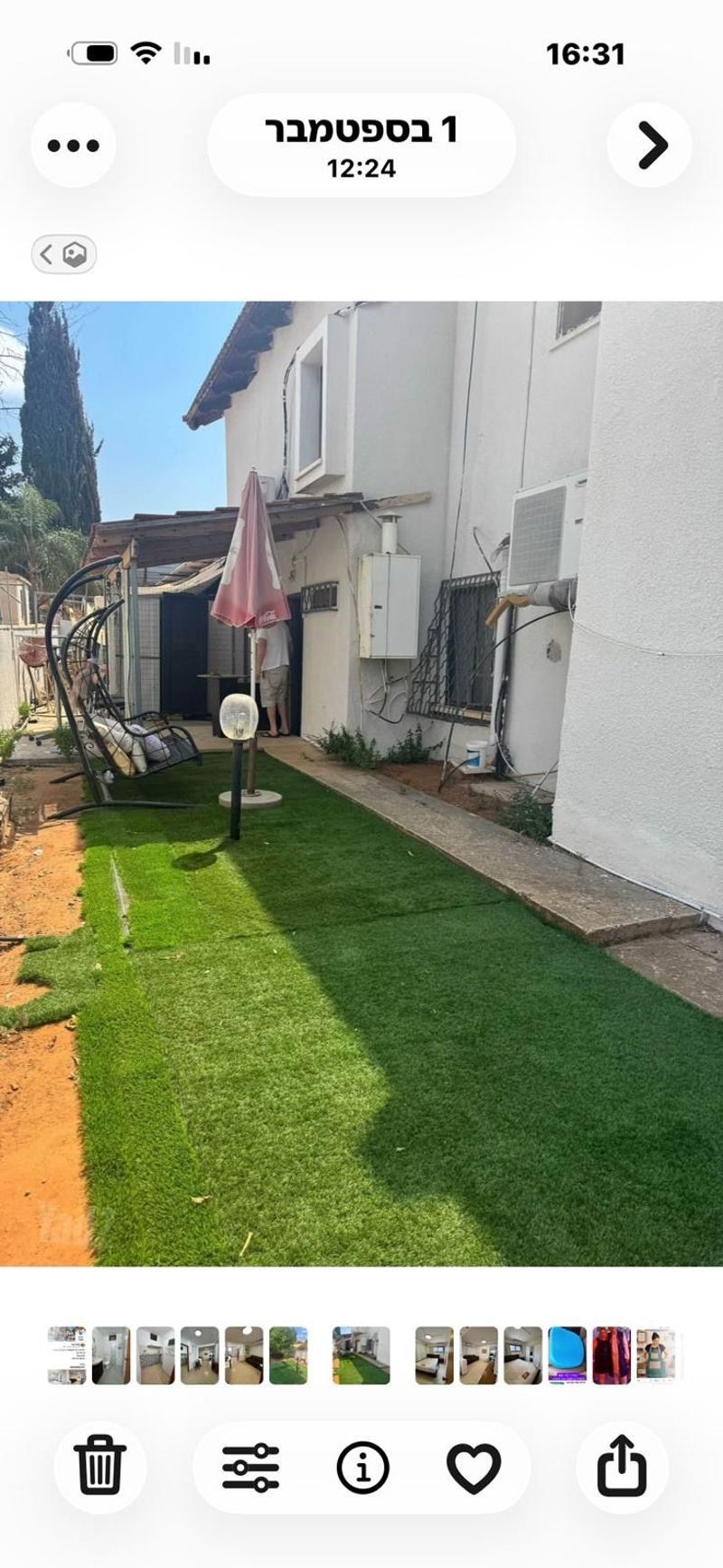
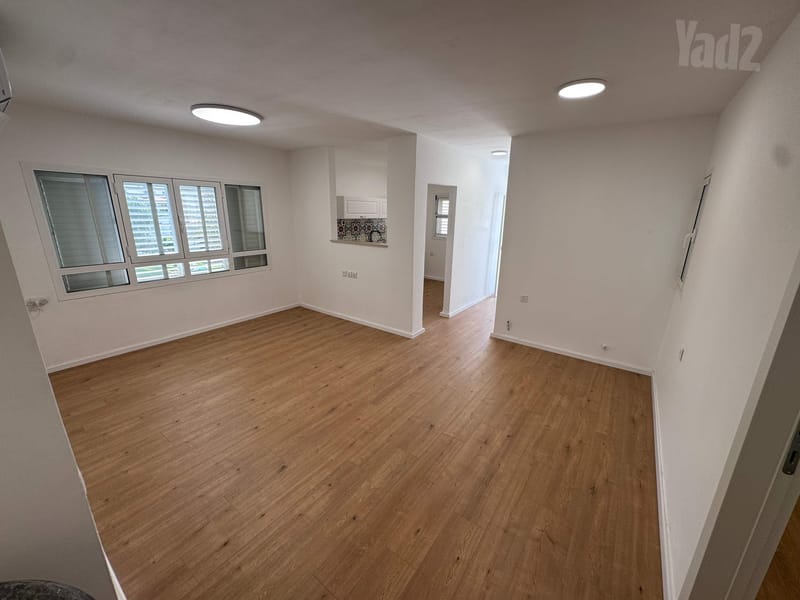
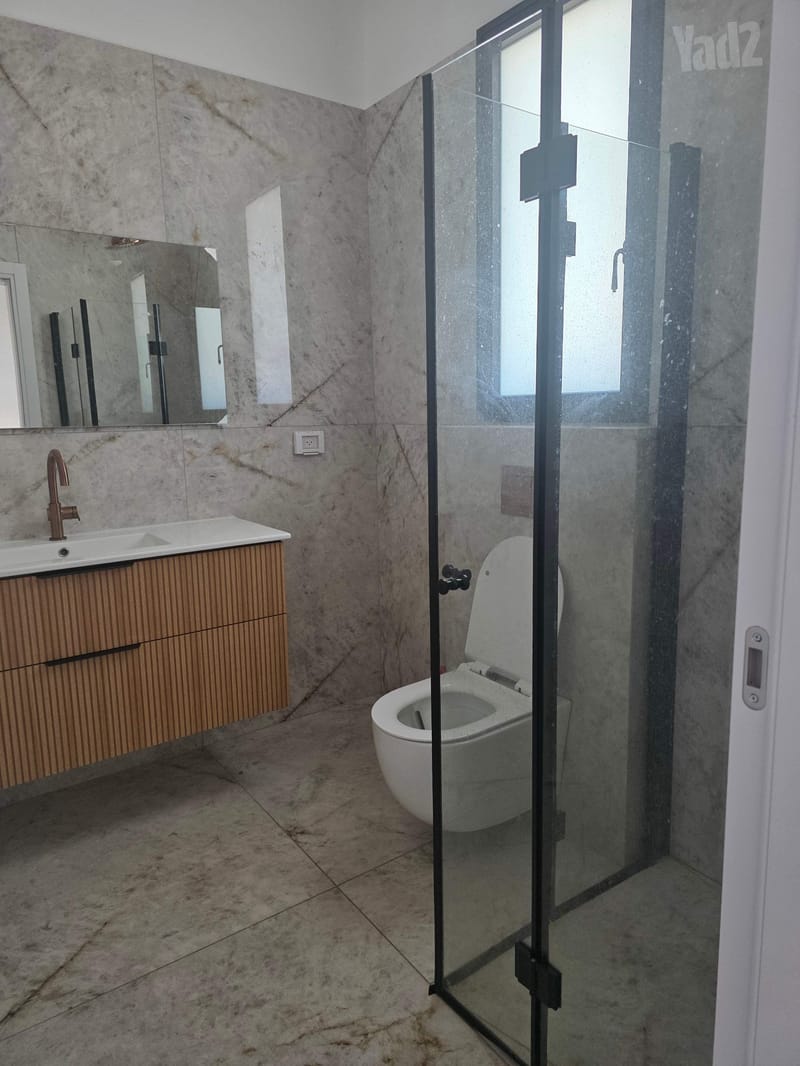
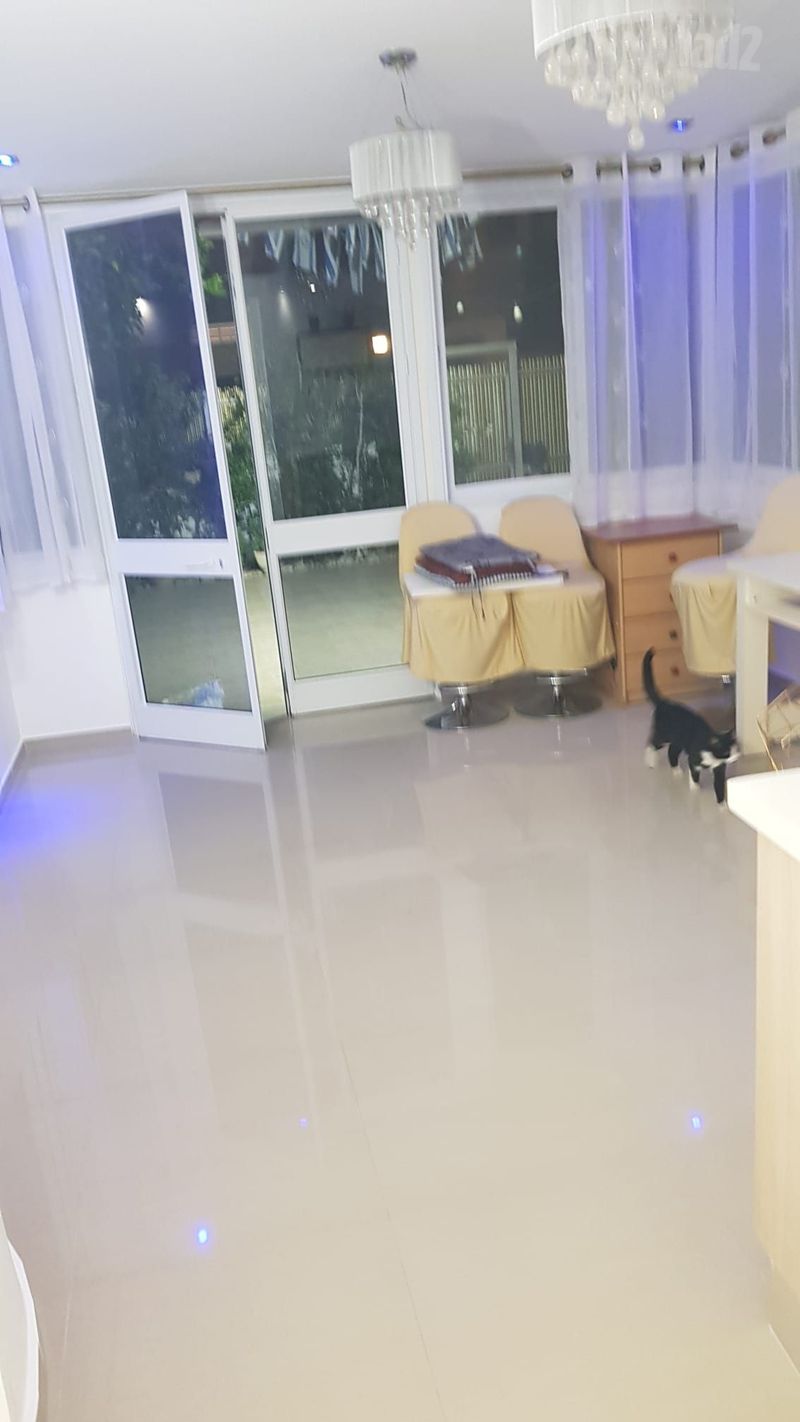
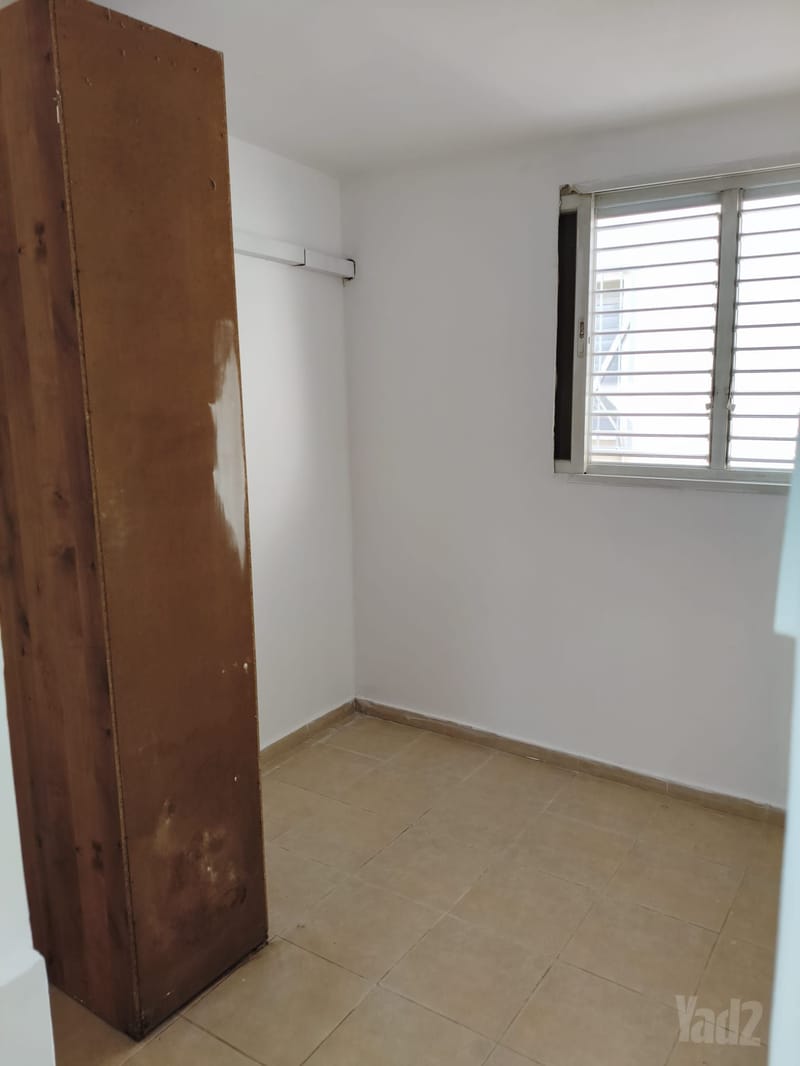
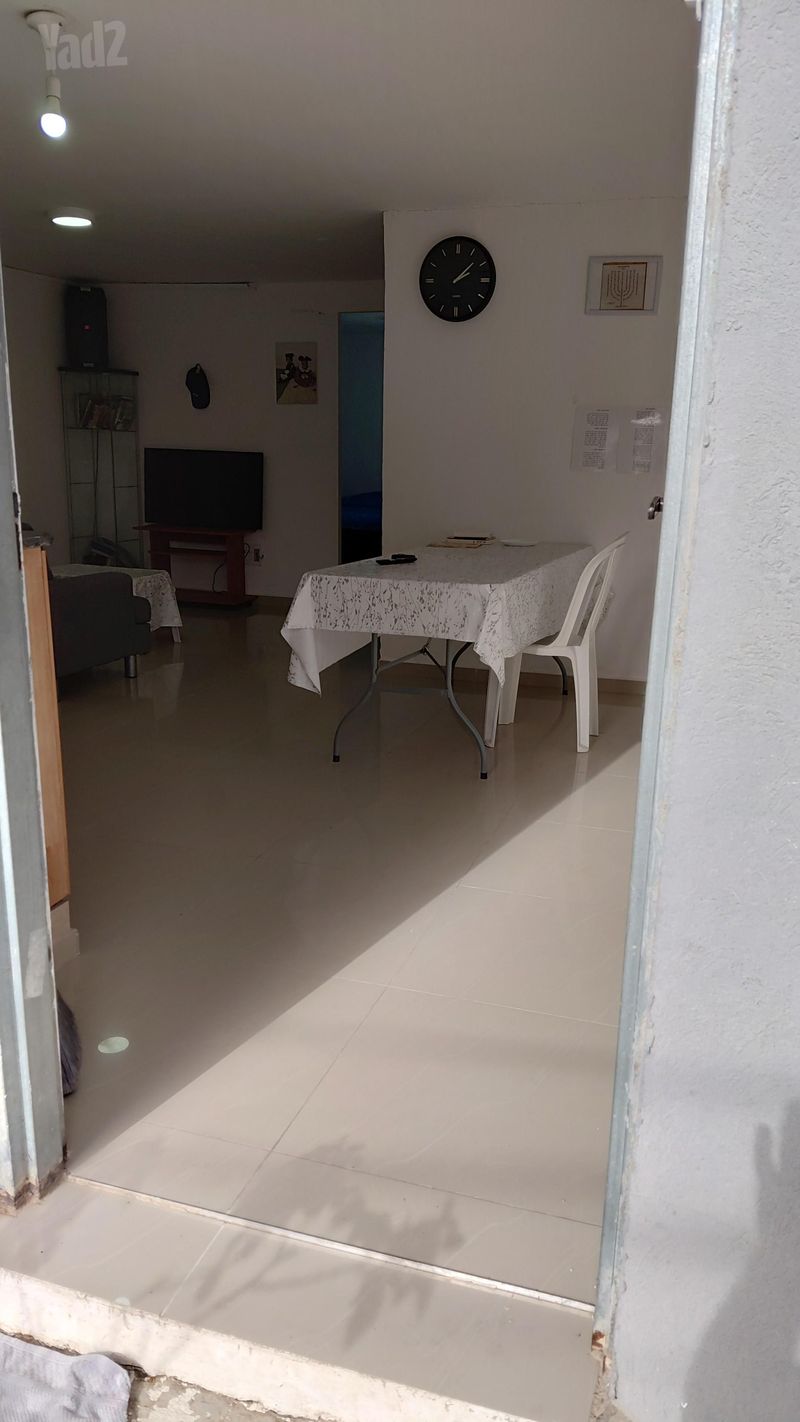
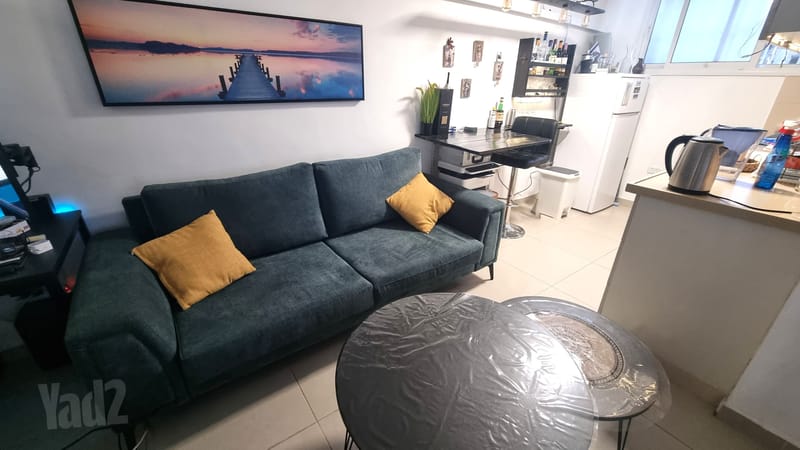
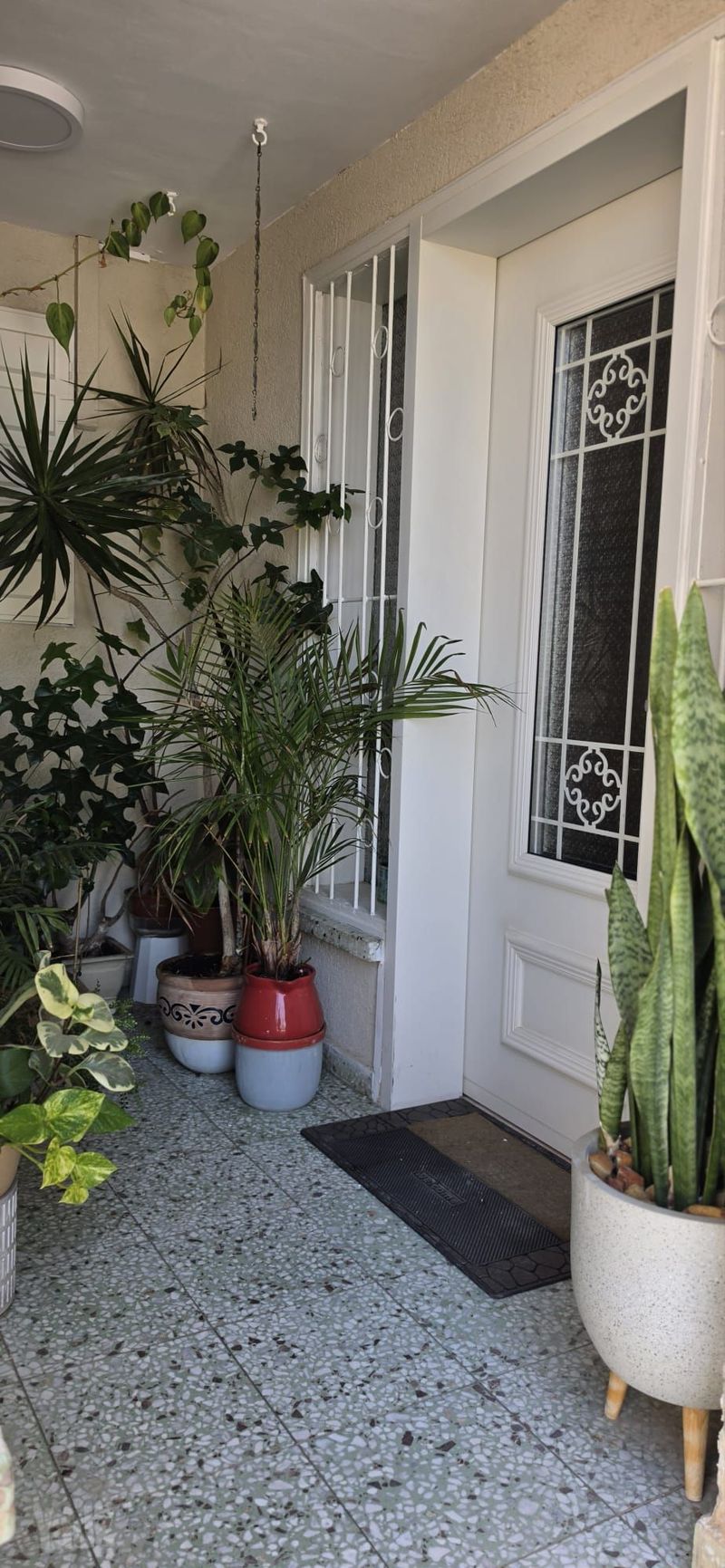
The rental market stems from this low-rise character and splits into three tracks. The first, which appeals to singles and couples, is a wide supply of accessory housing units (yehidot diur) in the yards and basements of detached homes; some are brand new, though it is important to check how much natural light gets in and where you will park on the narrow streets. The second track consists of three- to four-room apartments in older tenement blocks (shikunim) in the center, offering comfortable space but usually no elevator, parking, or MAMAD. The third track features low-rise buildings from the '90s and 2000s, like in Ganei Hen, with family apartments that include a MAMAD, balcony, and parking, and get snapped up fast. To the east, the future Rova Sadot neighborhood is currently under development, and urban renewal (Pinui-Binui) plans are being advanced in the center, though neither has been populated yet. One trade-off to know upfront: fighter jets from Tel Nof are a permanent part of the local soundtrack, day and night, and in older apartments without insulated windows, you will definitely feel it.
The town's internal layout is straightforward: the old center around Herzl Street lets you walk down to bakeries, health clinics, and buses at the expense of aging infrastructure and tight parking, while Neve Eshkol and the Dutch-style woonerf streets in the south offer a pastoral atmosphere of quiet villas. For drivers, Routes 40 and 411 provide quick access to Highways 6 and 431, and for the train you can take a short drive to the Mazkeret Batya station, which is much more convenient than fighting the traffic to the Rehovot station. Alongside the buses on Herzl and at Bilu Junction, the Blue Line BRT is currently being built to connect the town via a dedicated lane to Rehovot, Ness Ziona, and Gush Dan (with a Metro station planned near Kaplan in the distant future). The catch shows up on weekends and holidays, when Bilu Center shoppers clog the entrances to town. Ultimately, Kiryat Ekron suits those looking for a warm community and immediate proximity to Rehovot and Kaplan, and who are willing to live with jet noise, Saturday junction traffic, and hopping over to the neighboring city for a night out.

 Try Dorit for Free