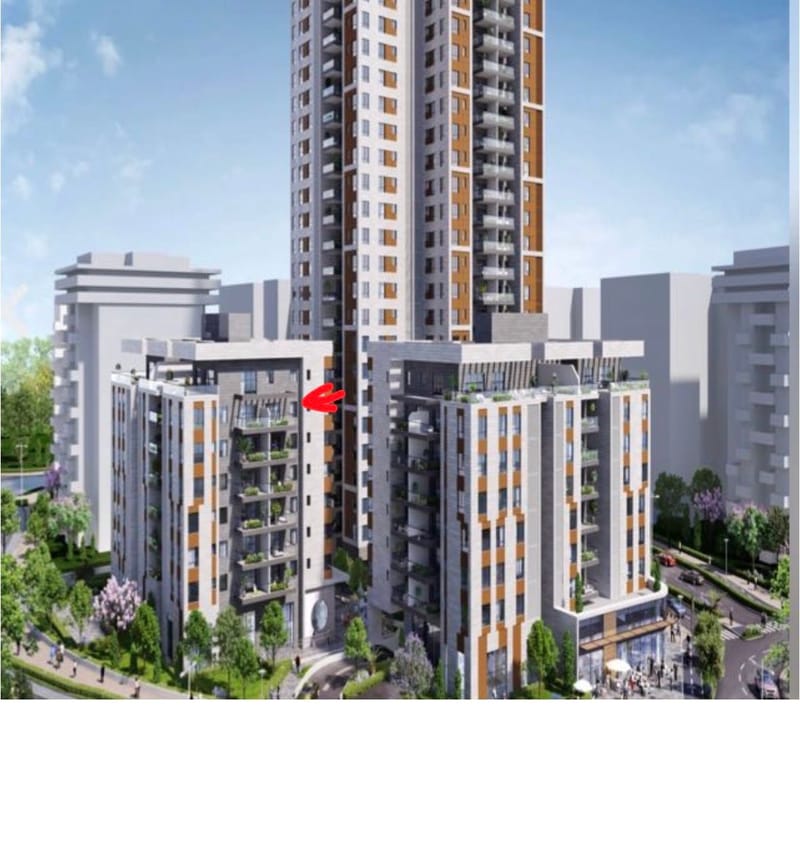
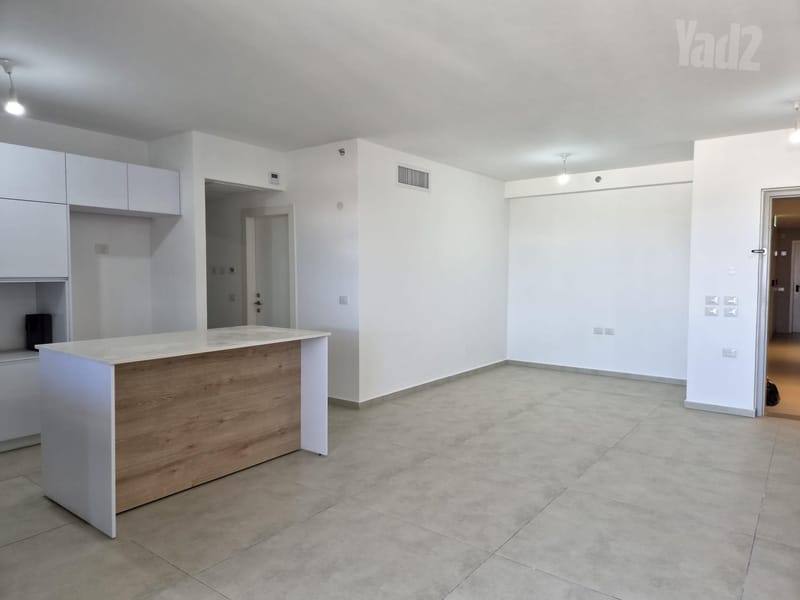
Lod lives in two different eras at once: on one hand, high-rise neighborhoods fresh out of the wrapper, and on the other, a historic heart with a colorful open-air market on Tuesdays and Fridays alongside older public housing blocks (shikunim). For renters, it is one of the most practical choices in central Israel—a city sitting at the crossroads of the country's main rail lines and highways, minutes from Ben Gurion Airport and Airport City, letting you live in a spacious apartment without paying core Gush Dan prices. Everyday life here is family- and community-oriented. This isn't a city of bars or late-night cafes (for an evening out, people hop over to Rishon LeZion, Modi'in, or Tel Aviv), but it has active community centers (matnasim) and the Ben Shemen Forest right across the road for a Saturday morning bike ride. It suits couples and families looking for community, excellent accessibility, and modern housing specs.
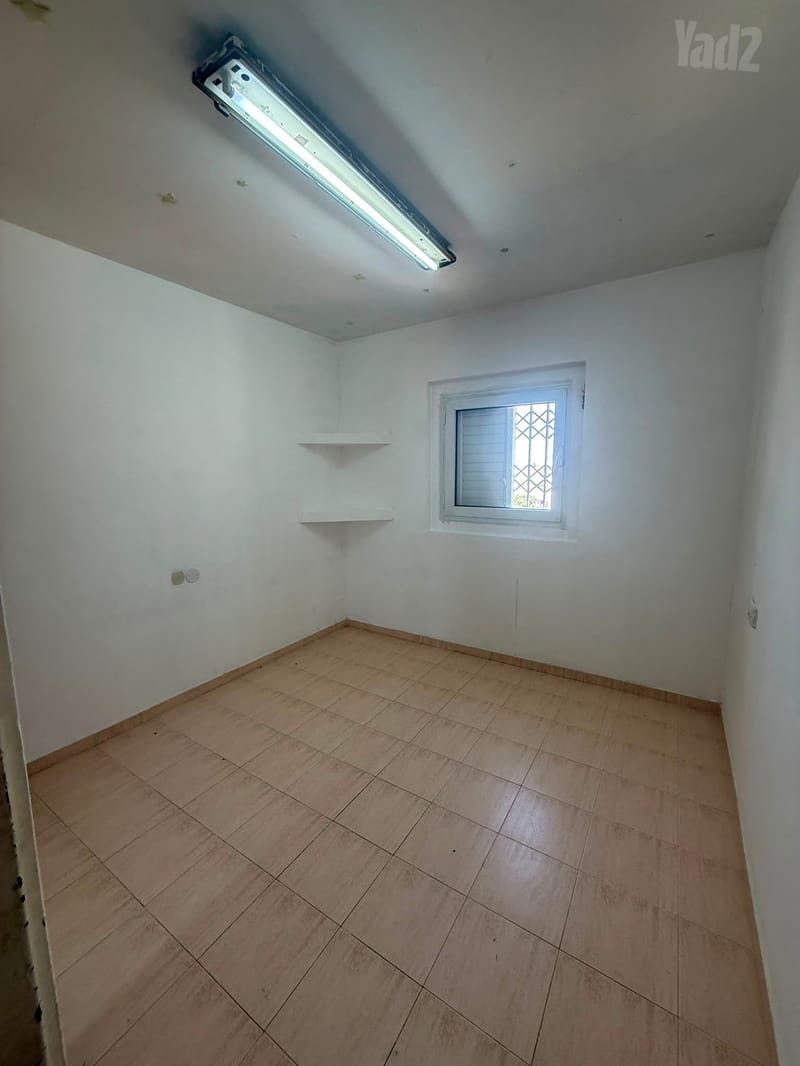
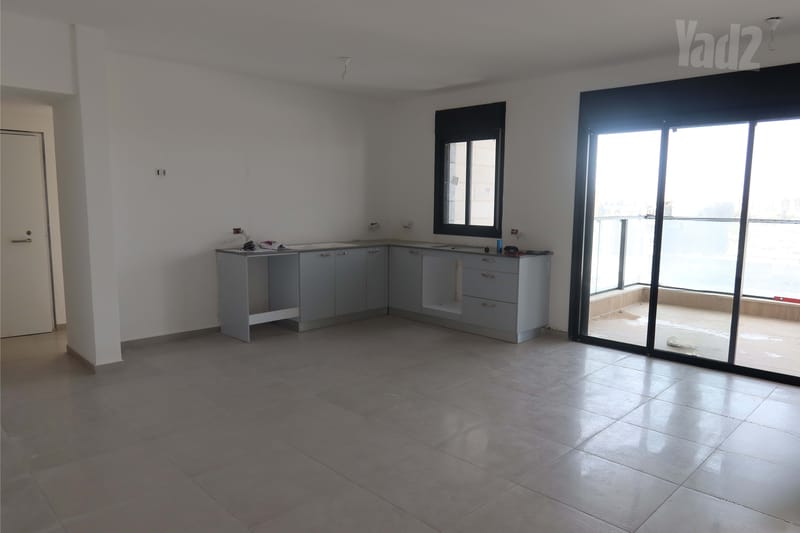
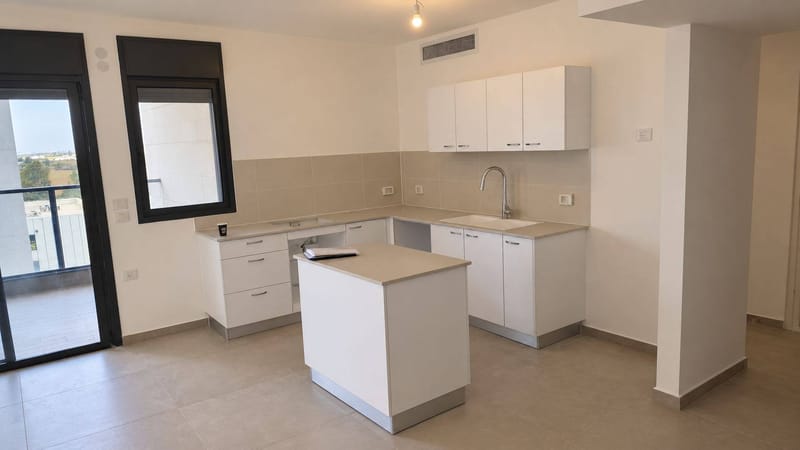
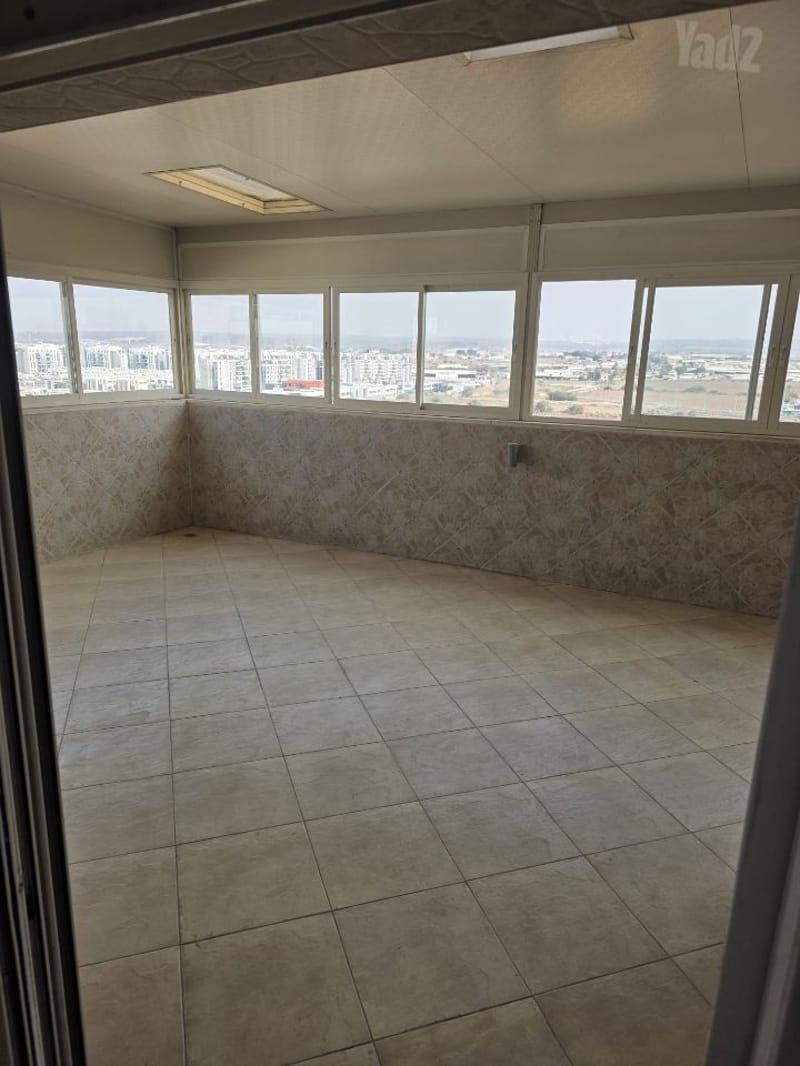
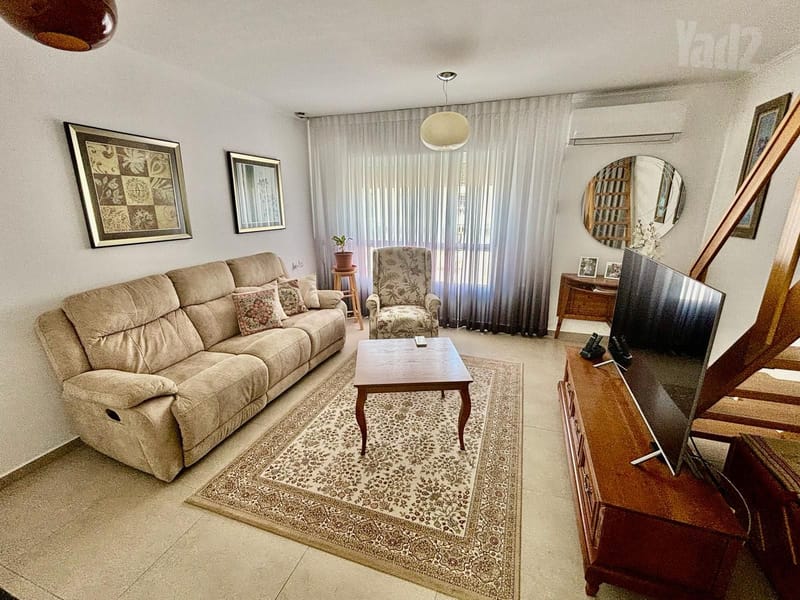
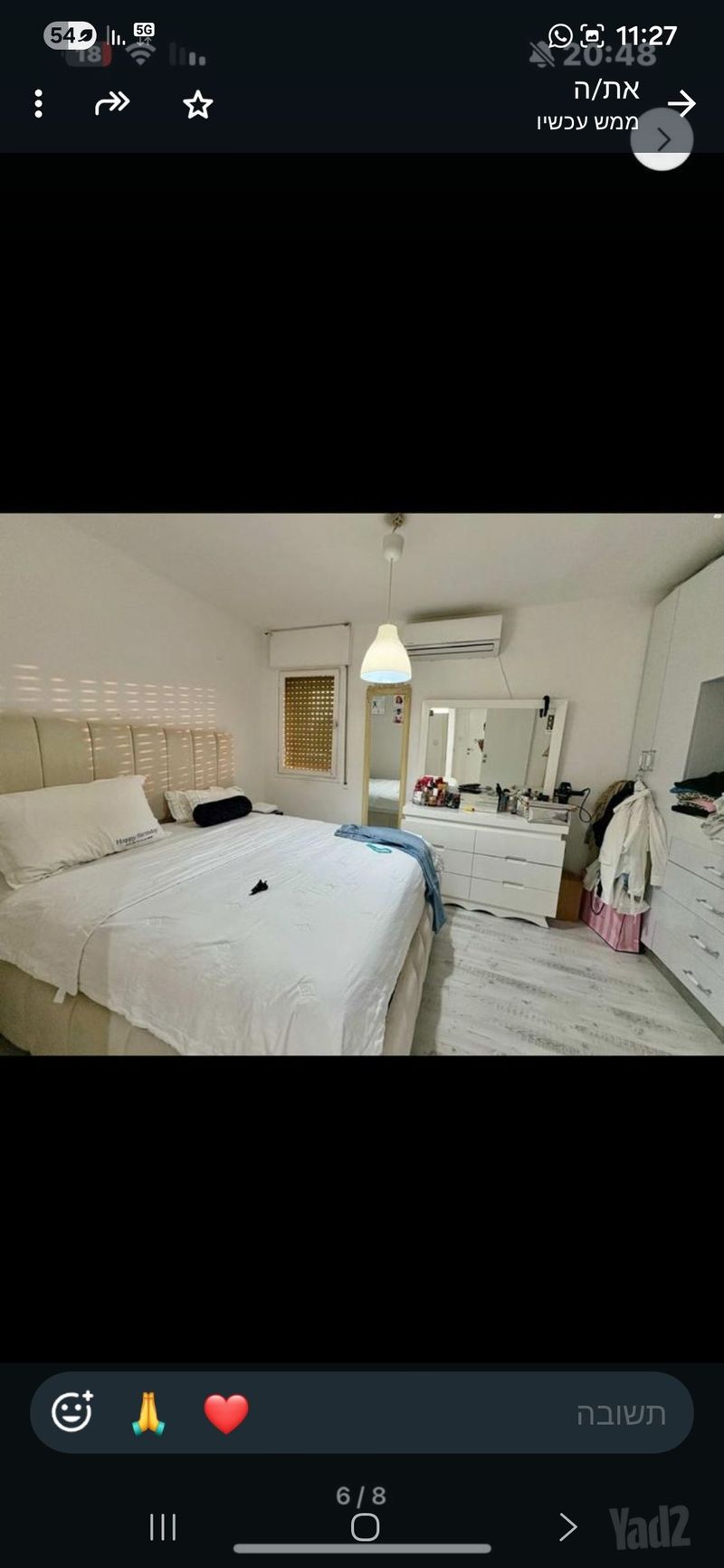
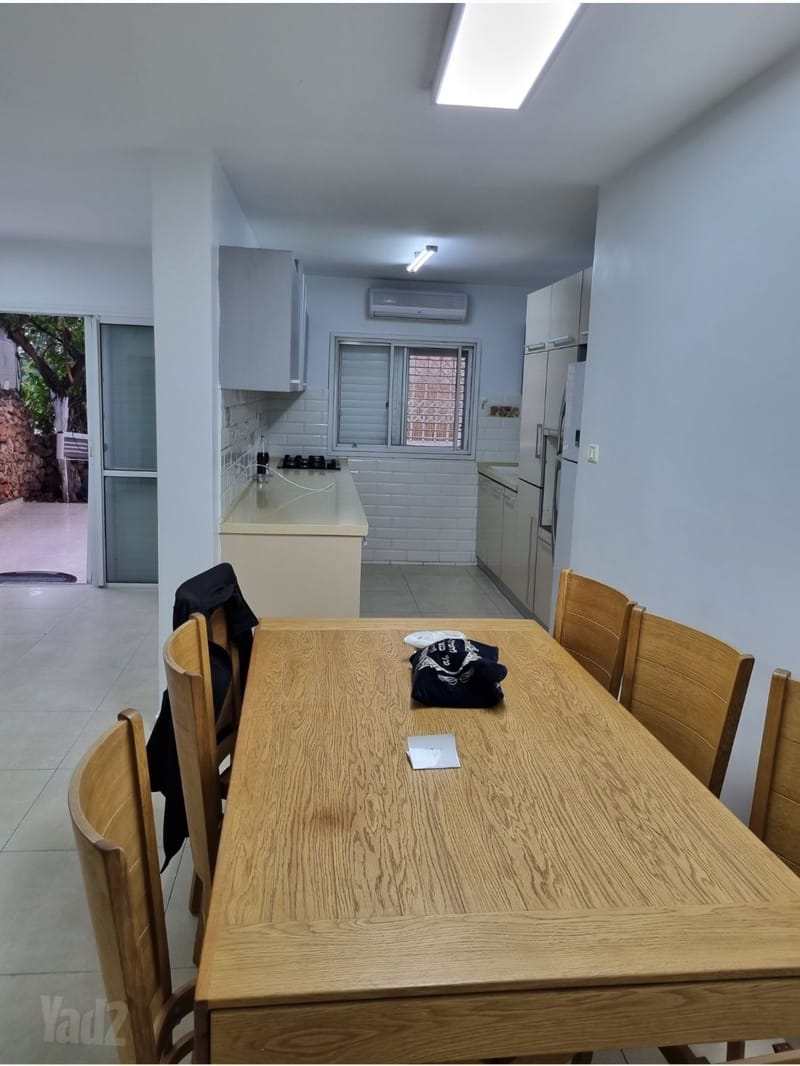
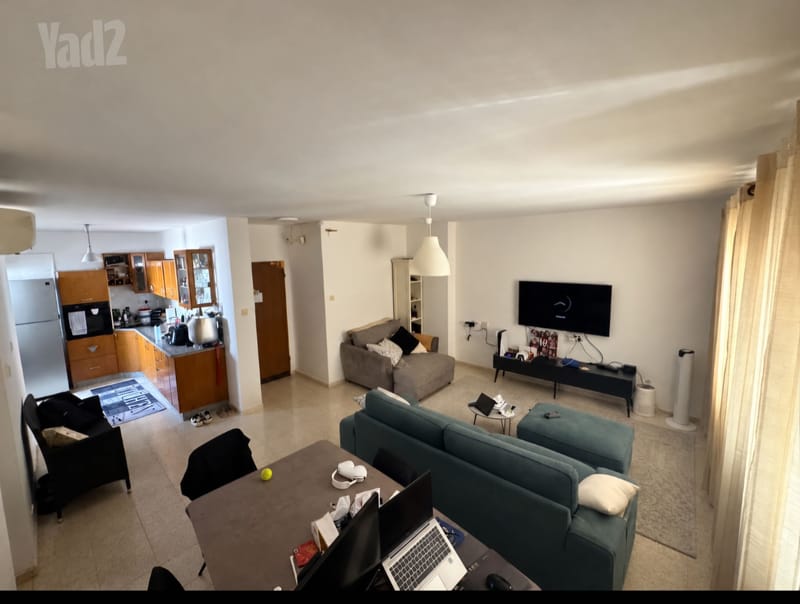
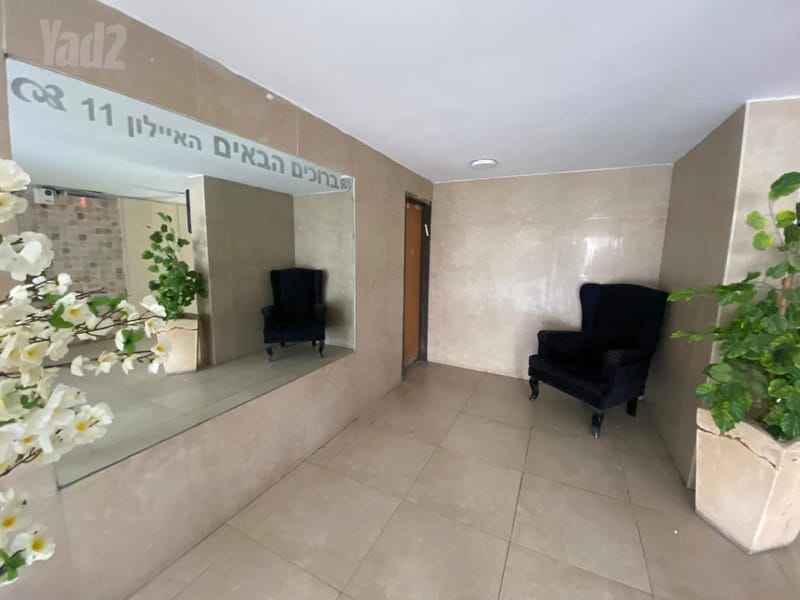
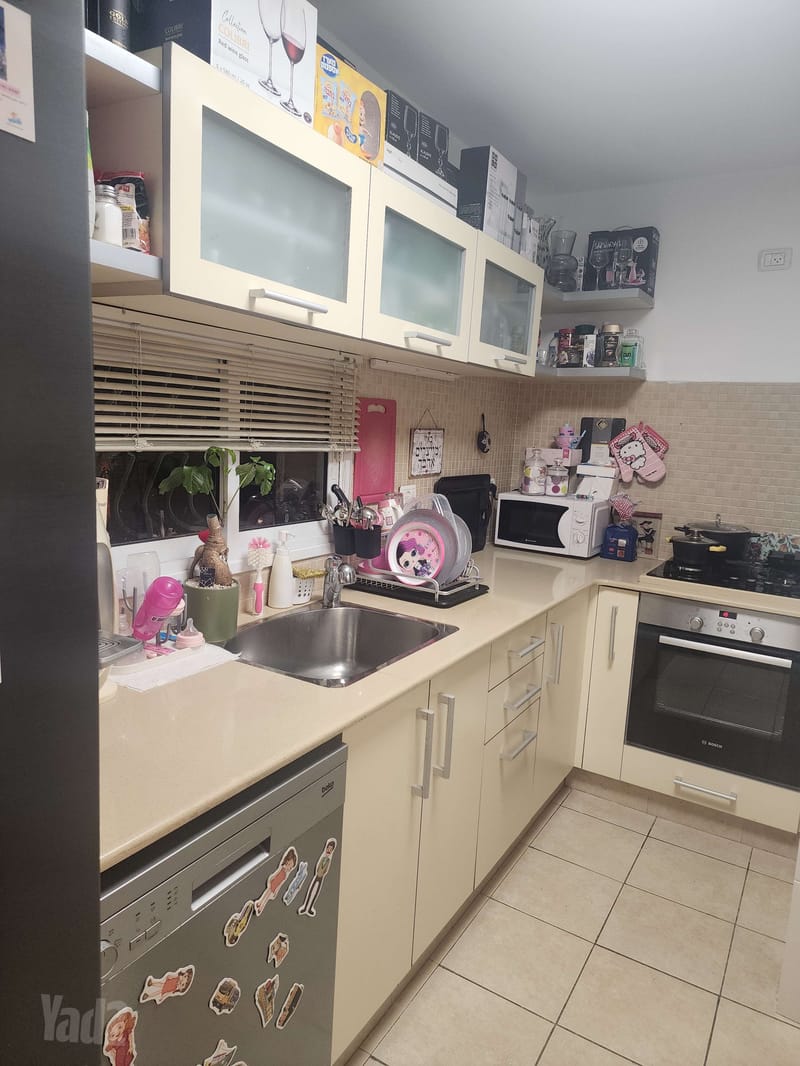
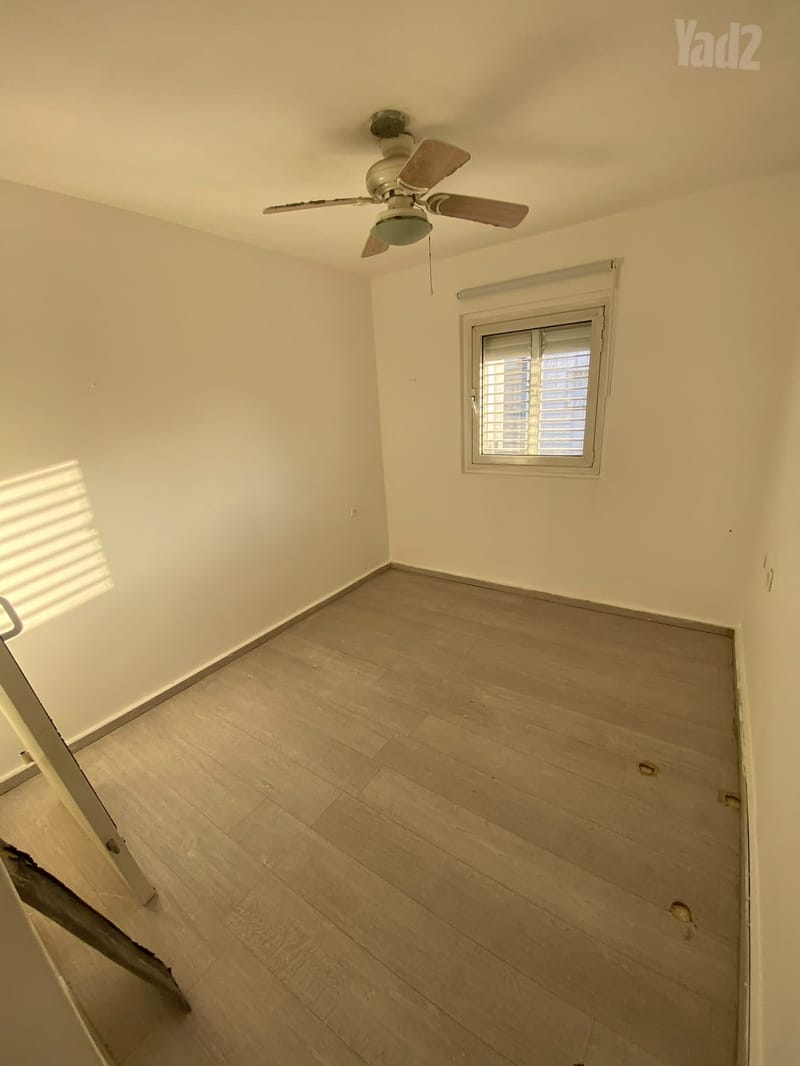
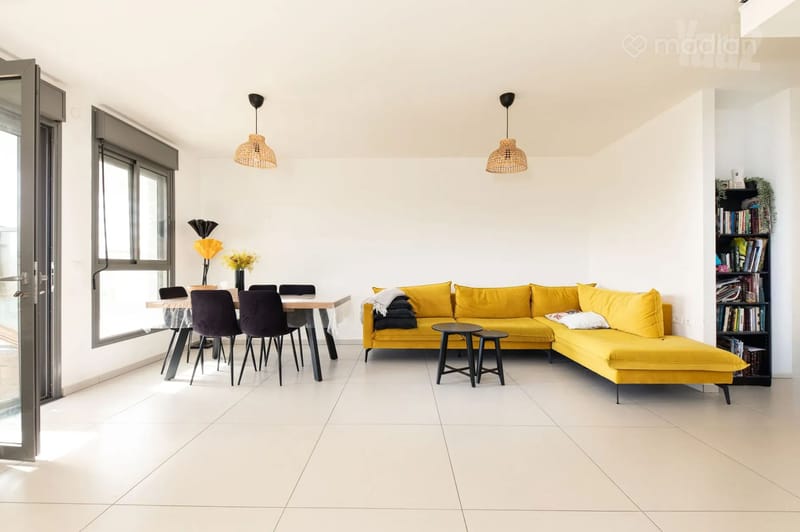
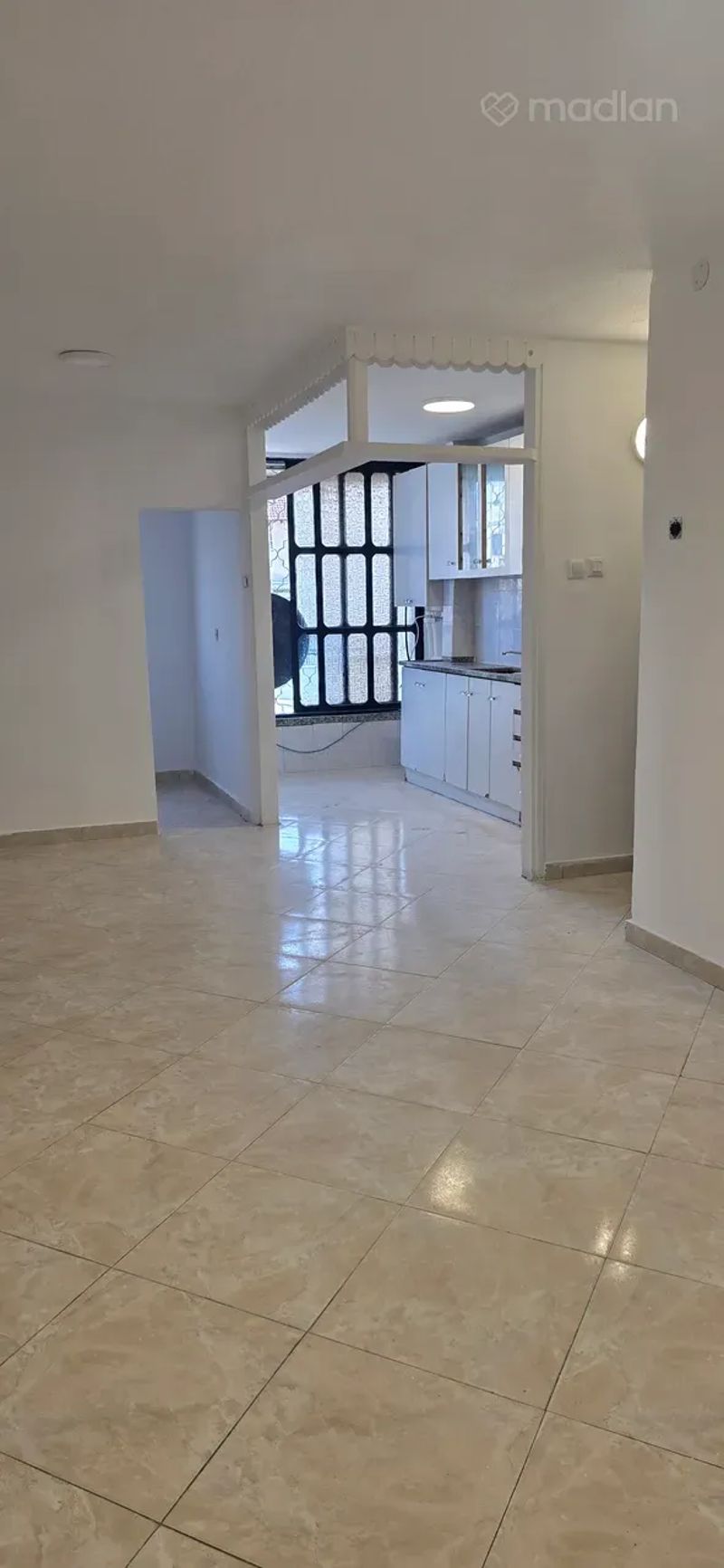
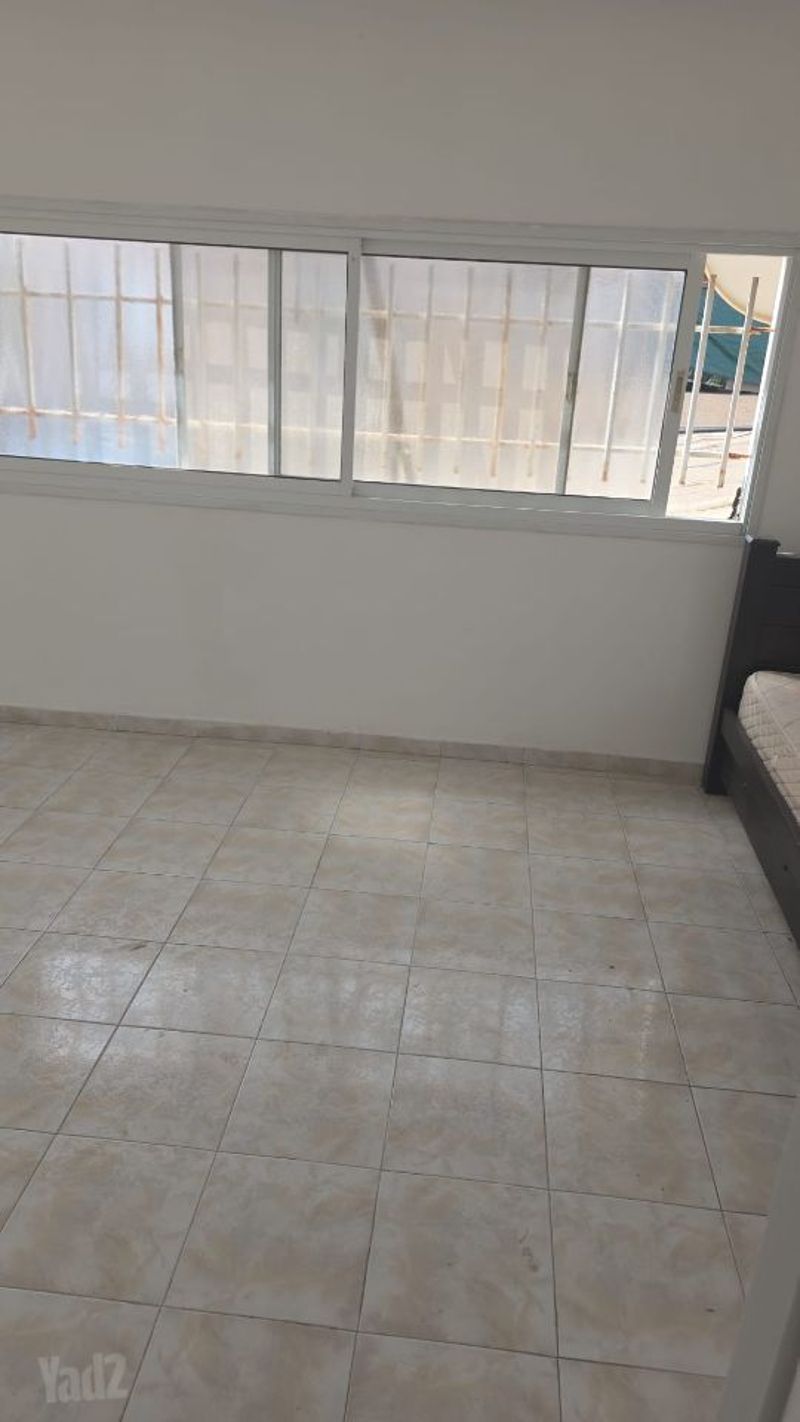
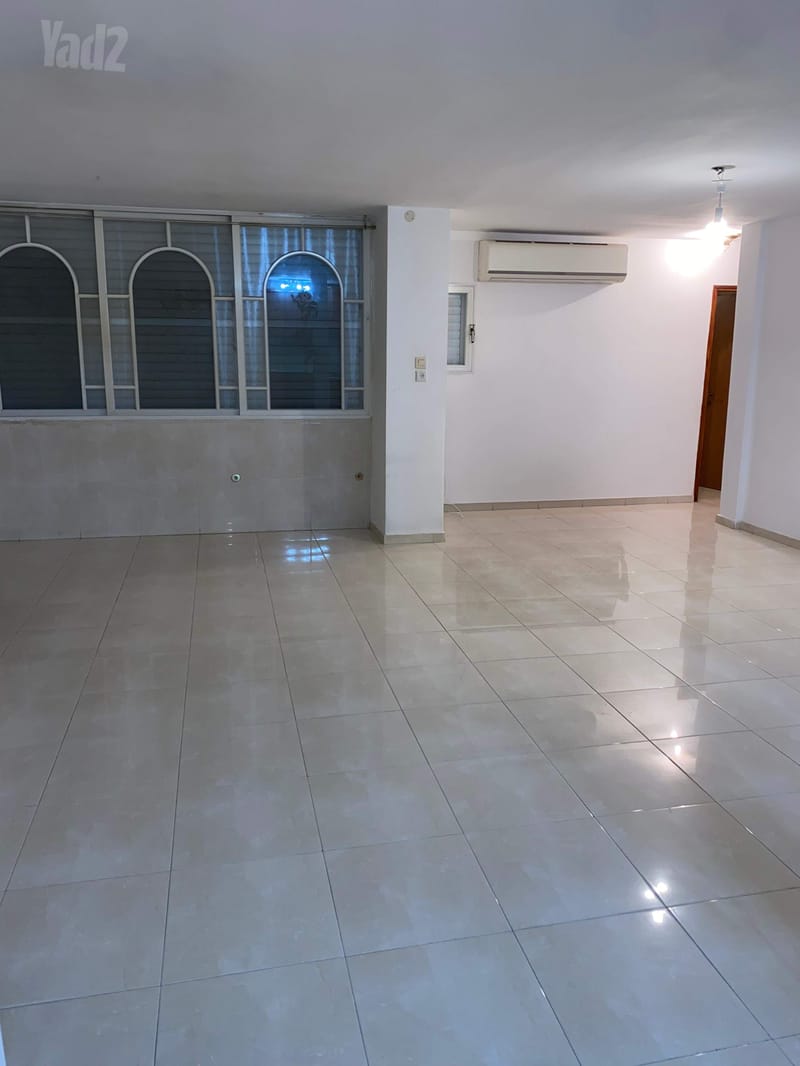
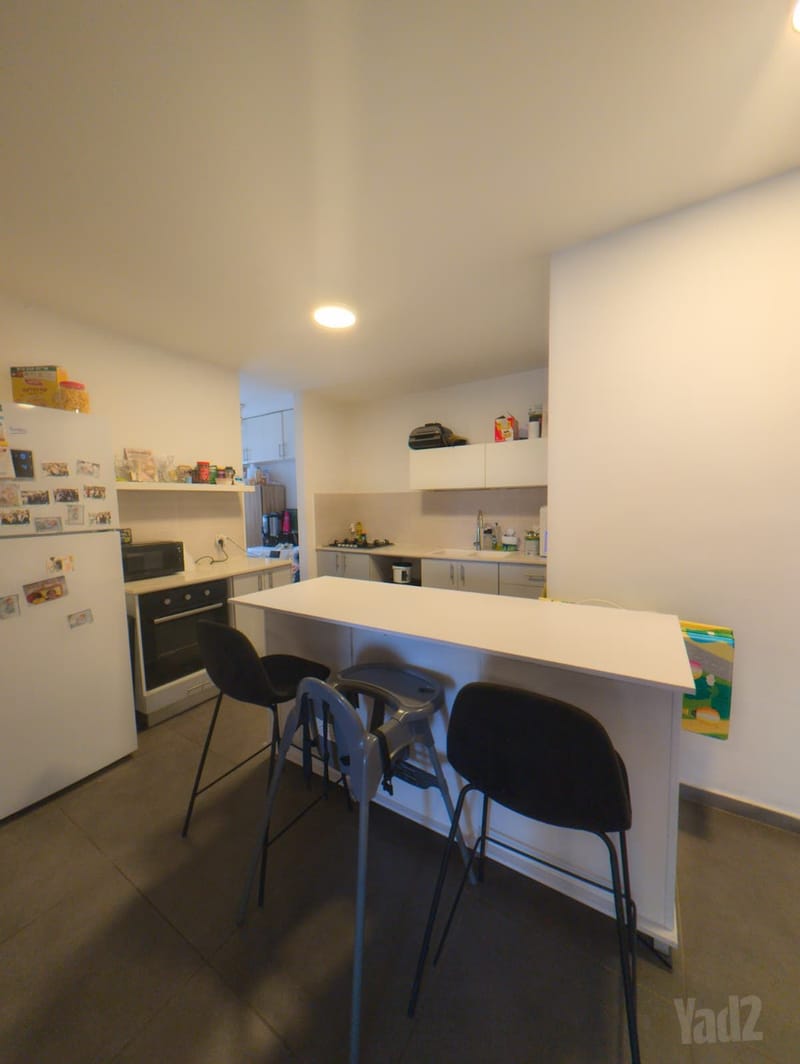
The city's rental market is polarized between new and old, and that works in renters' favor. The occupancy of thousands of apartments in Nofei Ben Shemen and the International Quarter has created a wide supply of new 3- to 5-room investor-owned apartments alongside designated long-term rental housing, making it easy to find a place with a MAMAD, balcony, and underground parking. Those looking for lower expenses will find buildings from the 90s with elevators in Ganei Aviv, while in the City Center and southern neighborhoods, the supply relies on low-rise shikunim without an elevator or MAMAD, alongside pockets of Pinui-Binui (urban renewal). The trade-offs are clear: in the new neighborhoods you'll sometimes live next to construction sites and retail spaces still filling up, in the older areas you'll encounter aging infrastructure and a parking crunch, and across the city you'll need to get used to aircraft noise from Ben Gurion Airport (the double-glazed windows in the towers help, at least until you step out onto the balcony).
The train tracks and Route 40 turn Lod into a "city of enclaves," each with its own routine: the new neighborhoods and the more established Ganei Yaar offer a mixed daily life with parks and secular and religious state schools, while neighborhoods in the southeast and southwest feature Torah educational institutions, tailored shops, and streets that close on Shabbat. For getting around, the city has a huge advantage with two active train stations (Lod Central and Ganei Aviv) that reach Tel Aviv in about twenty minutes, plus immediate access to Routes 1, 6, 40, 200, and 431, even though the exits to Route 40 and the Ben Shemen Interchange are very congested in the mornings. Currently, construction is underway on the main arteries to build the "Brown Line" mass transit route, and in the distant future, the M1 Metro line is planned for the city. Bottom line: Lod suits anyone who wants a spacious apartment and a quick launchpad to the rest of the country, and is willing to give up nightlife, a seamless urban fabric, and complete quiet in the skies.

 Try Dorit for Free