Mazkeret Batya sells a fairly rare dream in the Shfela region: living in a historic moshava with eucalyptus trees, preserved stone buildings, and a main boulevard lined with local cafés, without giving up new neighborhoods and an adjacent train station. Although the town has grown and attracted upsizers from Rehovot and Gush Dan, the local council zealously guards its low-rise character—there are no high-rises, and multi-family buildings top out at four to eight floors alongside private homes. Day to day, a secular majority and an established Religious Zionist and traditional community live here together, with a diverse education system and quiet Shabbats inside the town (for Saturday shopping, people pop over to the nearby Bilu Center). With orchards and bike trails leading out to Nahal Ekron and the Hulda Forest, it is tailor-made for families and couples looking for community and greenery—as long as you understand that the moshava closes early in the evening, and for bars or a movie you drive to Rehovot or Tel Aviv.
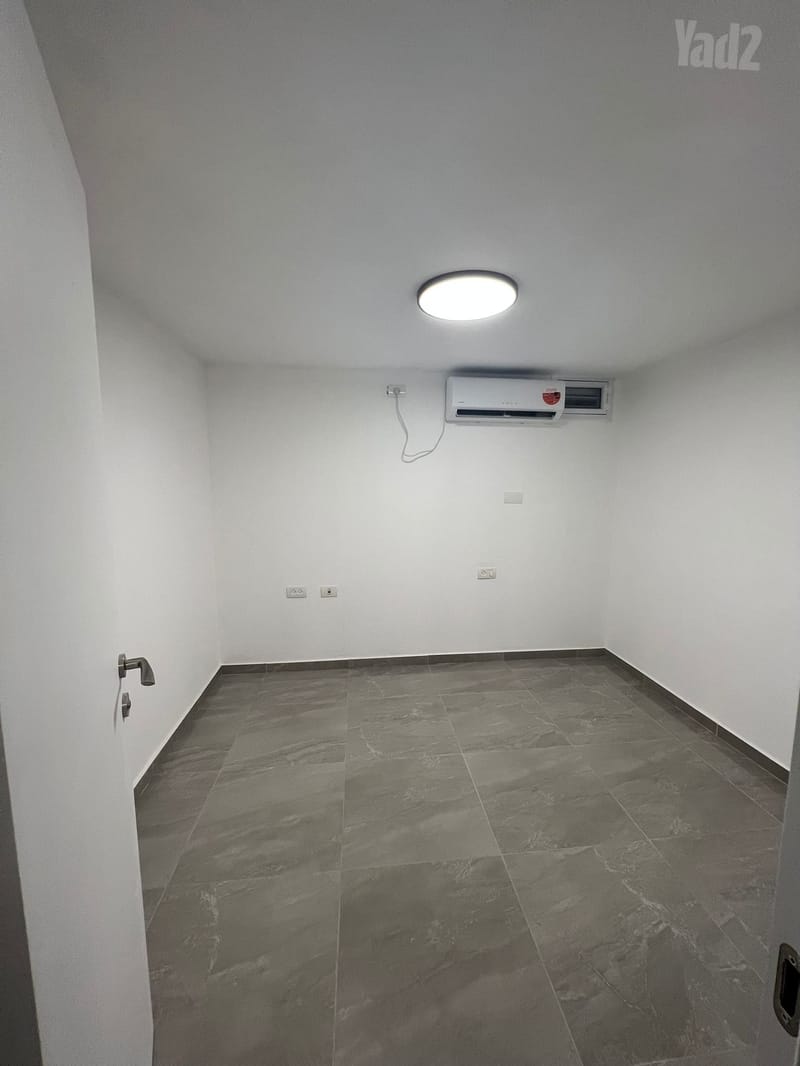
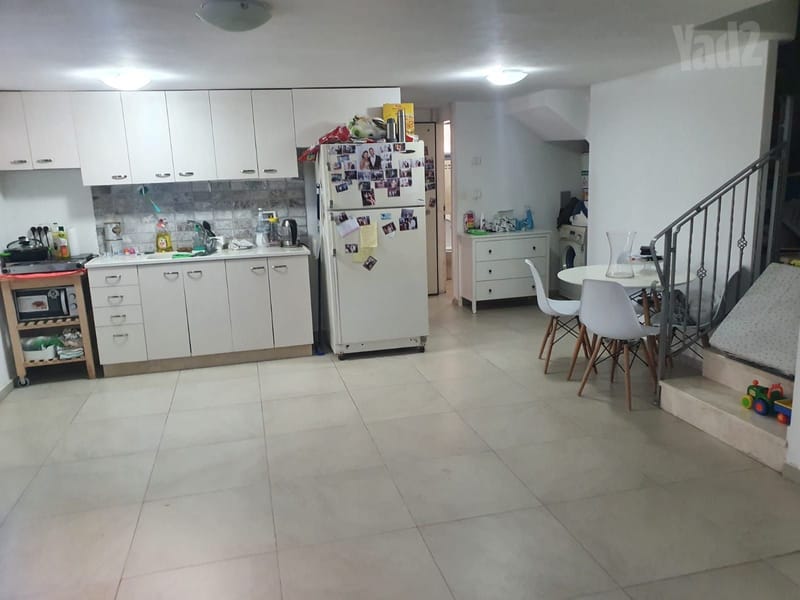
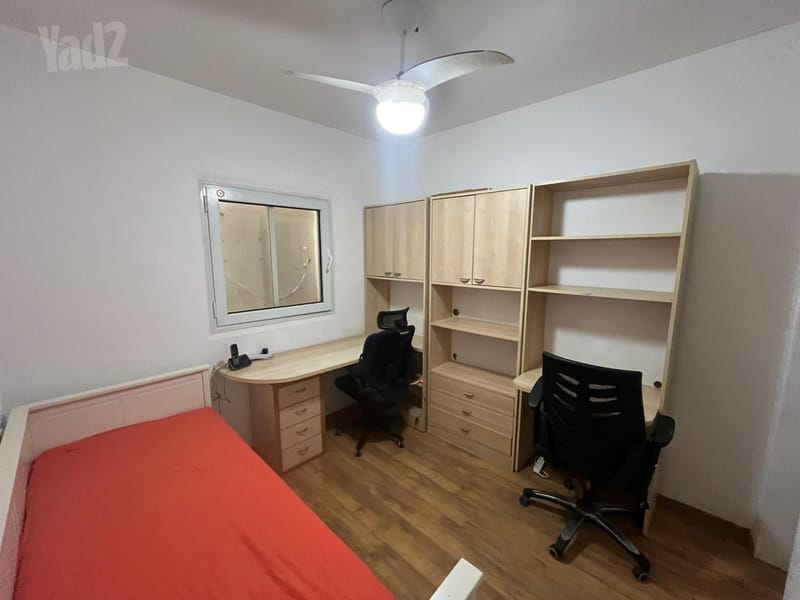
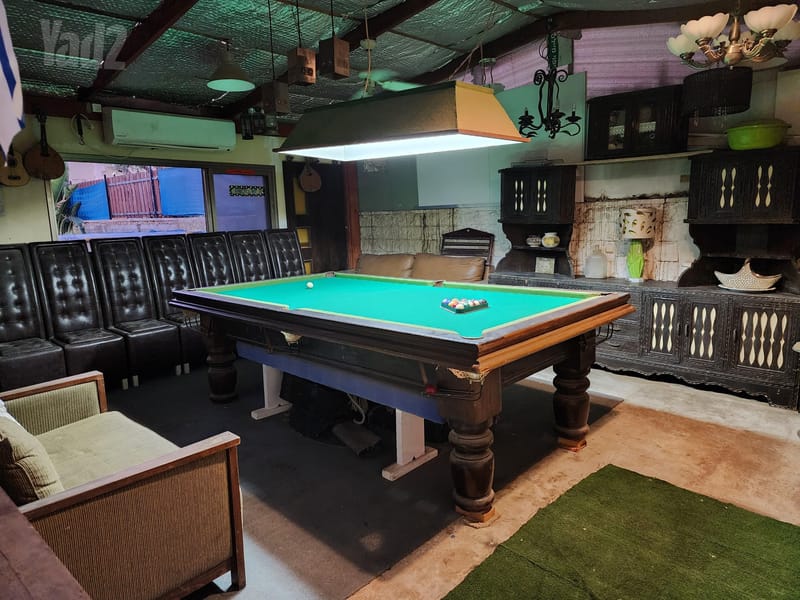
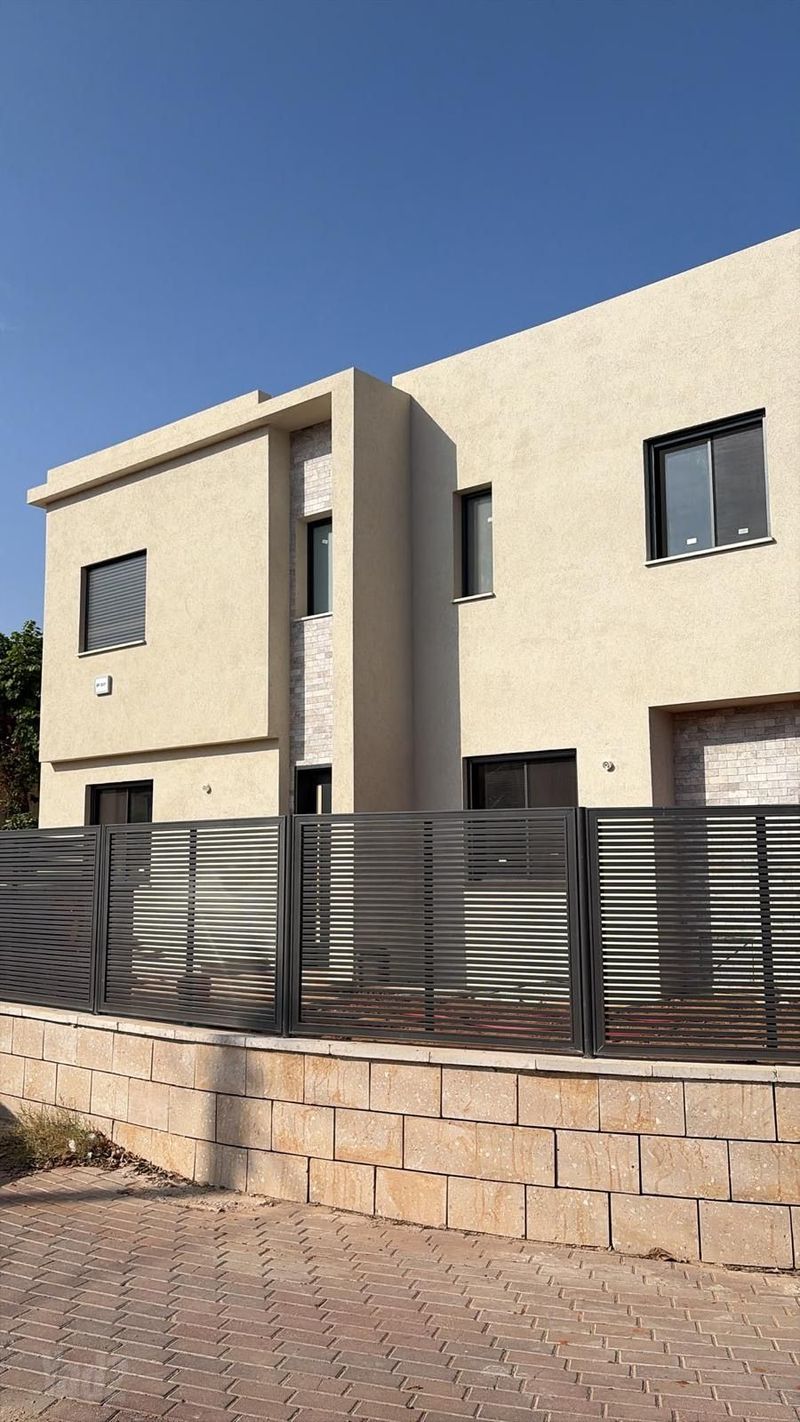
The absence of high-rises directly shapes the local rental market. Most of the modern supply—typically four- and five-room apartments or garden apartments in low-rise buildings with a MAMAD, balcony, and parking—is concentrated in the eastern part of town, in the Bar Lev, Kesem Bereshit, and Pninit HaSavyonim neighborhoods. By contrast, standard two- or three-room apartments in a regular building are a rare commodity. The practical compromise for a small apartment usually comes down to either basement or backyard accessory units in private homes, or apartments in the older shikunim (public housing blocks) on Sderot Eliyahu, which offer a central location but in old buildings without an elevator or MAMAD. While a Pinui-Binui (urban renewal) plan is being advanced in the Eliyahu complex and the construction of a micro-apartment building for young adults was recently approved in the developing train quarter, these are solutions for the future; right now, well-maintained apartments are snapped up quickly by families testing out the town before buying.
Choosing where to rent sets the tone for your daily routine: the heart of the old moshava around Sderot Rothschild offers historic charm and cafés within walking distance, Neot Yitzhak Rabin and Hadar Ganim provide the suburban quiet of detached homes, and the Bar Lev neighborhood in the east is the hub for young families, with parks, schools, and a commercial center under construction, alongside active building sites still operating around it. Right next to it operates the train station with a direct line to Tel Aviv and Be'er Sheva (and in the long term, a Metro branch is planned for the Bilu Junction area), but internal bus service is limited and a private car is still essential here. Route 423, which bypasses Rehovot from the east, has improved access to the Science Park and Route 431, but the morning exit on Route 411 toward Bilu Junction is congested and requires patience. For those willing to trade nightlife and dense urban transit for car dependency and morning traffic jams, Mazkeret Batya pays you back with rural quiet and a warm community.

 Try Dorit for Free