Apartments for Rent in Modi'in-Maccabim-Re'ut from ₪4,500
Modi'in is probably the most meticulously planned city in Israel — the textbook definition of the perfect family suburb. Everything here revolves around community, education, and quality of life: sprawling parks (Anaba Park is a true gem), green valleys crisscrossing the neighborhoods, and countless roundabouts that keep traffic flowing safely. The vibe is bourgeois, quiet, and very clean. While it used to be labeled a "sleeper city," the new city center (HaSdera HaMerkazit) has injected some life with restaurants, cafes, and bars that stay open on weekends. Still, this is a family-oriented town that goes to bed relatively early. The incorporated towns of Maccabim and Re'ut add the vibe of an upscale, established village with close-knit communities. If you're single and looking for wild nightlife, you'll feel out of the loop here, but if you want a safe, embracing place to raise kids, it's one of the most sought-after cities in the country.
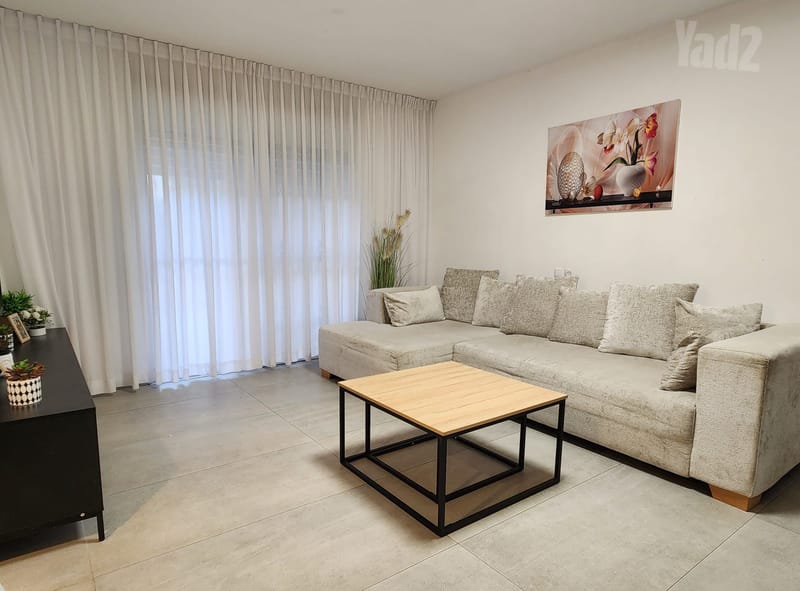
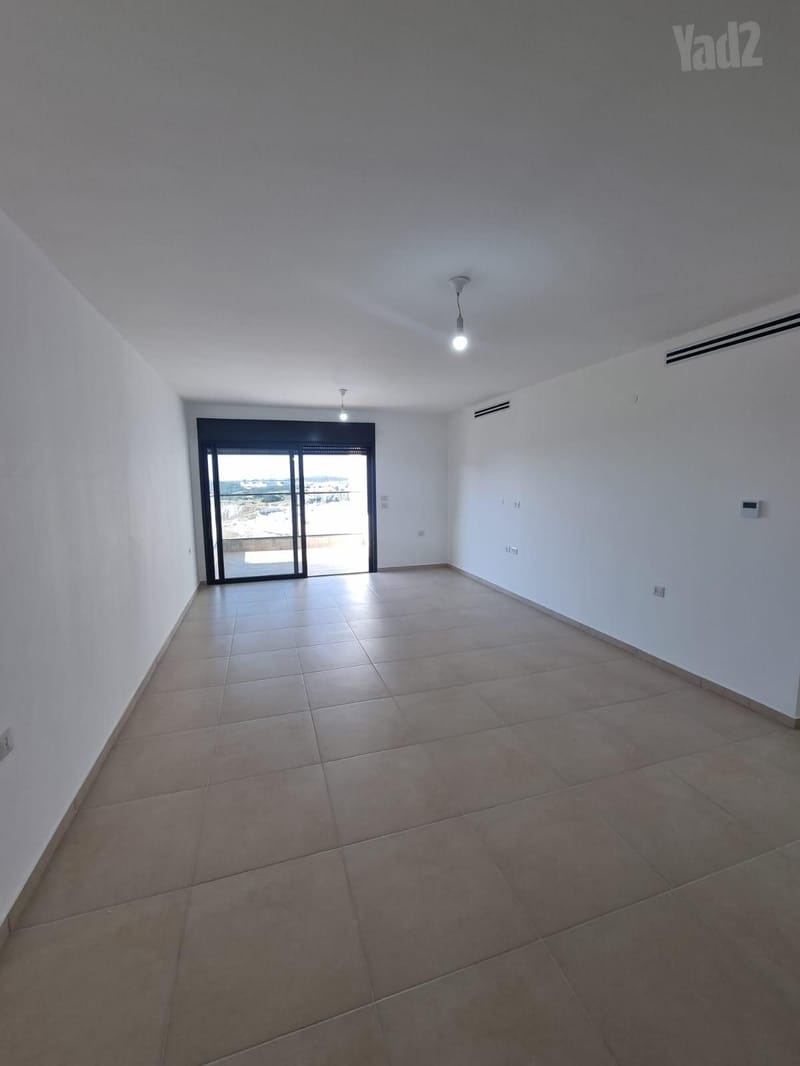
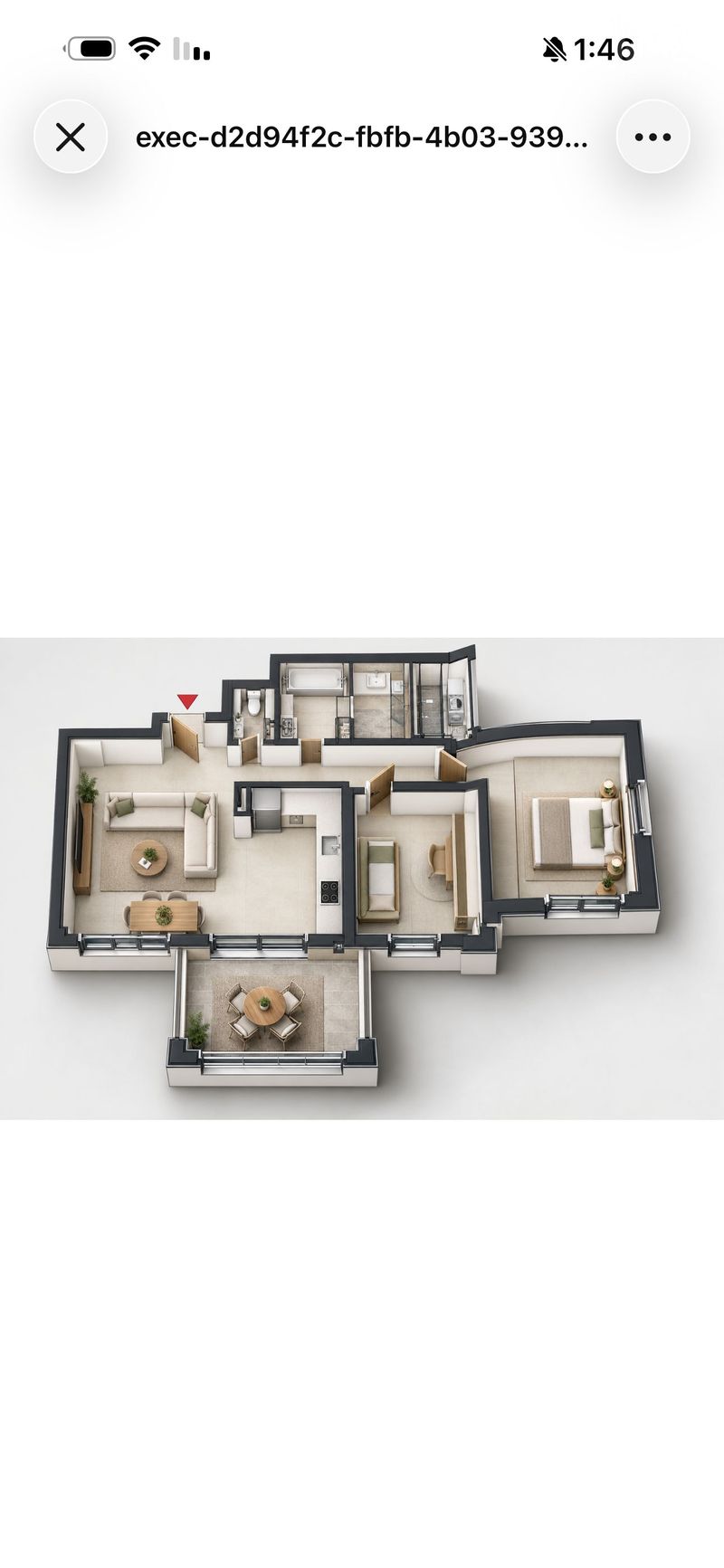
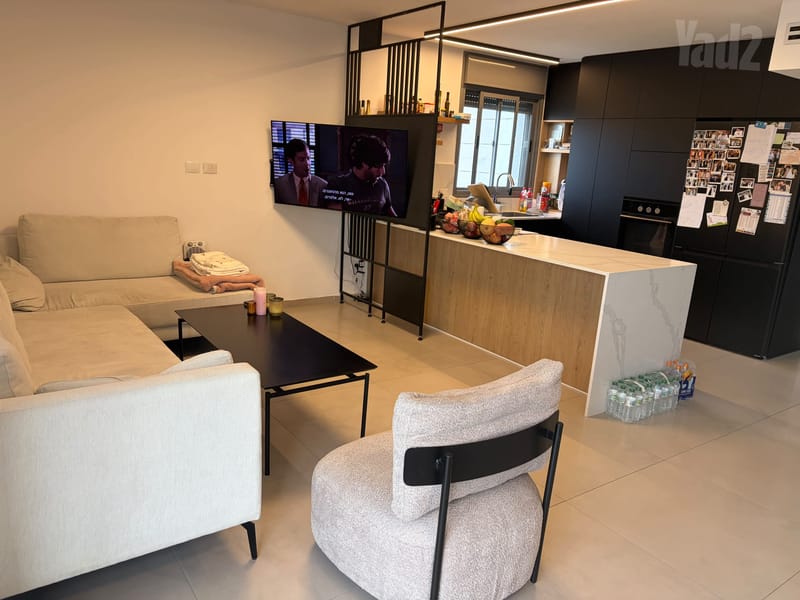
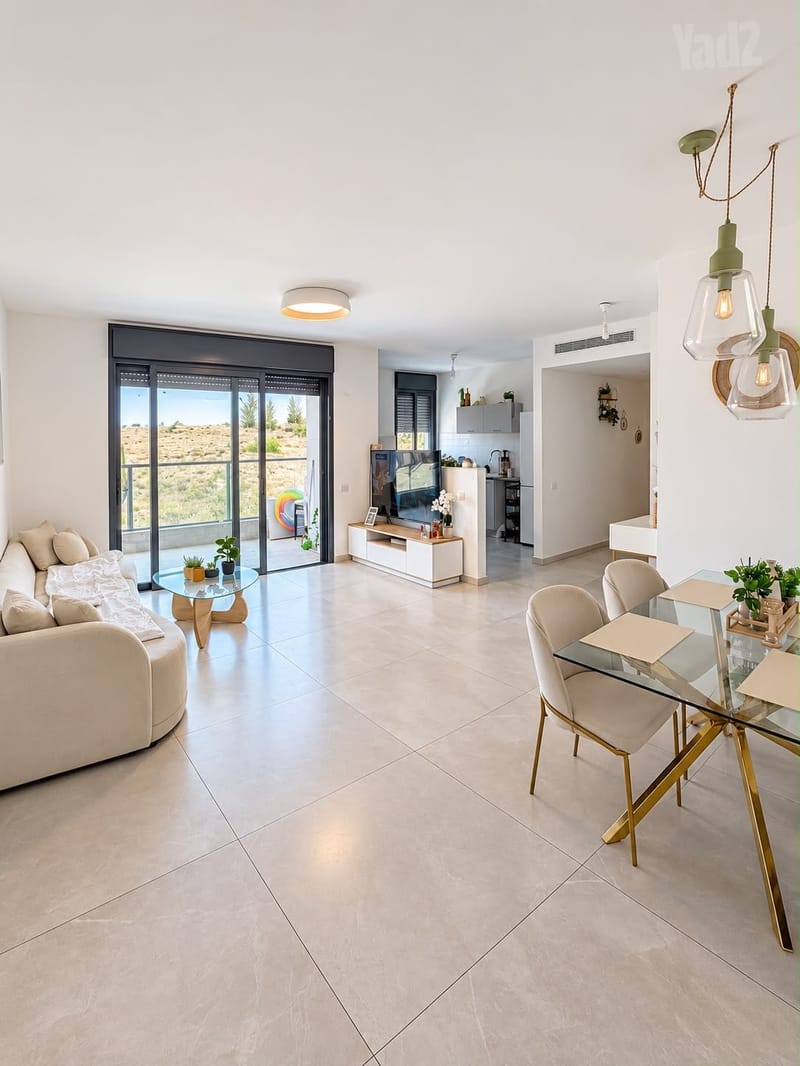
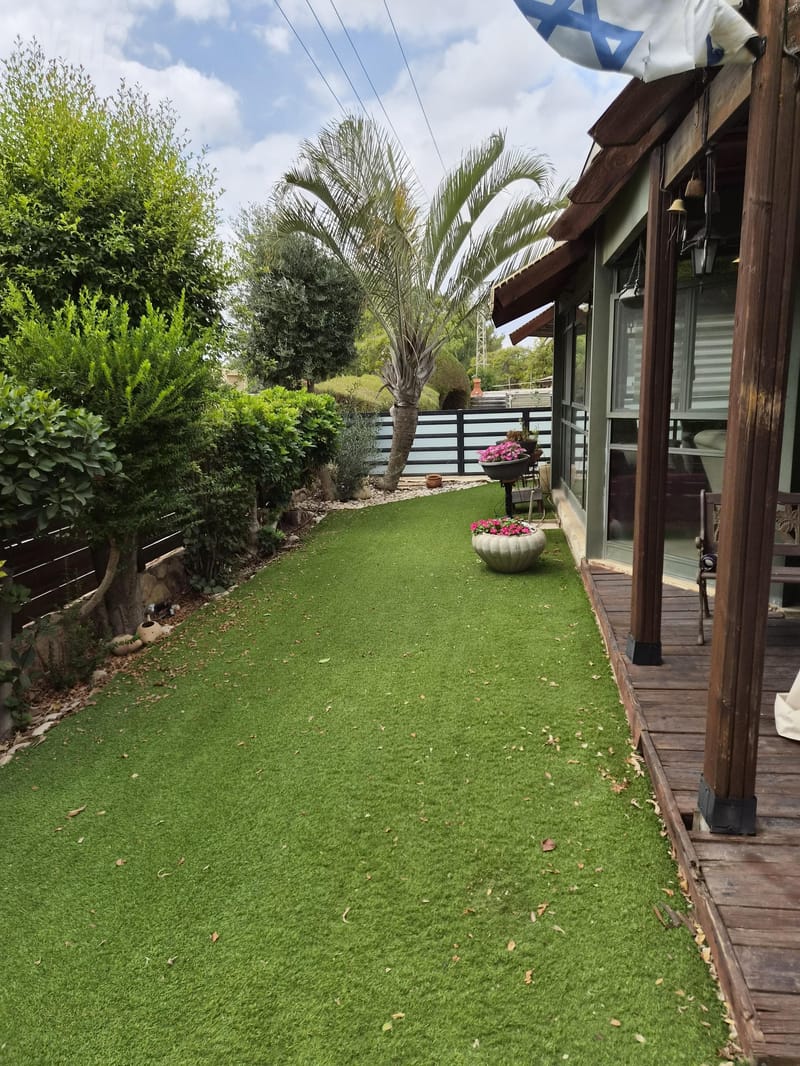
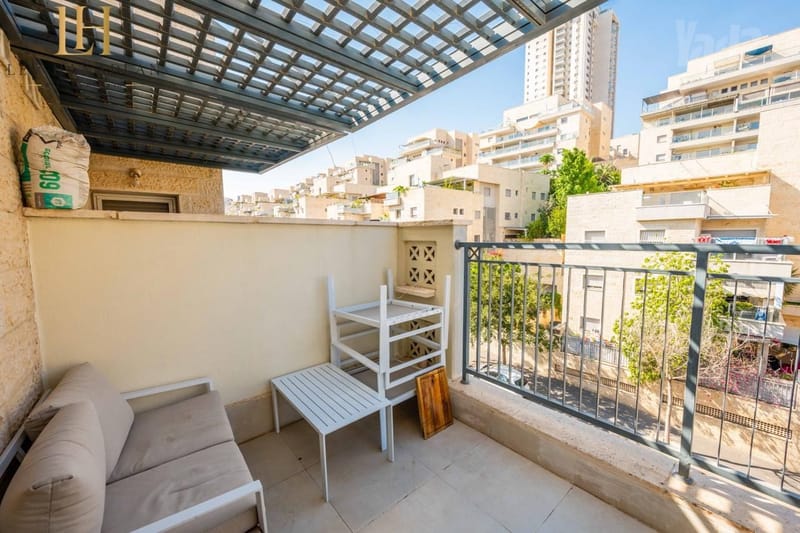
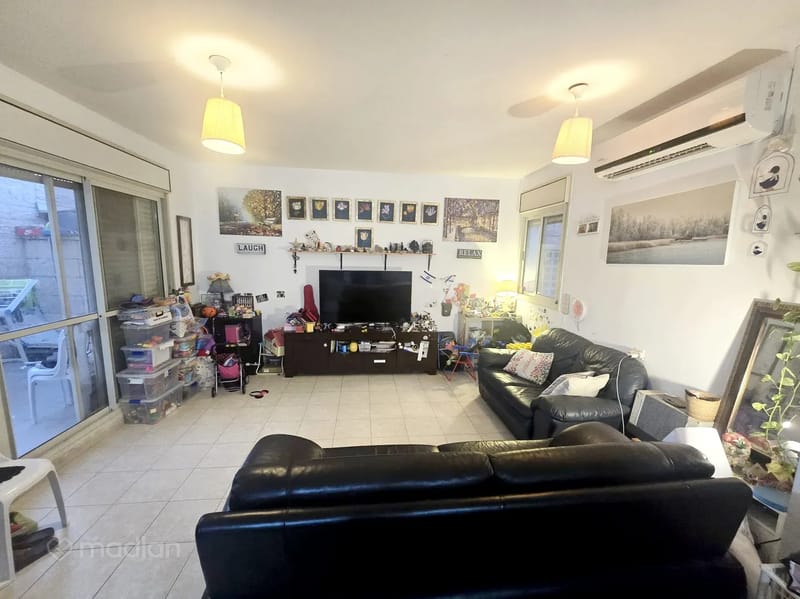
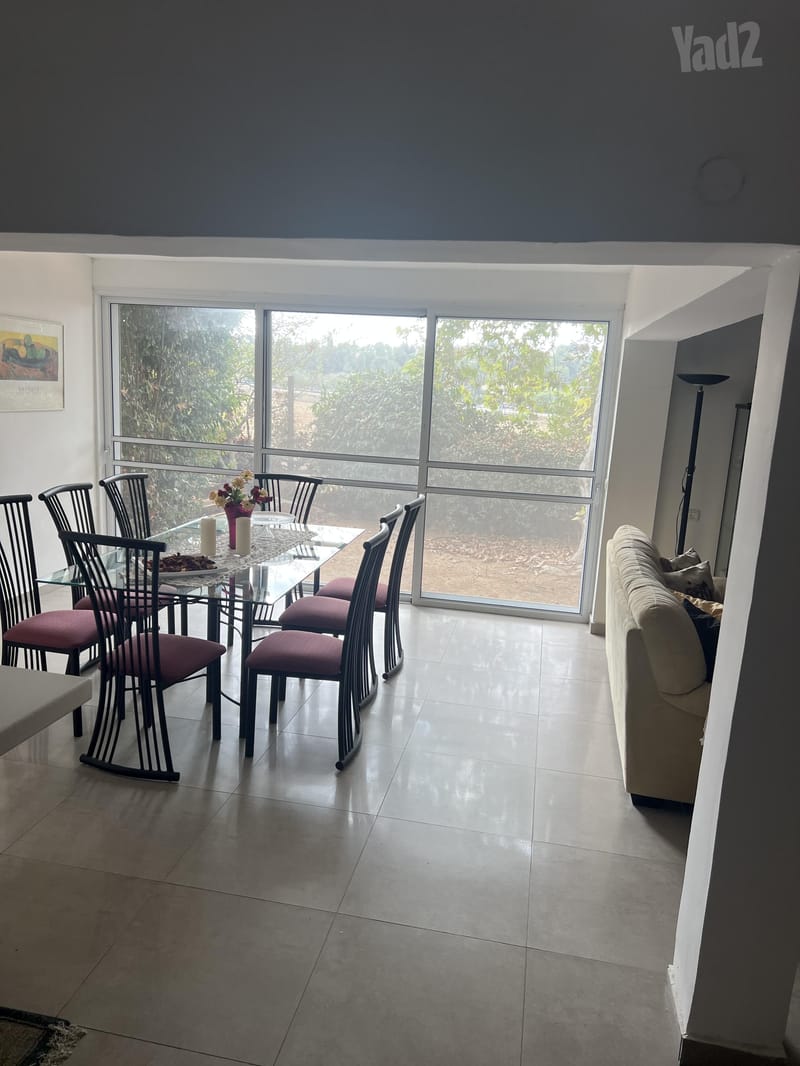
The rental market here is highly expensive, competitive, and almost entirely geared toward families and upgraders. Because the city was designed for families, finding small 2-to-3-room apartments is tough (except for specific projects in the new center or basement units in Maccabim and Re'ut). The standard here means spacious 4-to-5-room apartments, usually with large balconies, a safe room (Mamad), and designated parking, alongside garden apartments and penthouses. Neighborhoods like Moriah (locally known as "Buchman") and Avnei Chen ("Kaiser") are highly desirable and very pricey, while newer areas like Nofim and Moreshet offer modern builds but require living in a developing zone. In Maccabim and Re'ut, the market consists almost exclusively of villas and detached homes, requiring a very high budget.
In your day-to-day life, Modi'in is a tough city to navigate without a car. The city is built on hills and valleys, making walking between neighborhoods quite a trek (and regular bicycles aren't a great option unless you have a strong electric motor). The infrastructure is heavily car-centric, and getting to shopping centers usually requires a drive. The massive upside is the city's two train stations (Modi'in Center and Paatei Modi'in), which offer a fast, convenient connection and serve as a critical lifeline for those commuting outside the city. The trade-offs are clear: high car dependency, a noticeable cost of living, and morning traffic jams at the city exits (heading to Route 1, 443, or 431). But the payoff is top-tier quality of life, manicured streets, a leading education system, and a sense of security that's hard to find elsewhere.
80 listings added in the last month · 44 already rented · Last updated today at 23:42
We use cookies to keep the site running, improve your browsing experience, analyze usage and personalize content and advertising. Learn more in our privacy policy.

 Try Dorit for Free