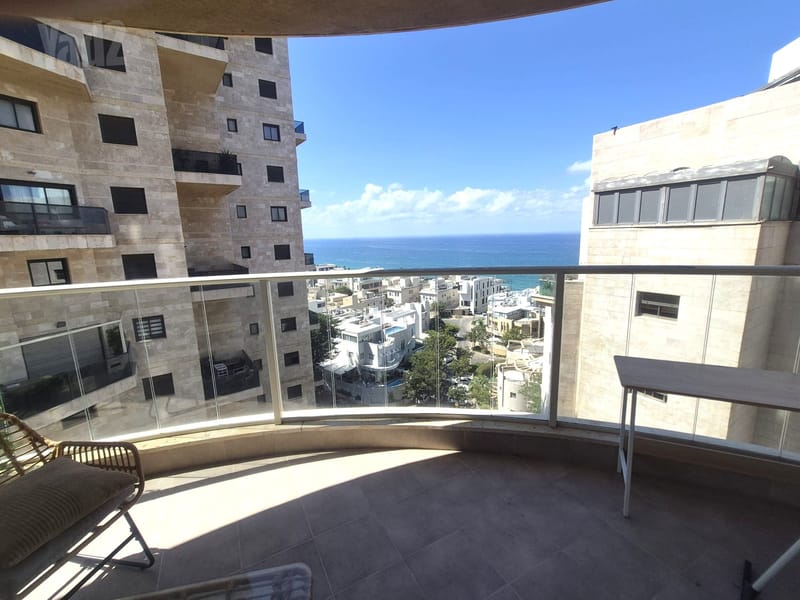
Netanya is a city that breathes the sea, boasting one of the most beautiful coastlines and promenades in Israel, giving it a distinct local Riviera feel. The human mosaic here is colorful and fascinating: veteran residents, a massive and influential French-speaking community (especially near the coast), immigrants from the former Soviet Union, and traditional communities living alongside secular ones. The city center, around Independence Square and the pedestrian mall, is bustling, and the Netanya Market has become an authentic culinary gem with great street food, home-style restaurants, and a lively atmosphere. This isn't a city for a crazy underground club scene; rather, it's about beachfront cafes, good dining, and a palpable resort vibe. If you're looking to combine urban life with the scent of salt in the air and an international atmosphere, you'll find a fascinating place here.
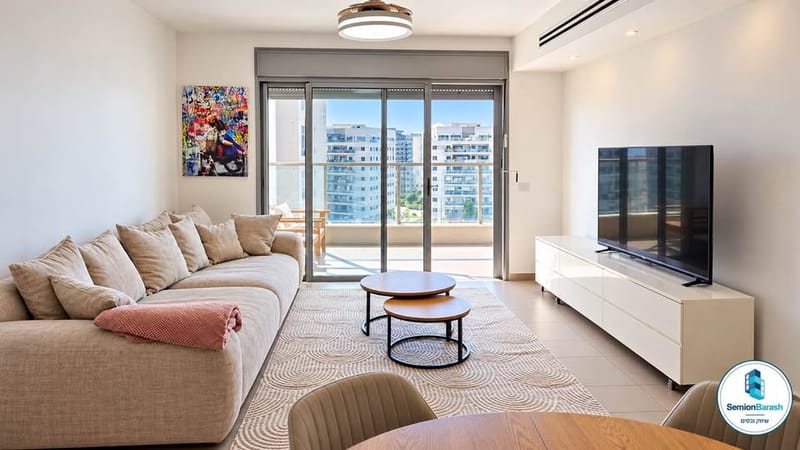
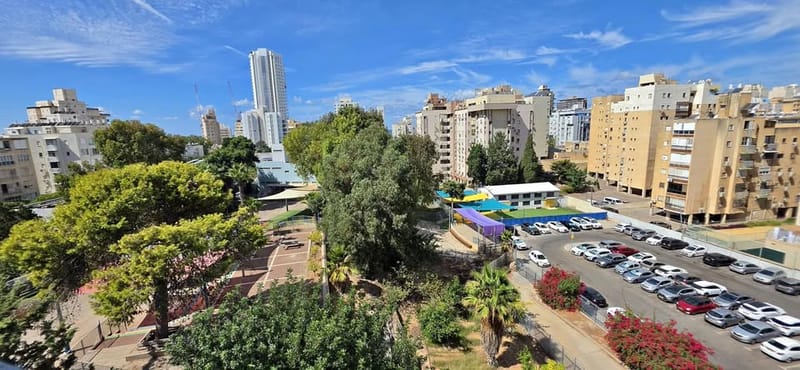
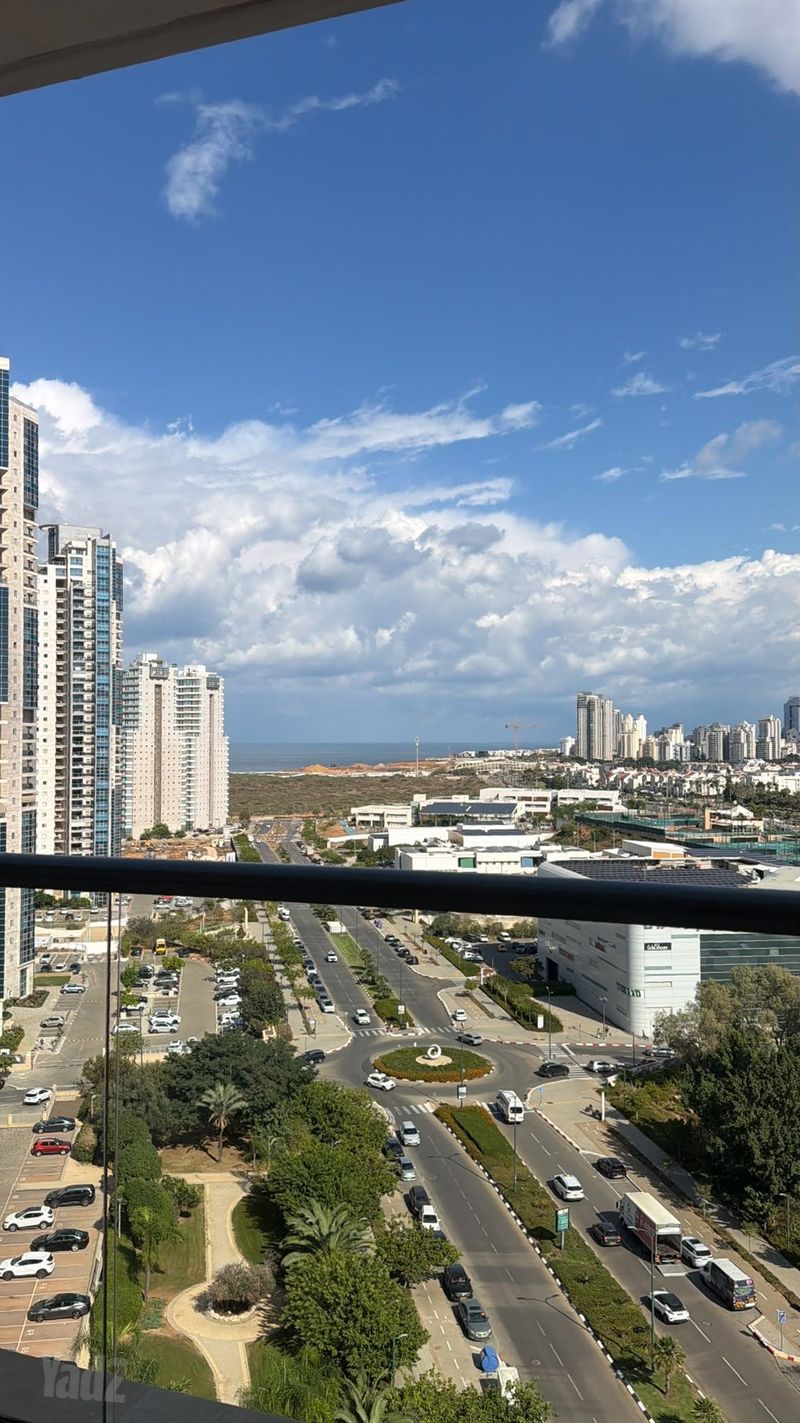
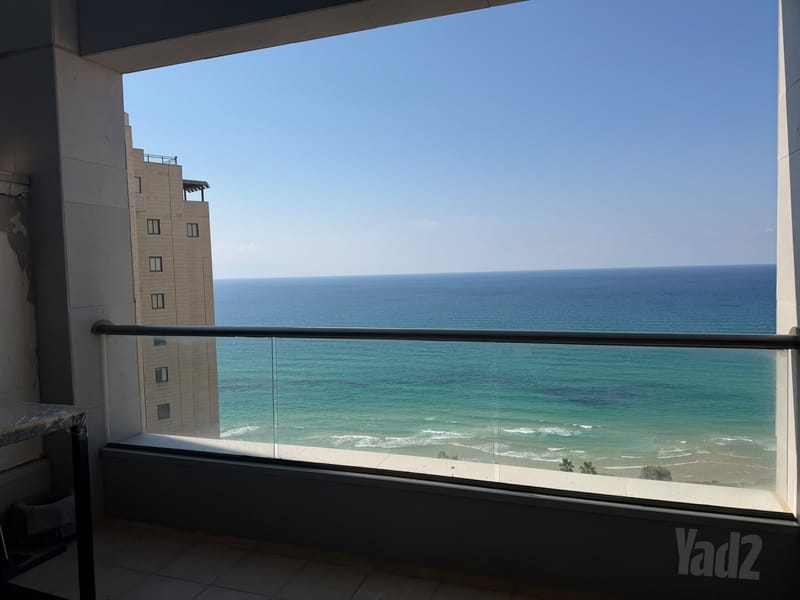
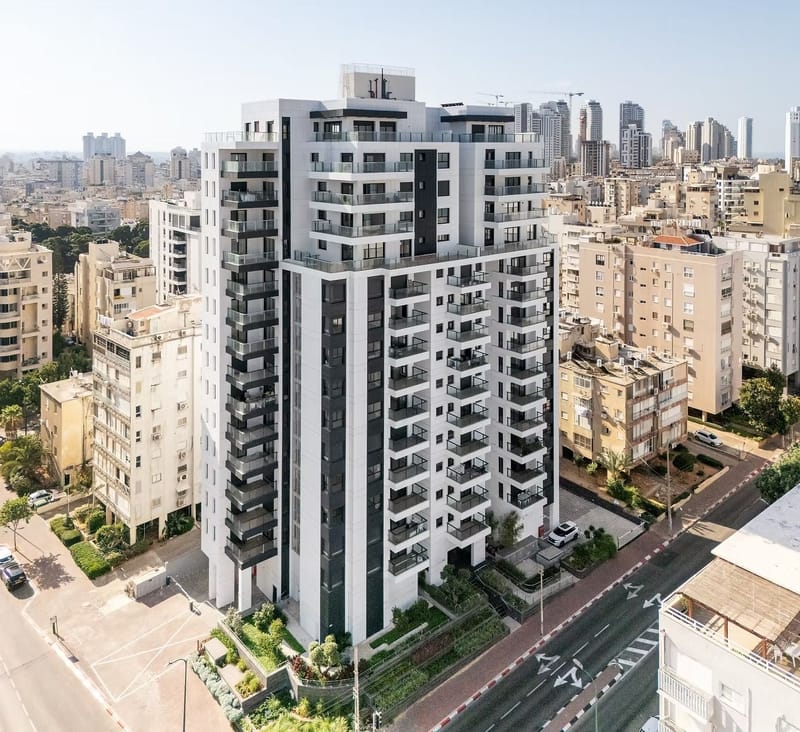
The rental market in Netanya has something for everyone, but the gaps between neighborhoods are dramatic. Down south, neighborhoods like Ir Yamim and Ramat Poleg offer luxury towers, open sea views, and parks, attracting an affluent crowd willing to pay premium prices for an elevated standard of living. In the east, Kiryat Hasharon and Agamim are the classic family hubs—modern construction, close to schools, with a strong community feel. In contrast, the city center and the older northern neighborhoods feature older, sometimes rougher buildings, often without registered parking. However, rent there is far more reasonable, and you are just a short walk from the market and the beach. The wave of urban renewal (TAMA 38) is heavily felt in these older areas, meaning the supply of fully renovated apartments is constantly growing.
On a day-to-day basis, getting around Netanya can be challenging, especially if you work outside the city. Netanya sits right on the Coastal Road (Highway 2), and entering or exiting during morning and afternoon rush hours requires patience and dealing with significant traffic. The city's two train stations (Sapir and Netanya Center) are highly efficient lifesavers, but because of the city's large footprint, you'll usually need a car or bus just to reach them. In the spacious new neighborhoods, you're highly dependent on a private car, while in the older city center, you can easily get around on foot or by bike—but finding an available parking spot is a daily struggle. The main trade-offs here revolve around traffic and distances, but for those who love the blend of a large city, diverse communities, and a spectacular beach promenade right outside their door, Netanya offers a rich, comfortable, and vibrant living experience.
870 listings added in the last month · 183 already rented · Last updated today at 04:39
We use cookies to keep the site running, improve your browsing experience, analyze usage and personalize content and advertising. Learn more in our privacy policy.

 Try Dorit for Free