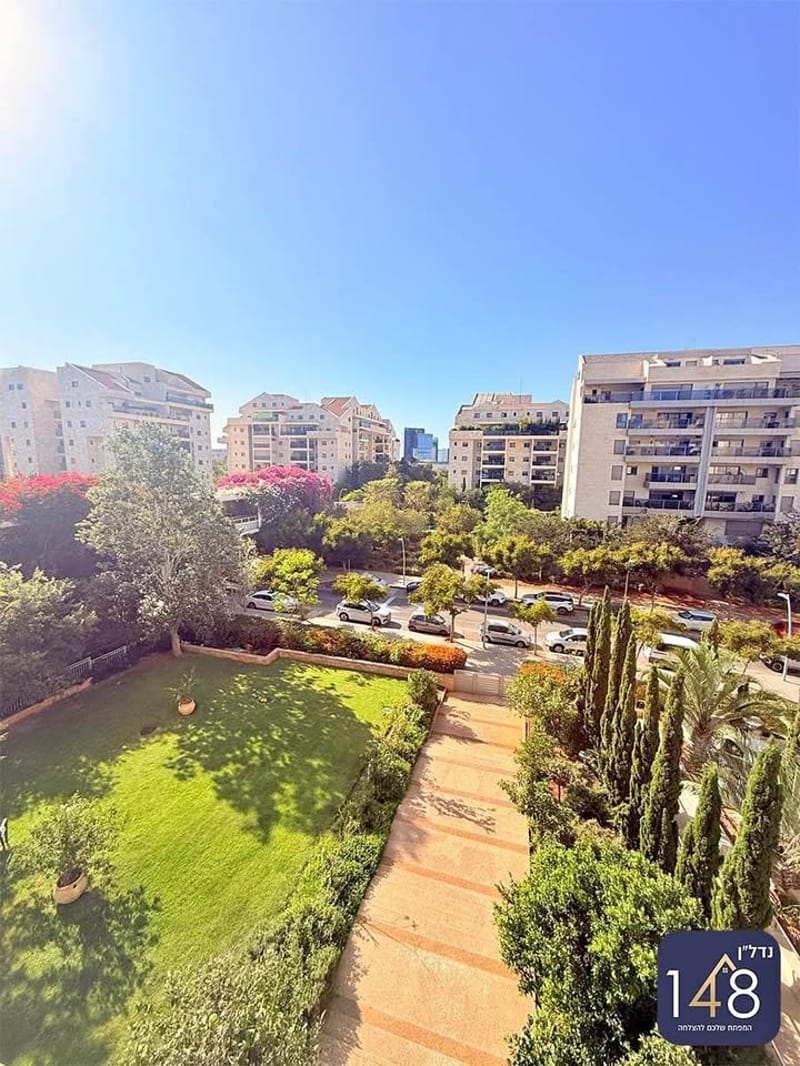
Raanana is the textbook definition of a manicured, green, bourgeois suburb, holding a well-deserved reputation as one of Israel's cleanest and best-managed cities. Daily life centers around family, community, and a top-tier education system. Its demographic mix is unique: a large and influential community of Olim (primarily English and French speakers) gives the city a polite, international flavor, existing alongside a harmonious blend of secular and Religious Zionist residents. Ahuza Street, which cuts through the city center, serves as the bustling heart of local commerce, dining, and cafes, though high-energy nightlife is absent; evenings are generally quiet, with the ultimate urban pastime being a stroll through the sprawling, picturesque Raanana Park. For anyone seeking a safe, well-administered, and peaceful environment, Raanana is an ideal choice.
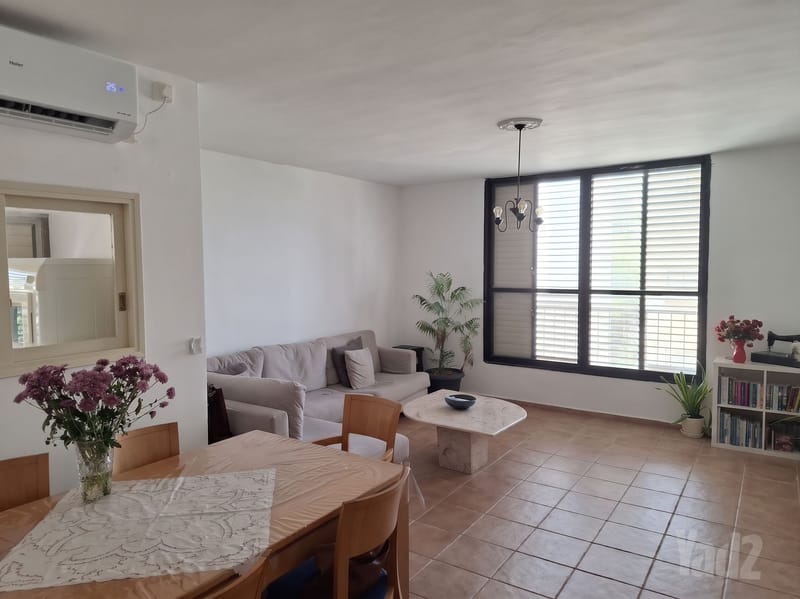
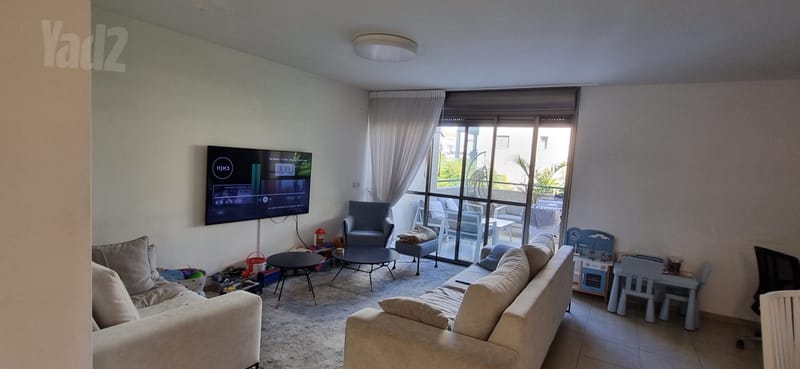
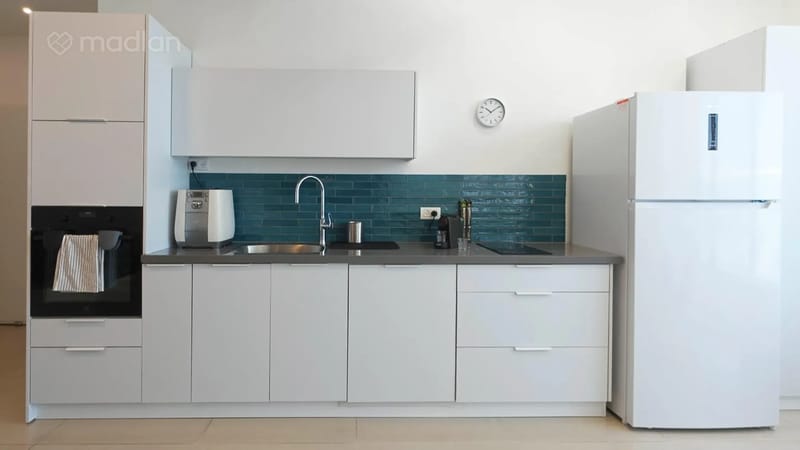
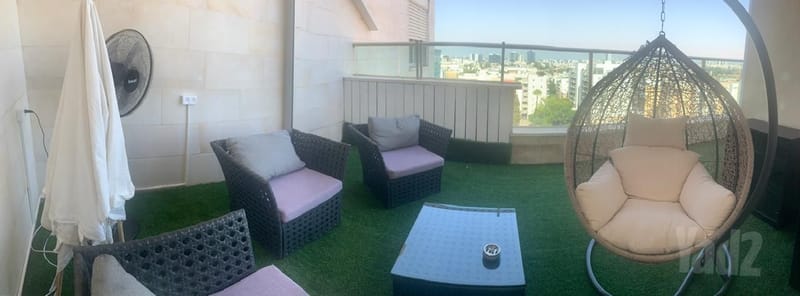
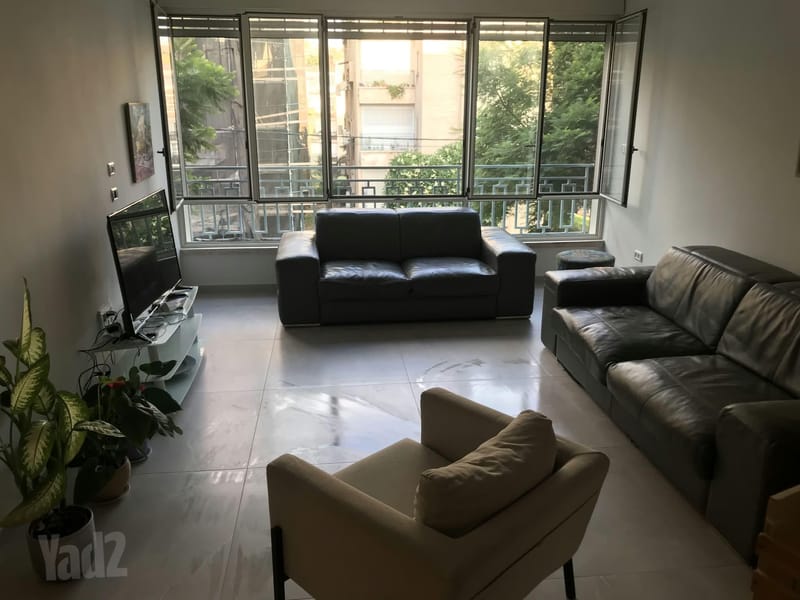
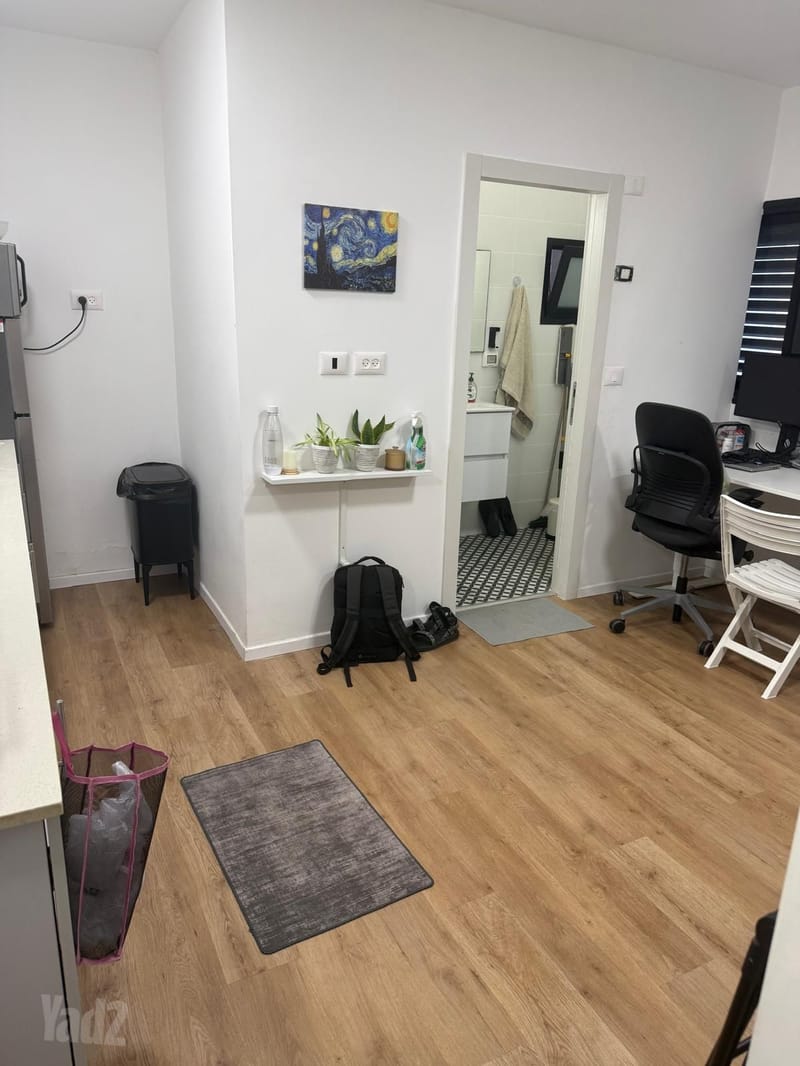
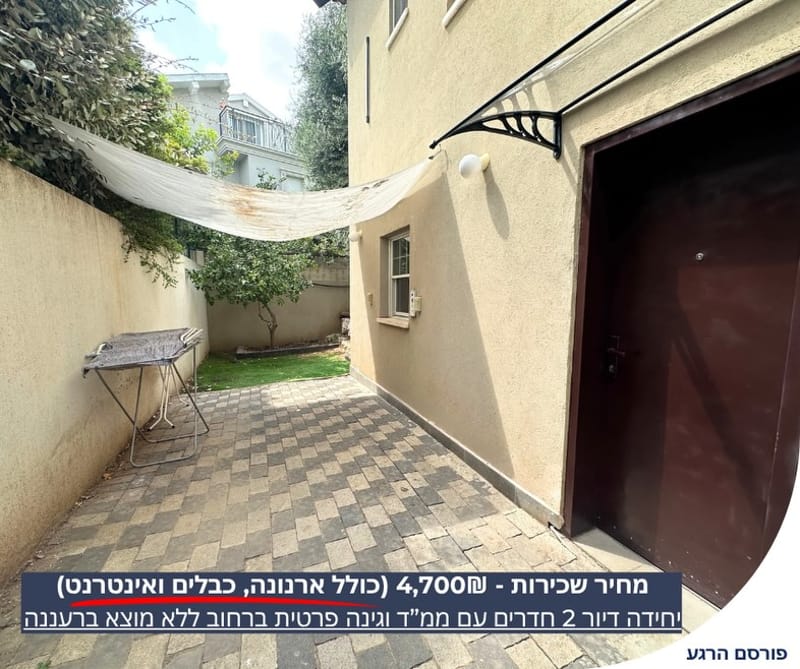
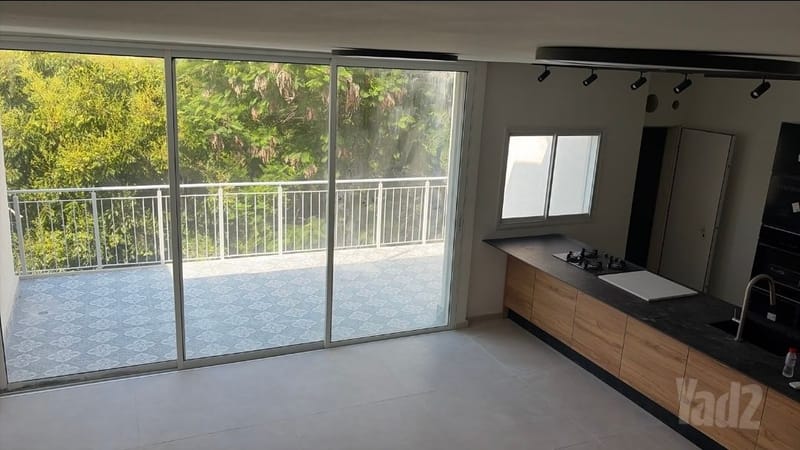
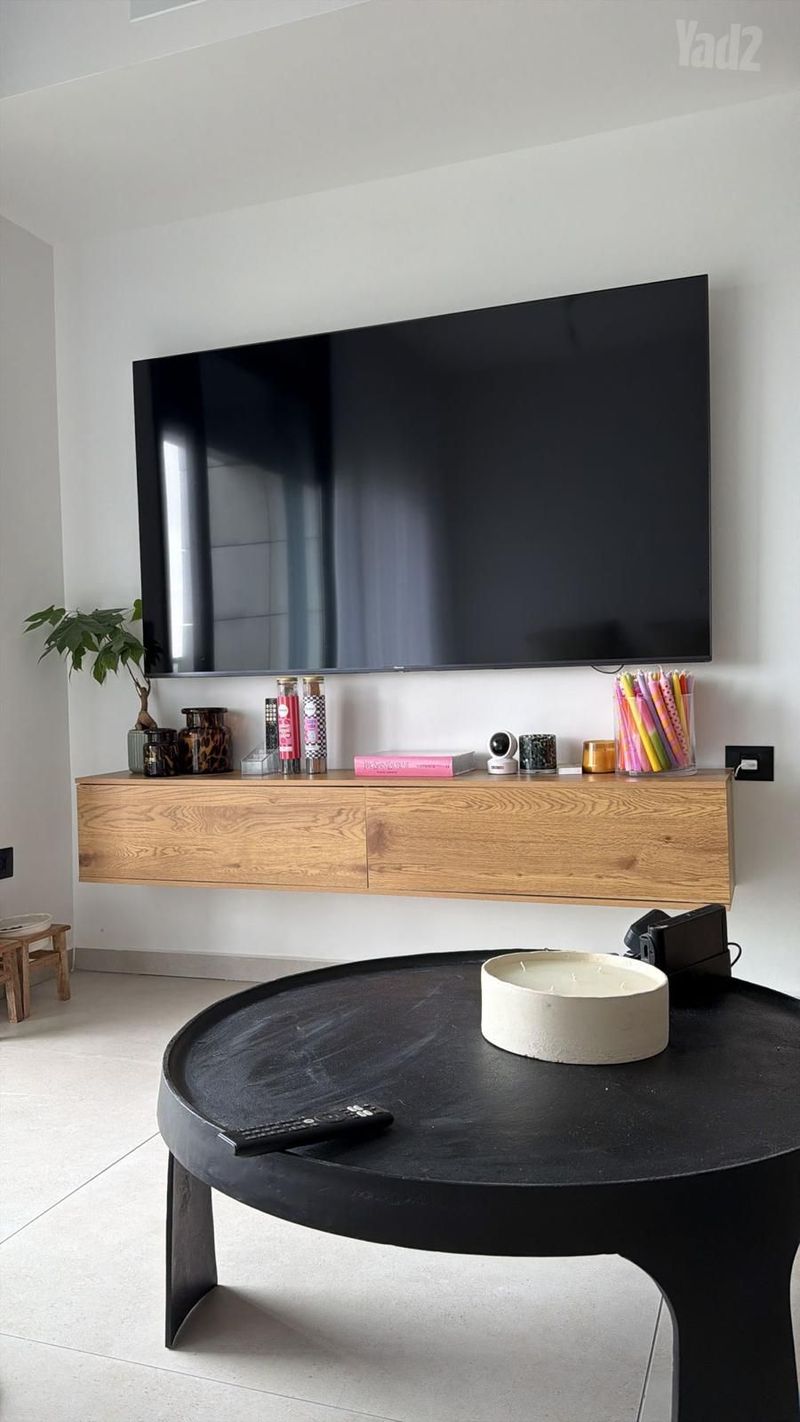
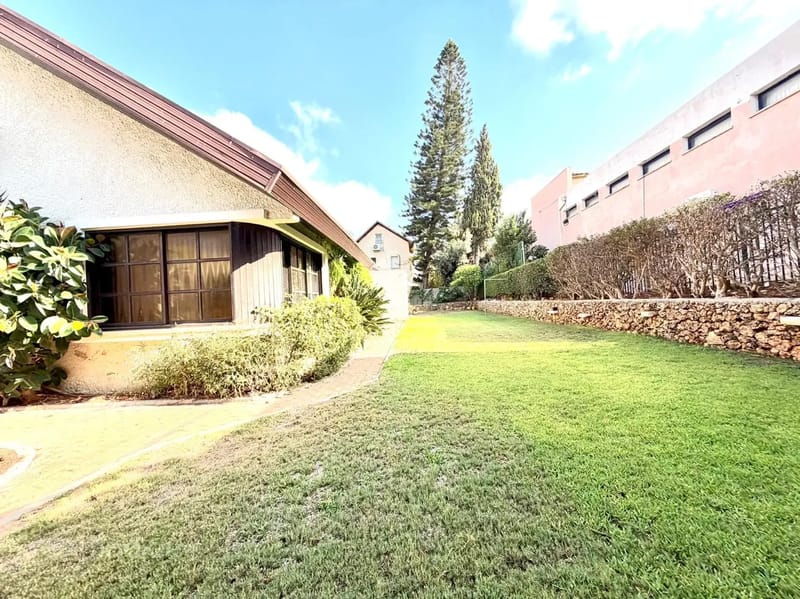
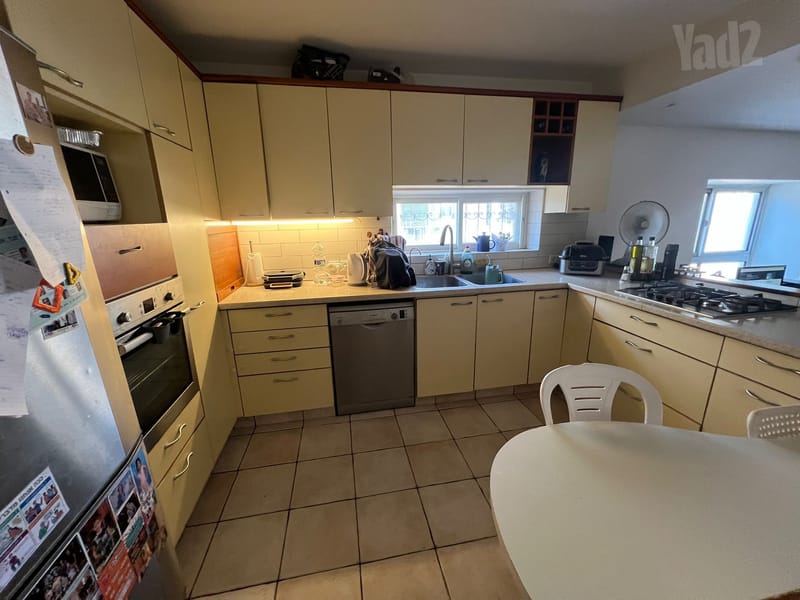
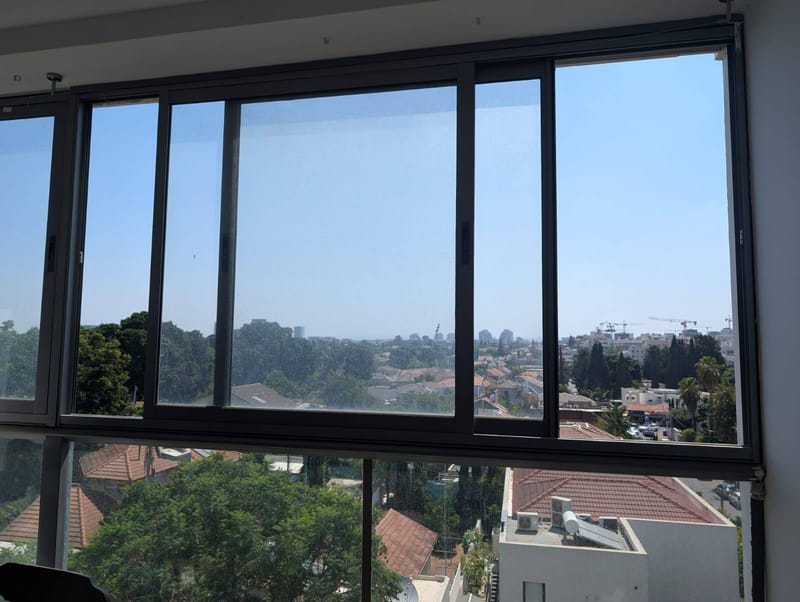
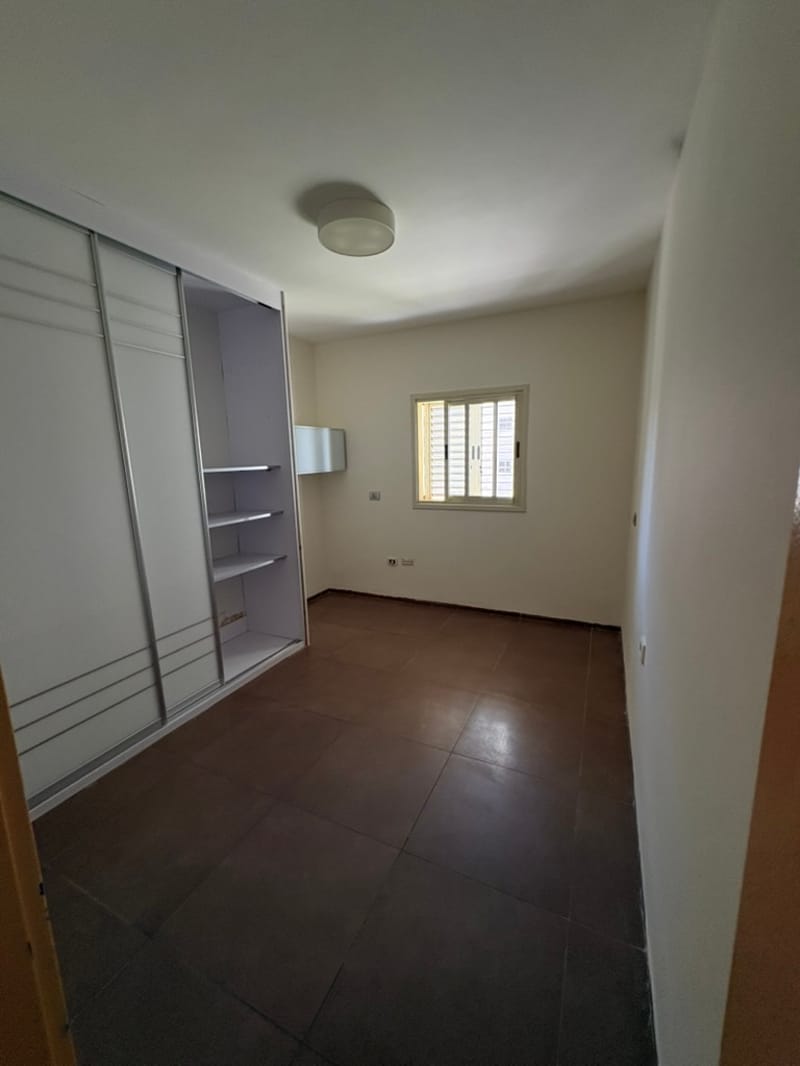
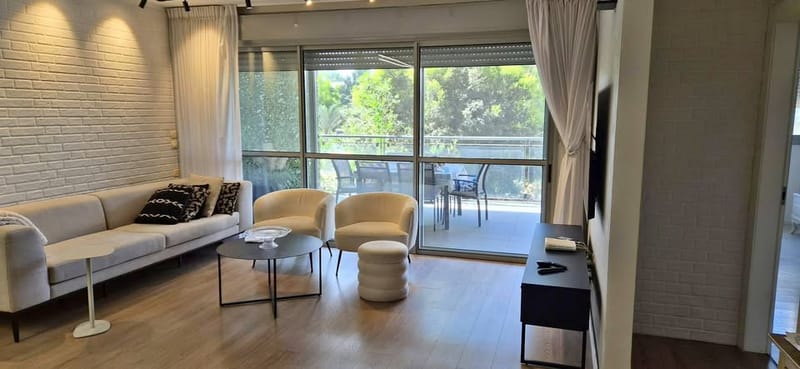
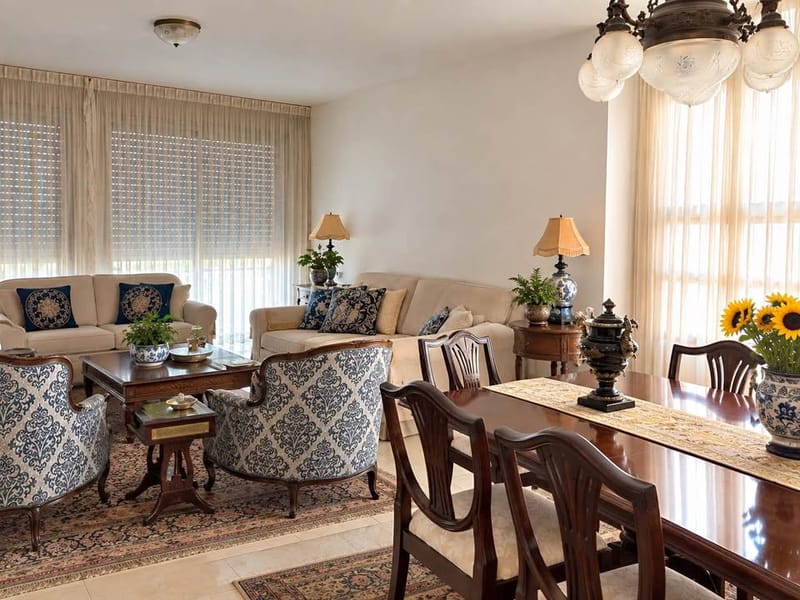
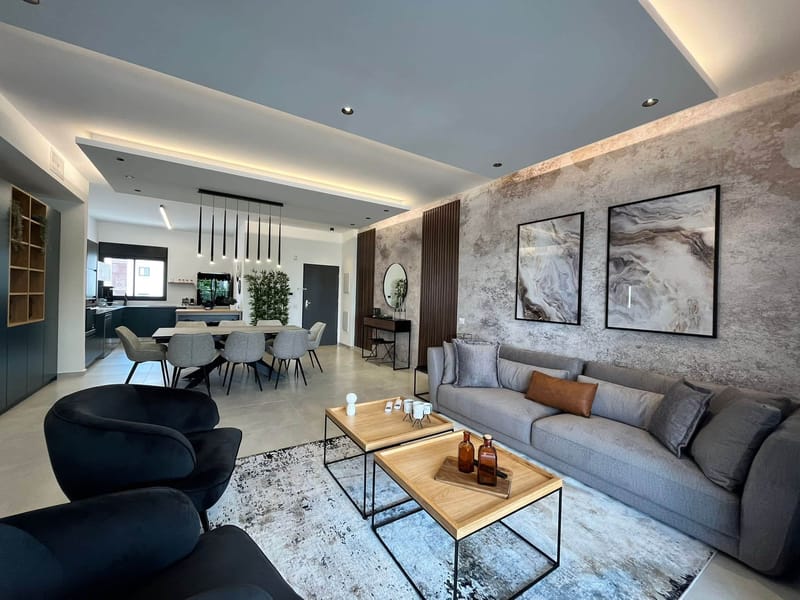
Raanana's rental market is expensive, highly competitive, and geared heavily toward families. Small 1- or 2-bedroom units are relatively scarce, with listings dominated by spacious 4- and 5-room family apartments or single-family homes. Near the city center along Ahuza and its side streets, you’ll find older residential buildings—many currently undergoing TAMA 38 urban renewal—where rent is somewhat more accessible. Moving outward toward western neighborhoods like Lev HaPark or the trendy Neve Zemer in the north, you'll find modern mid-rises with underground parking and adjacent parks, accompanied by a noticeable price jump. A significant driver of demand is school district zoning, with families willing to pay a premium to secure enrollment in the city’s top-rated schools.
Daily logistics within Raanana are pleasant, though leaving the city requires patience during rush hour. The town is mostly flat, green, and well-equipped with bike lanes, making walking or cycling inside the city easy and enjoyable. However, Ahuza Street frequently suffers from congestion throughout the day, and morning exits toward Highway 4 or Highway 531 are heavily backed up. The city's two train stations (Raanana South and Raanana West) provide great regional access, but sit along the southern perimeter, meaning most residents need a bus, car, or scooter ride to get to them. The trade-offs involve high living costs, traffic congestion at city exits, and urban renewal construction noise downtown—balanced by total peace of mind, tree-shaded streets, and an exceptional standard of living.
245 listings added in the last month · 59 already rented · Last updated today at 08:03
We use cookies to keep the site running, improve your browsing experience, analyze usage and personalize content and advertising. Learn more in our privacy policy.

 Try Dorit for Free