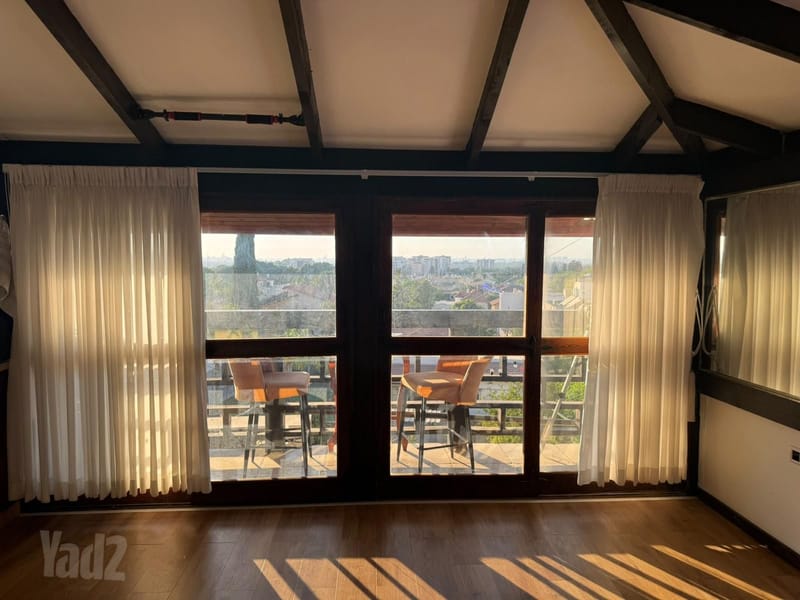
First-time visitors to Rosh HaAyin are usually surprised by the elevation and the greenery: unlike the flat coastal plain, here you climb hills with an evening breeze and open views all the way to Tel Aviv, while at the end of the street await the Migdal Tzedek and Tel Afek national parks and the Rosh HaAyin Forest. Within a decade, the city has doubled in size and today connects three distinct generations. In the west lie the veteran neighborhoods, featuring low-rise buildings, a municipal market on Yehuda Halevi Street, and a traditional atmosphere where most businesses close on Shabbat. In the middle sit the quiet nineties neighborhoods, and to the east stretches the new Psagot Afek—a kingdom of young families, parks, and meetups at Shafir Center (which, along with Park Afek, concentrates the restaurants and cafes that stay open on Shabbat). Anyone looking for community and immediate access to nature will feel at home here, as long as it is clear that for nightlife, you drive to Petah Tikva or Tel Aviv.
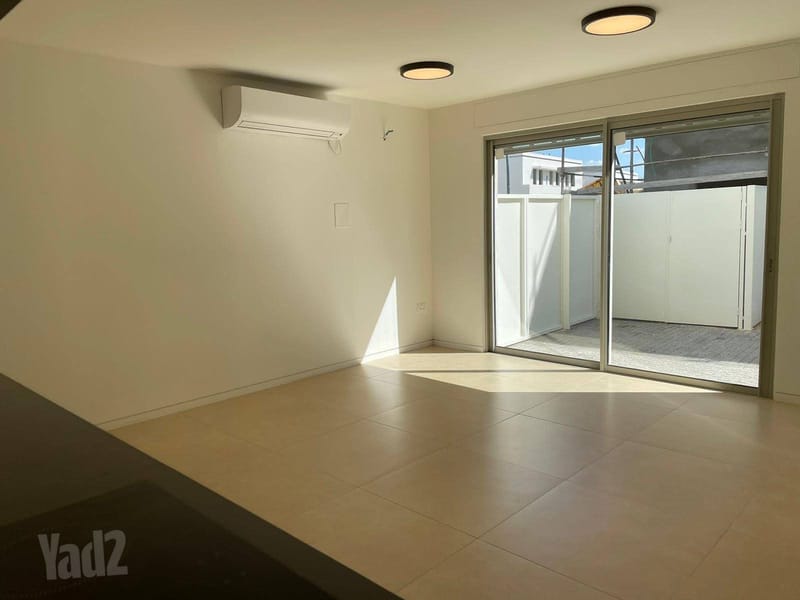
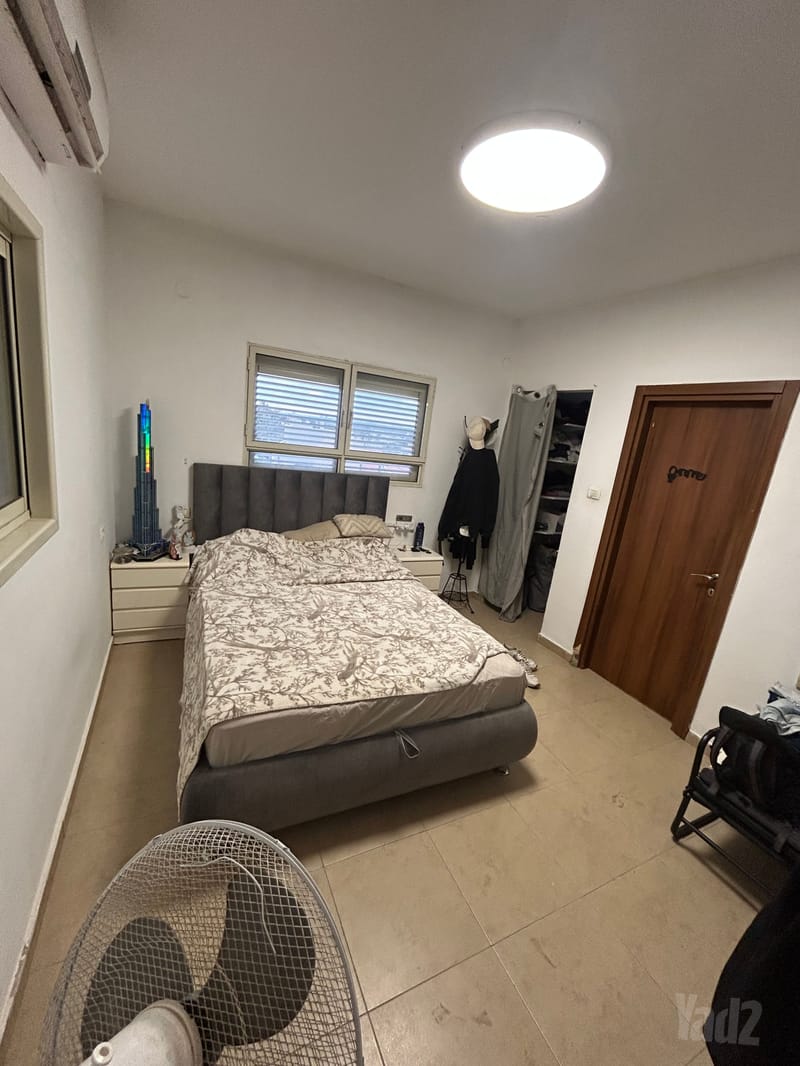
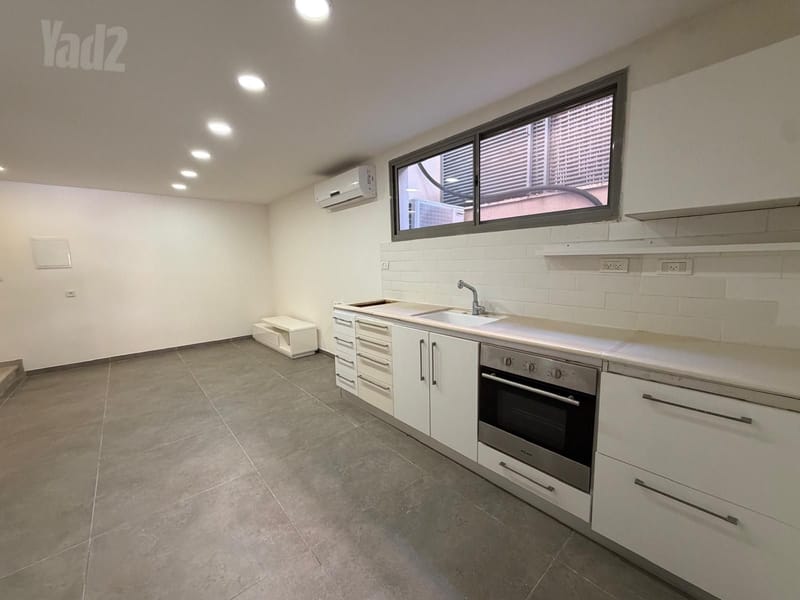
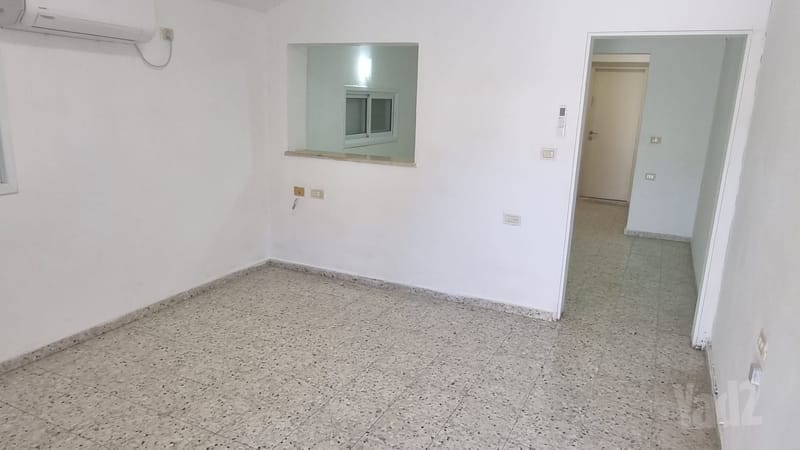
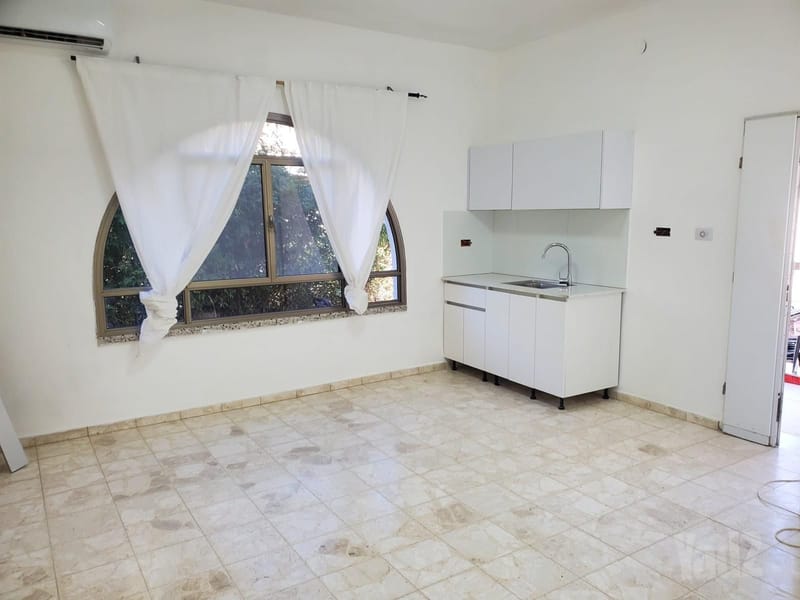
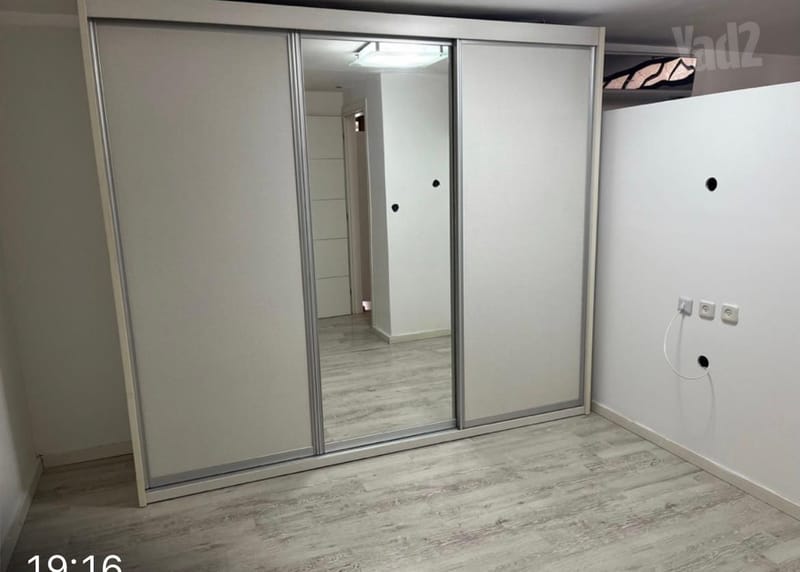
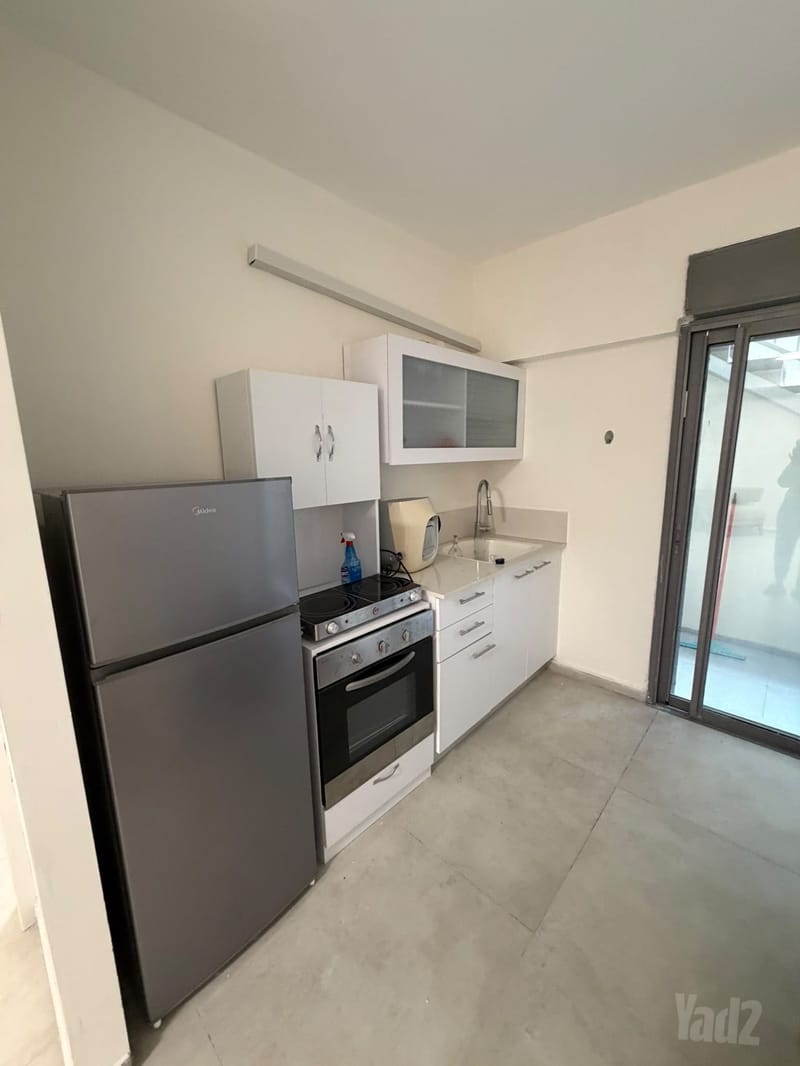
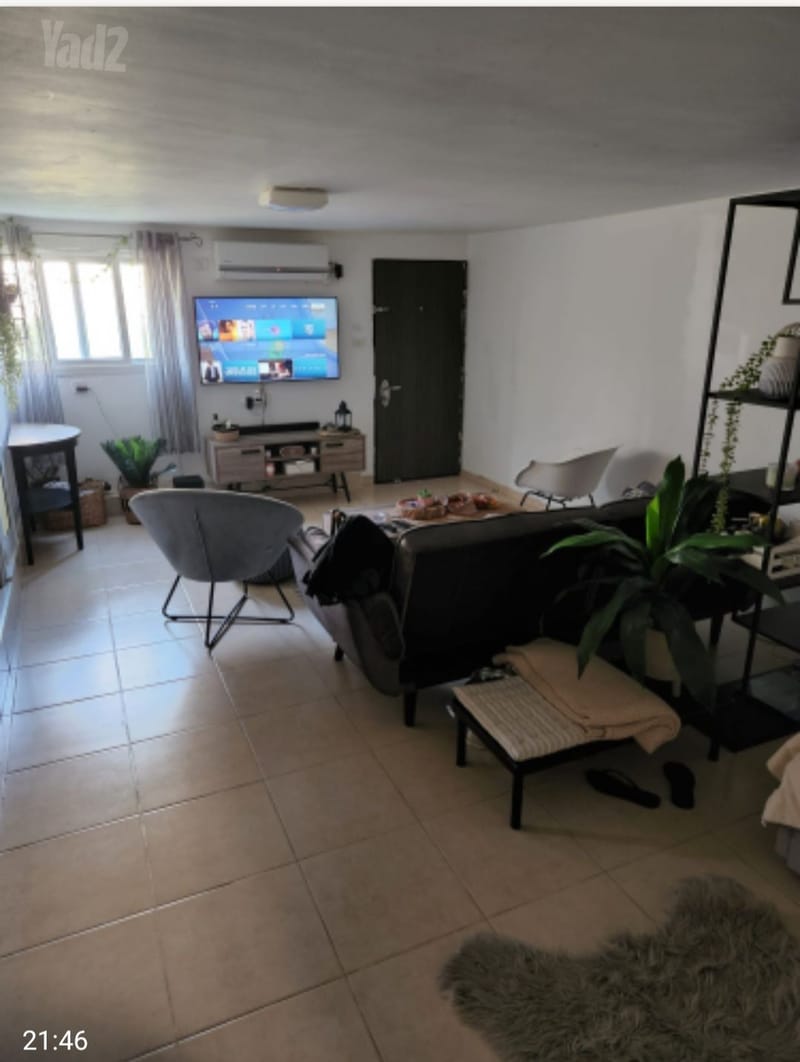
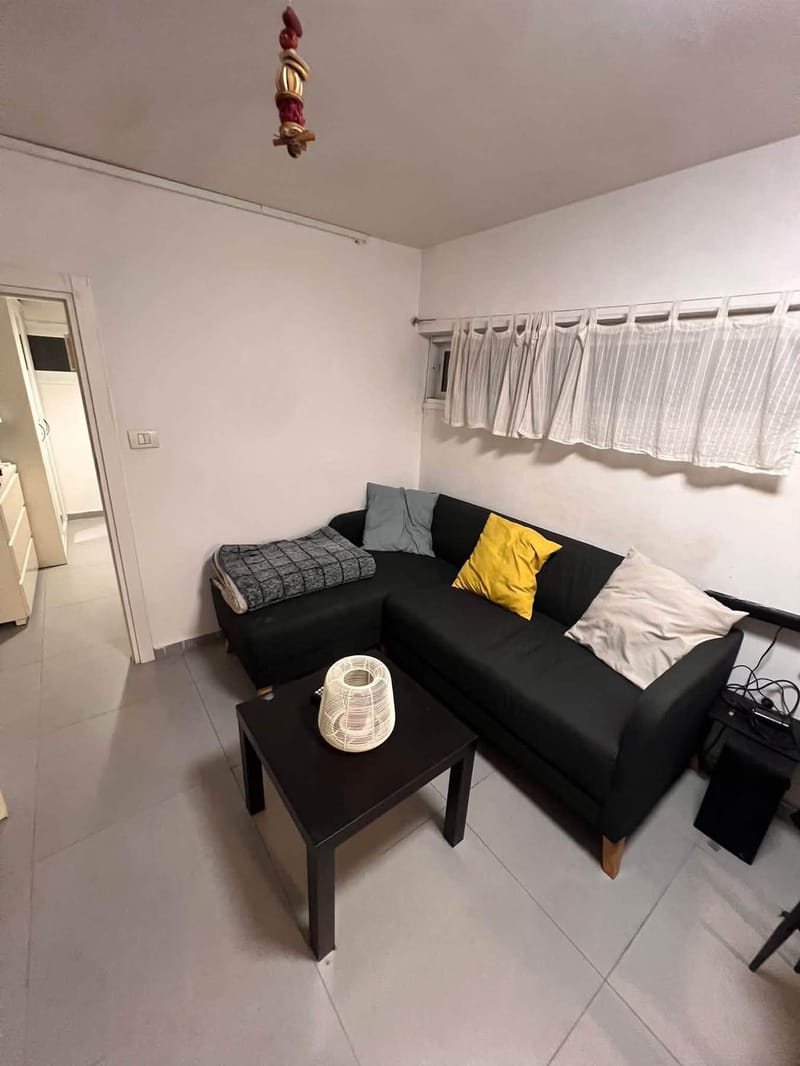
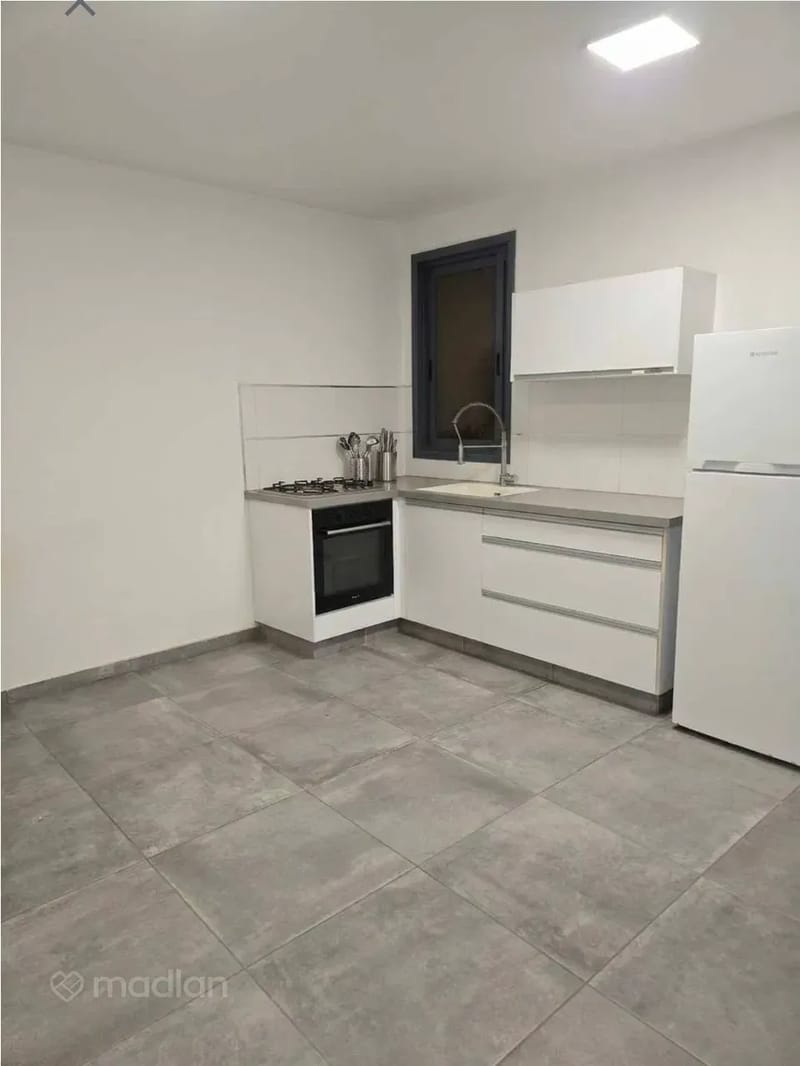
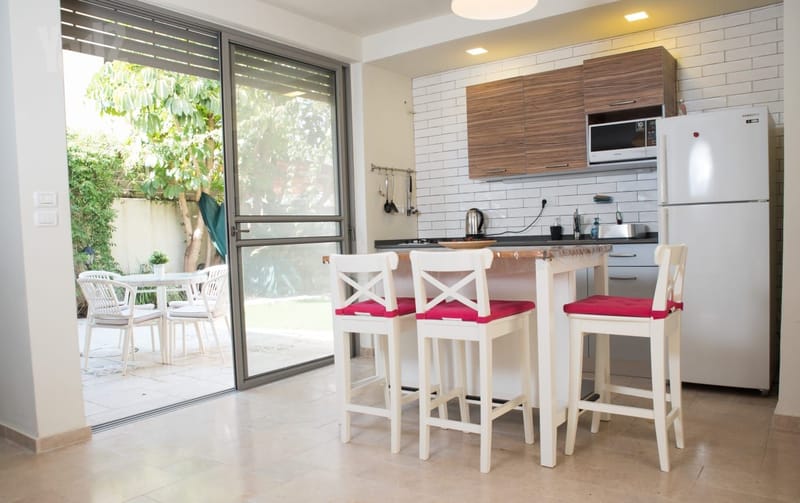
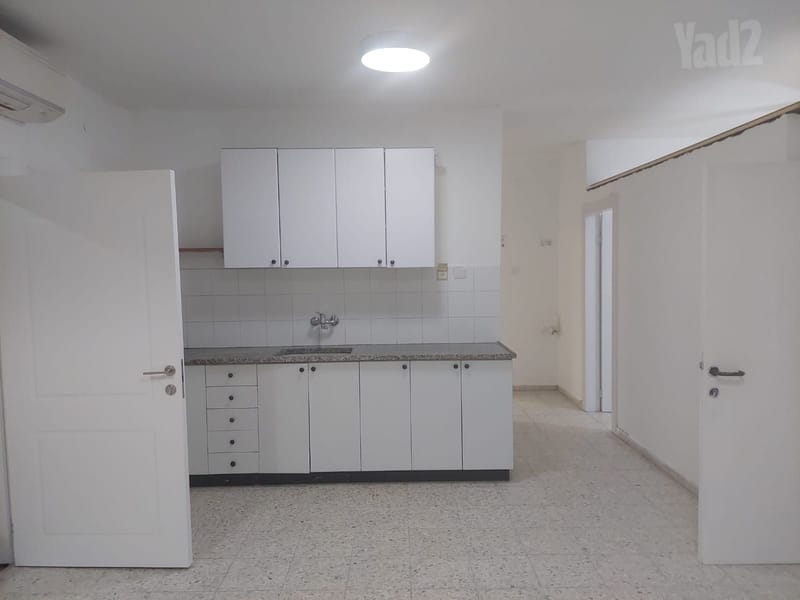
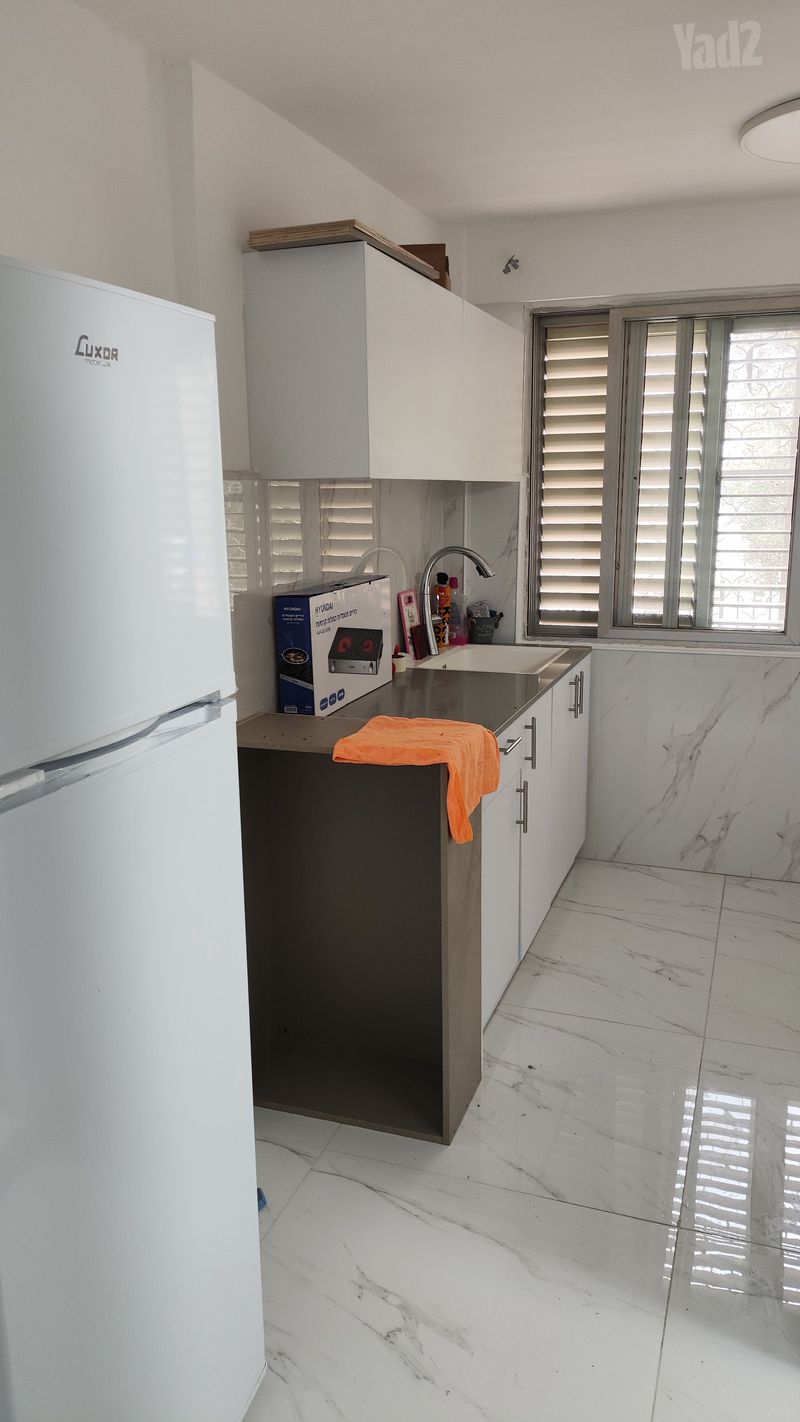
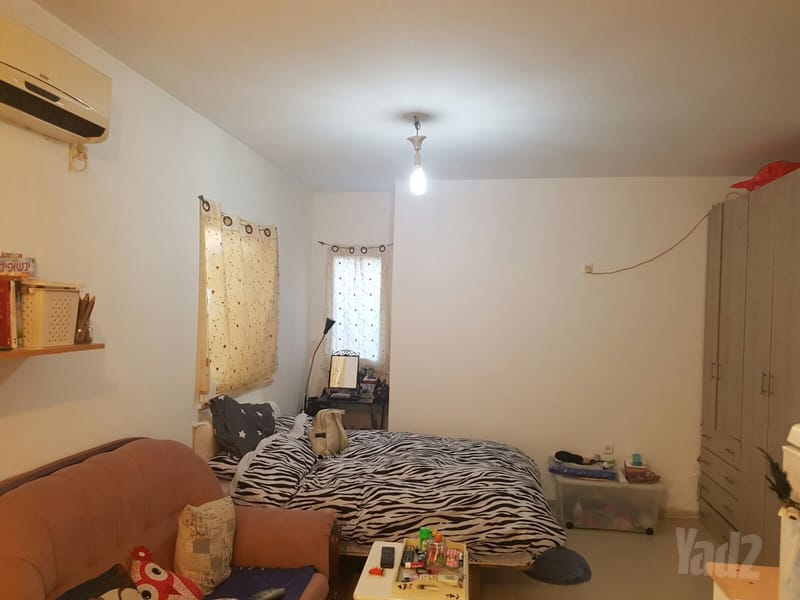
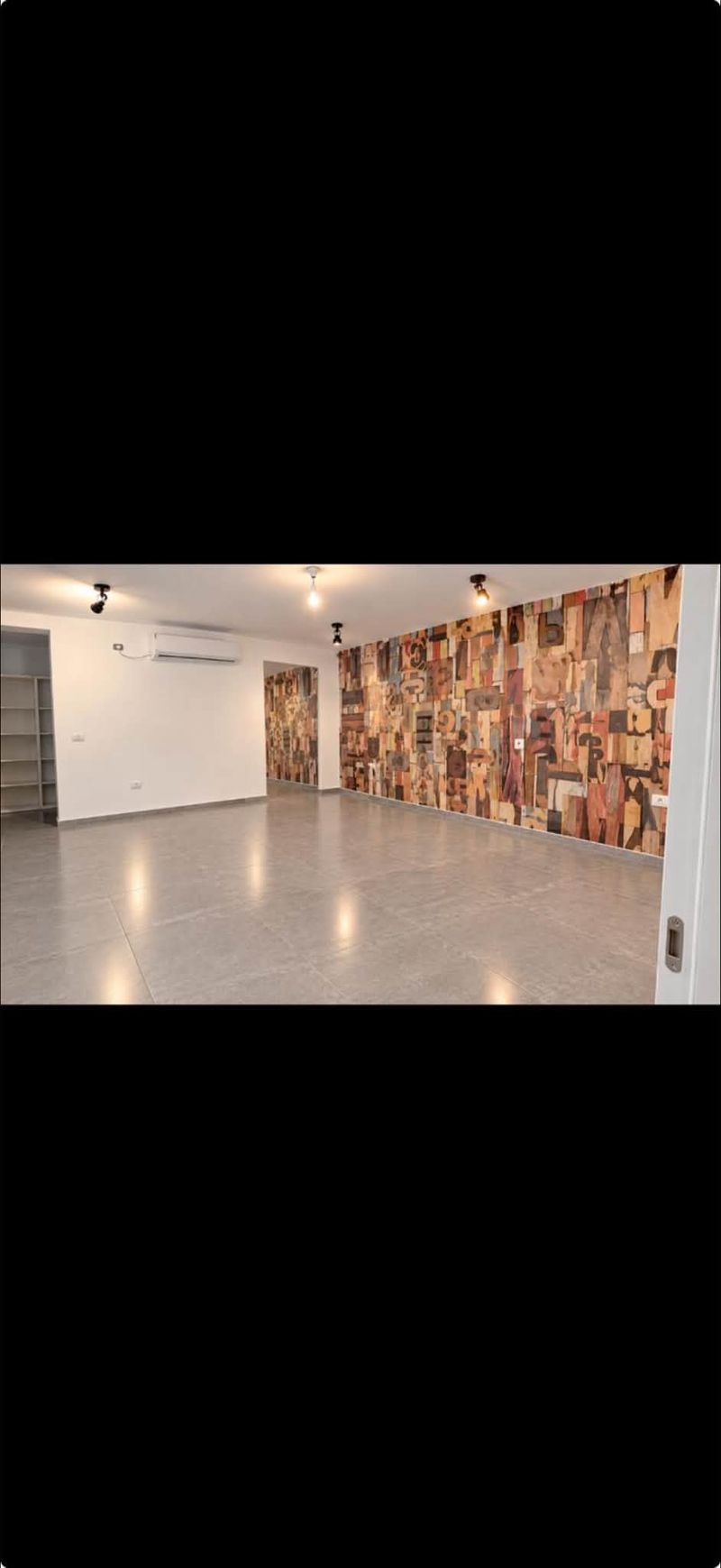
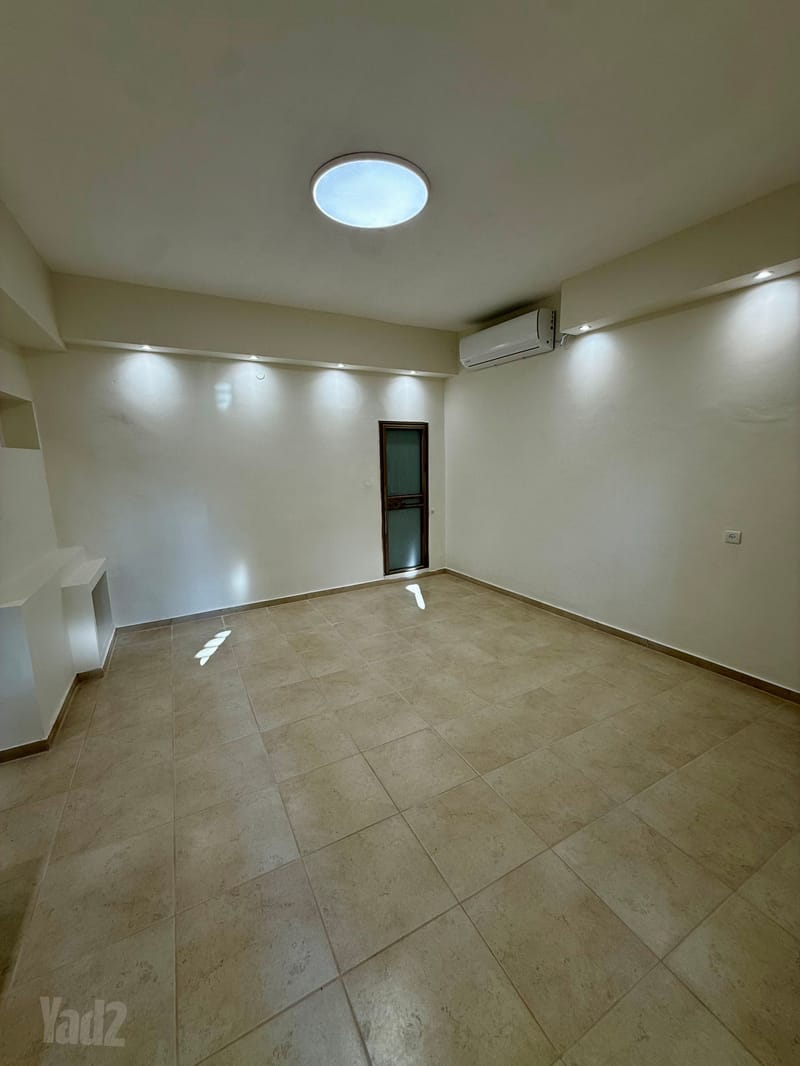
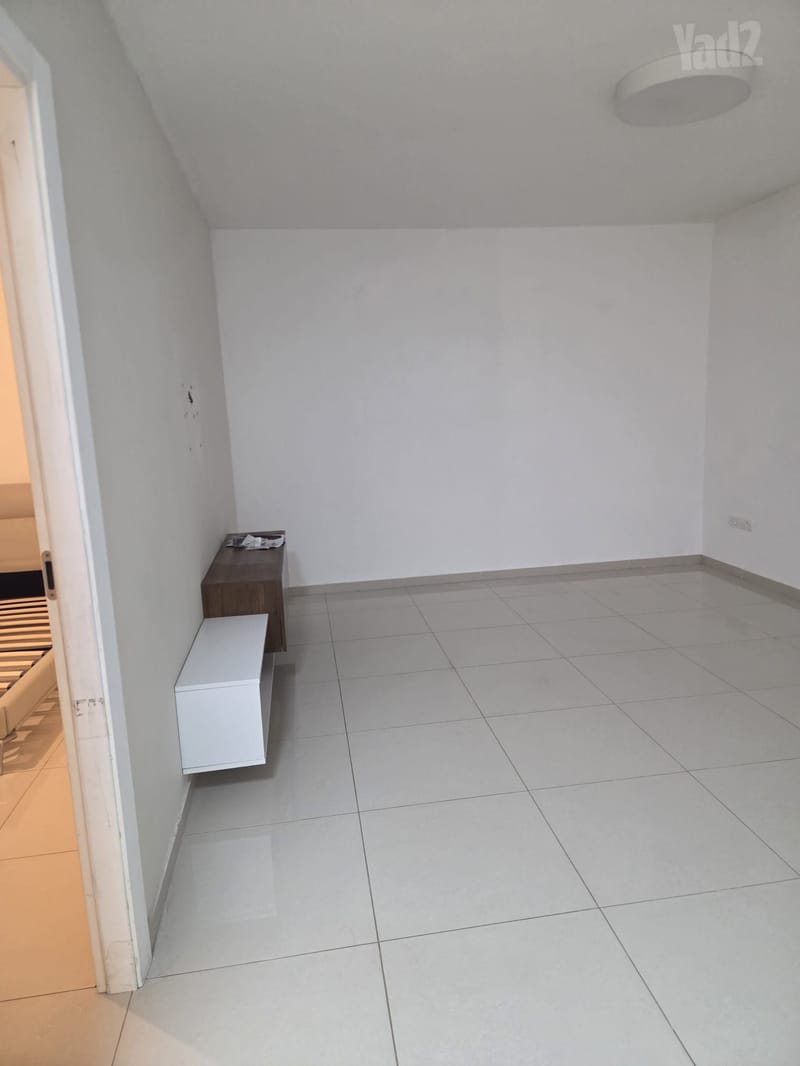
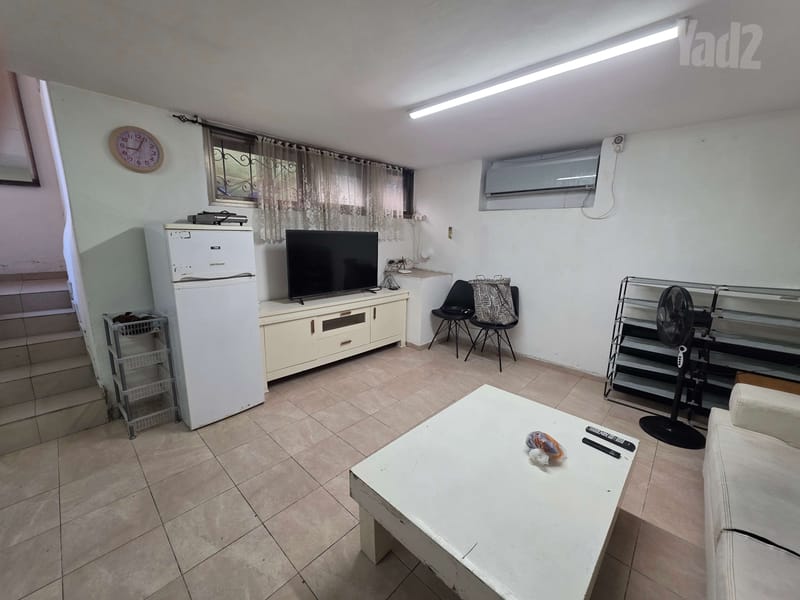
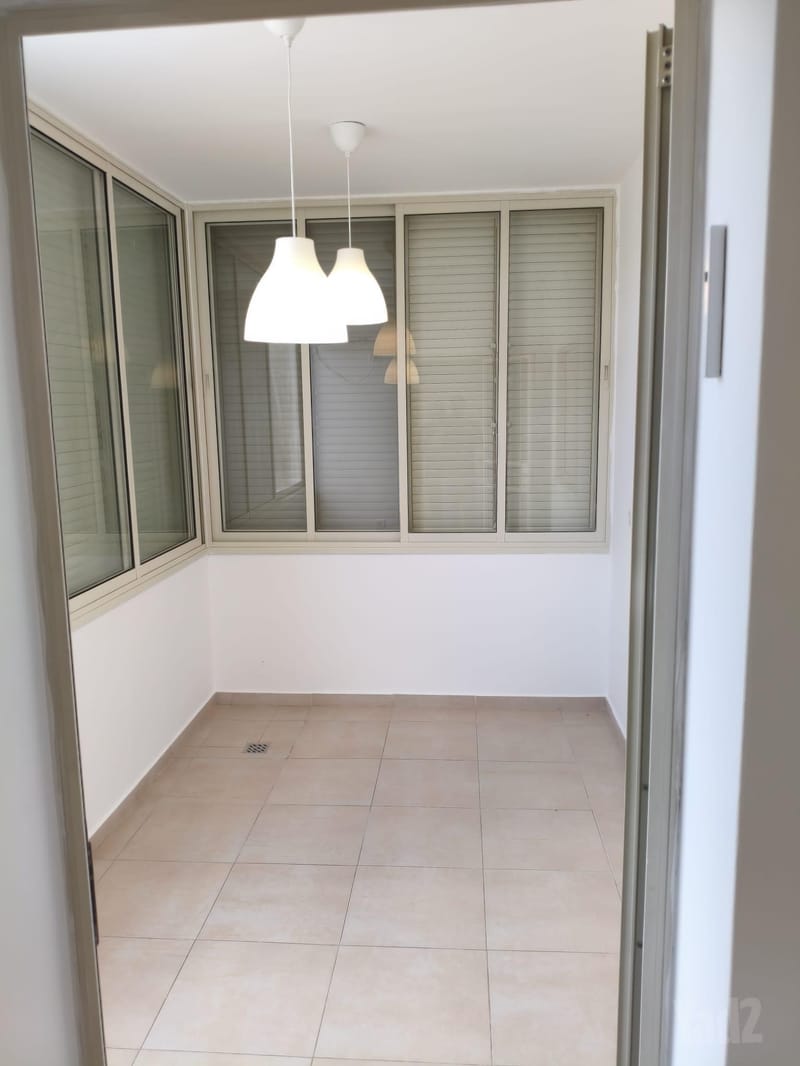
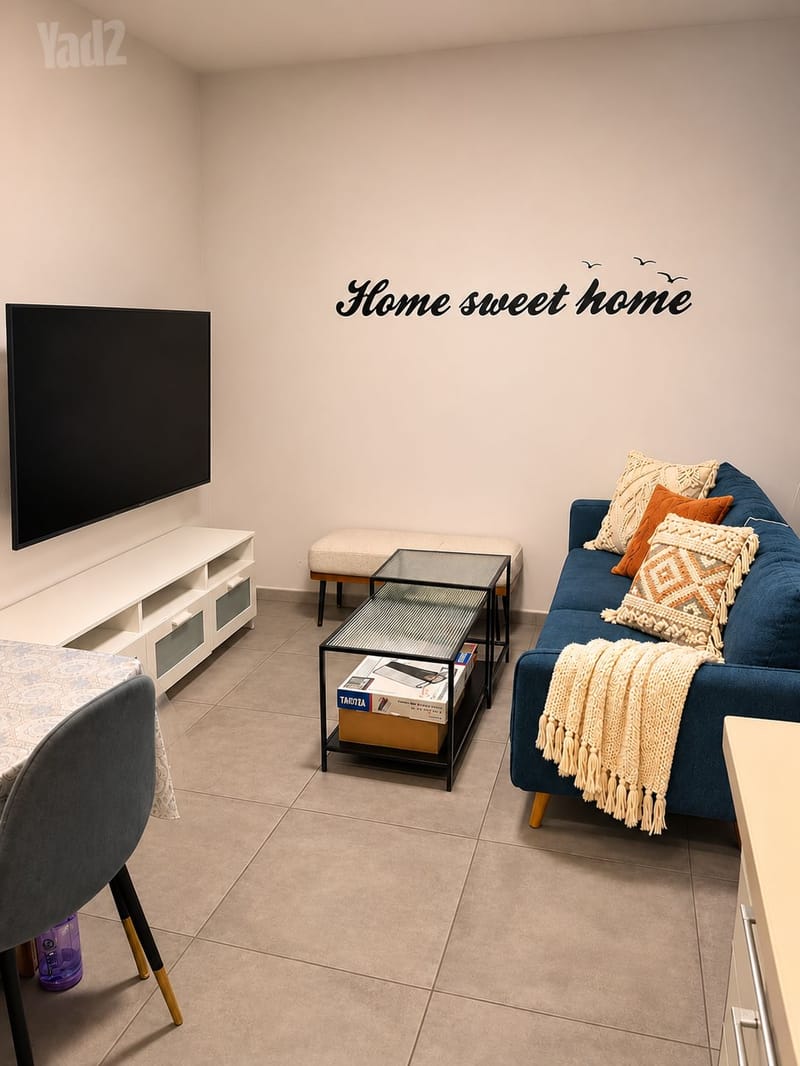
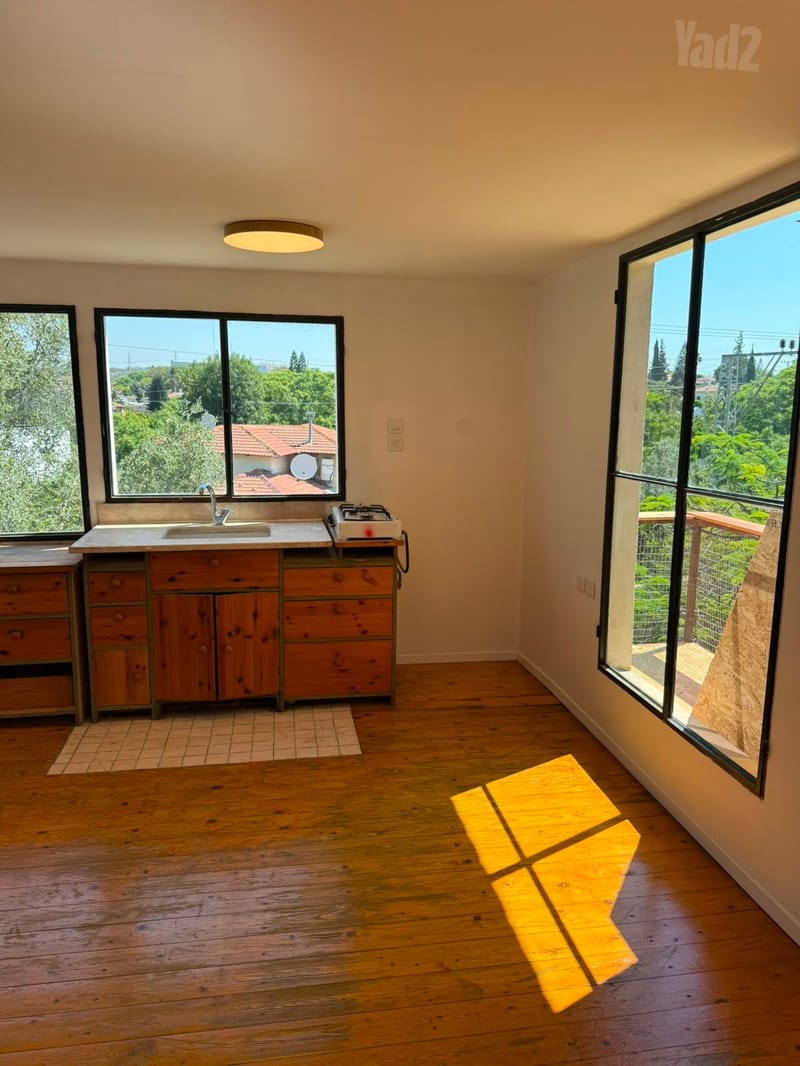
The rental market here is the opposite of most central cities: thanks to thousands of apartments bought as investments in the new neighborhoods, the city offers a wide, readily available supply of new 3- to 5-room apartments. In Psagot Afek's complexes, such as lively HaOmanim or higher, quieter HaNeviim, you will always find a MAMAD, balcony, elevator, and underground parking, though in many state-lottery apartments the interior finishes are basic and worth inspecting closely. The trade-offs in the new builds are relatively high building maintenance fees and arnona (municipal property tax), a shortage of guest parking in the evenings, and construction sites near complexes C, D, and F, which are still developing. In the intermediate neighborhoods like Givat HaSlaim, supply is limited and focuses on cottages and garden apartments, while in veteran neighborhoods like Shabazi you will find old public housing blocks (where Pinui-Binui urban renewal is still in planning) alongside accessory dwelling units in the yards of private homes.
Your daily commute depends heavily on which side of town you live on. On the map, the city sits ideally on Routes 5, 6, and 444, with the Rosh HaAyin North train station connecting to the Sharon Loop, Tel Aviv, and the new northern section of the Eastern Railway (while its southern extension to Lod is under construction, and the Metro belongs to the next decade). In practice, the train station is on the northwestern edge and the city's slopes make walking or riding a regular bicycle tough, so a private car is almost mandatory. In the mornings, getting out of Psagot Afek toward Route 5 or the train creates a prolonged bottleneck while still inside the city—which is why many commuters prefer the west side of town or the towers of the Nofarim neighborhood right by the exit, while bus lanes and a new bridge to the train station are currently being built at the Kesem Interchange. Ultimately, Rosh HaAyin is tailor-made for those who want a new apartment, hill air, and nature right next door, and are willing to trade walkability and a quick morning exit for a green, family-oriented routine.

 Try Dorit for Free