Tel Aviv is the center of everything in Israel — work, nightlife, culture, tech, the beach, the mess of it all. It's loud, crowded, and overwhelmingly young. You'll be surrounded by people in their 20s and 30s, a big international crowd, students, and a strong LGBTQ+ scene. The pace is fast, people eat out constantly, Shabbat barely registers in the secular parts of the city, and daily life basically runs on cafés, scooters, and the Mediterranean. If you want quiet, this isn't it. If you want to be where things happen, nothing else in the country really compares.
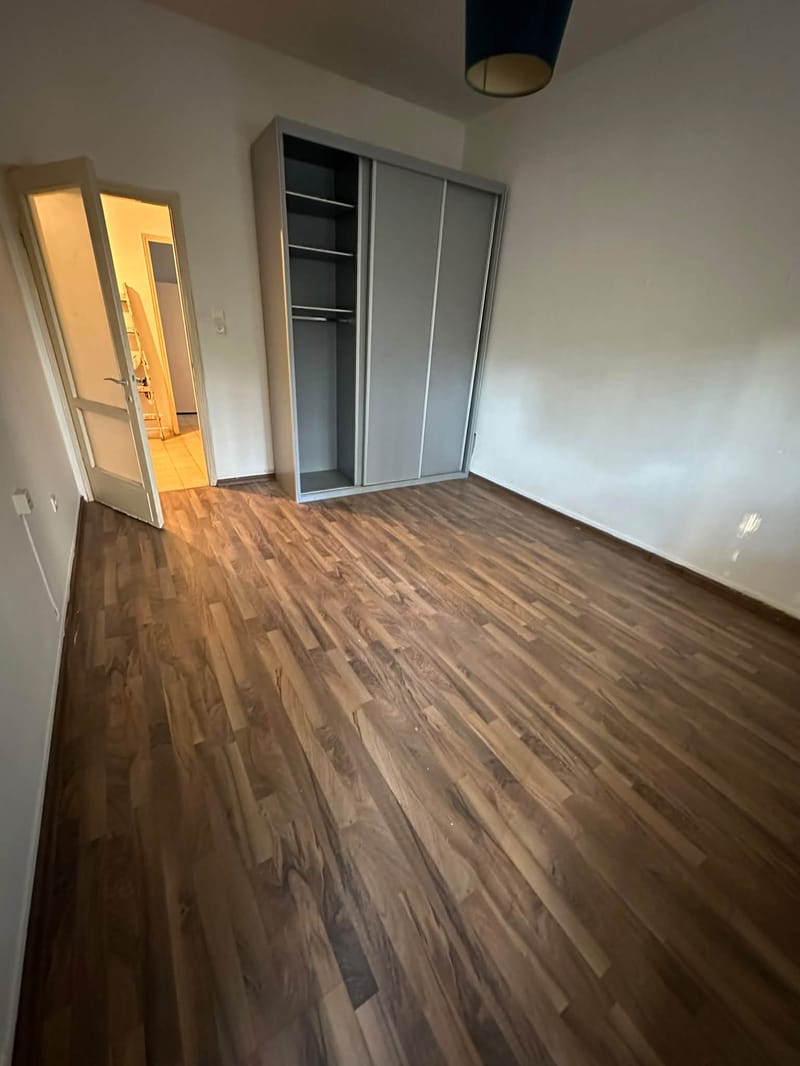
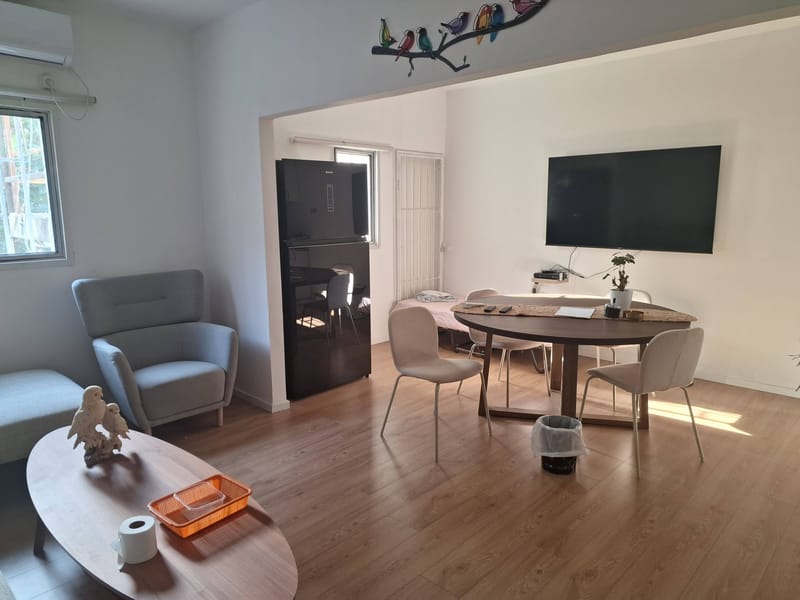
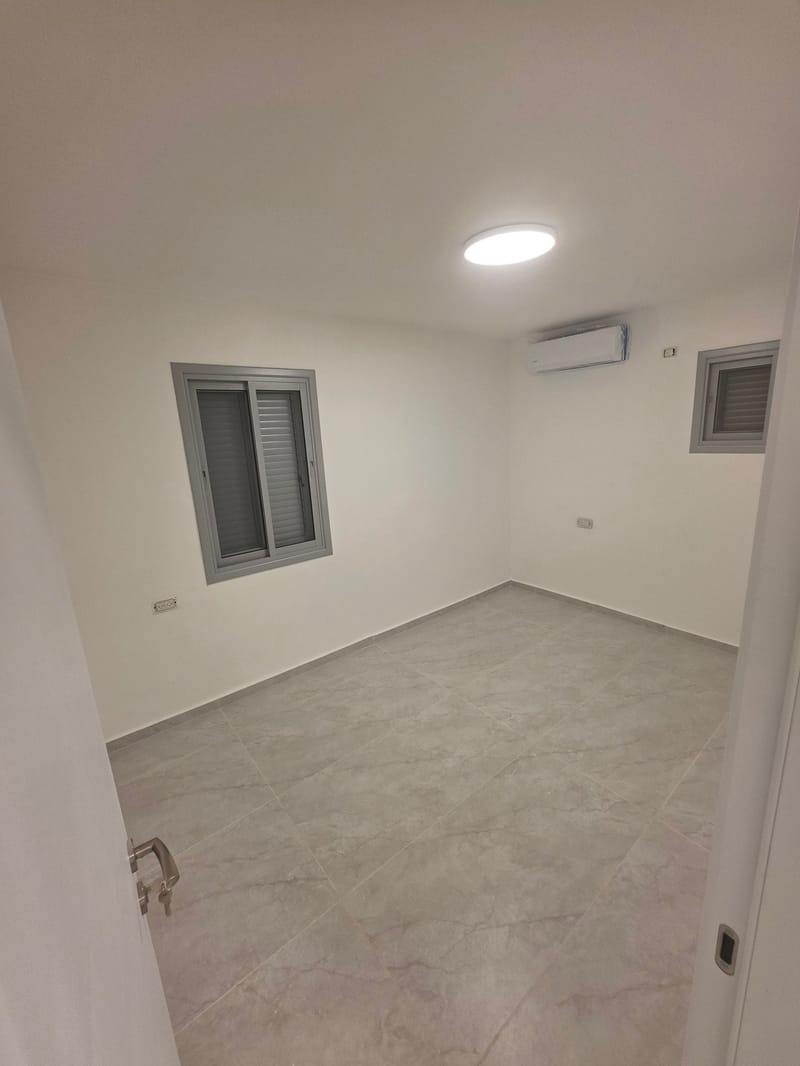
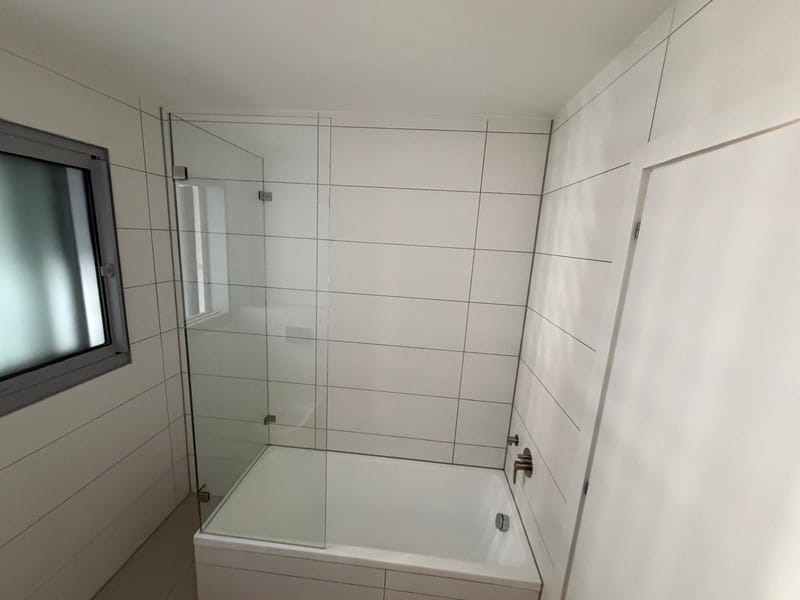
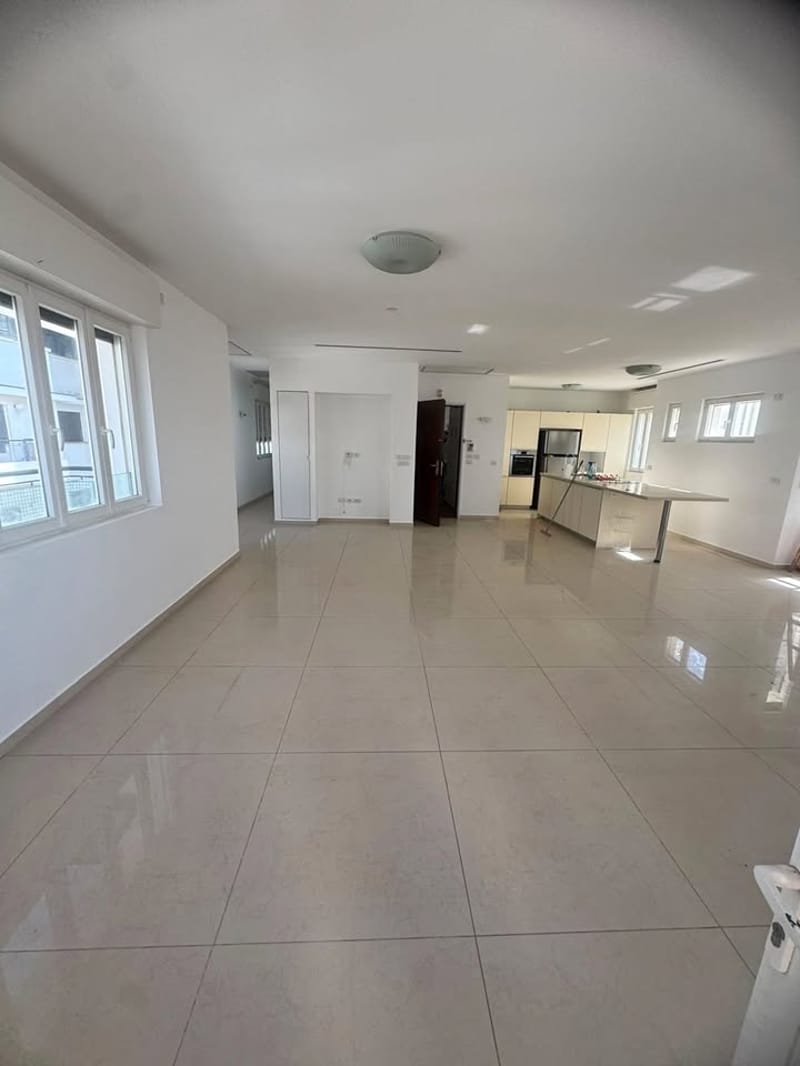
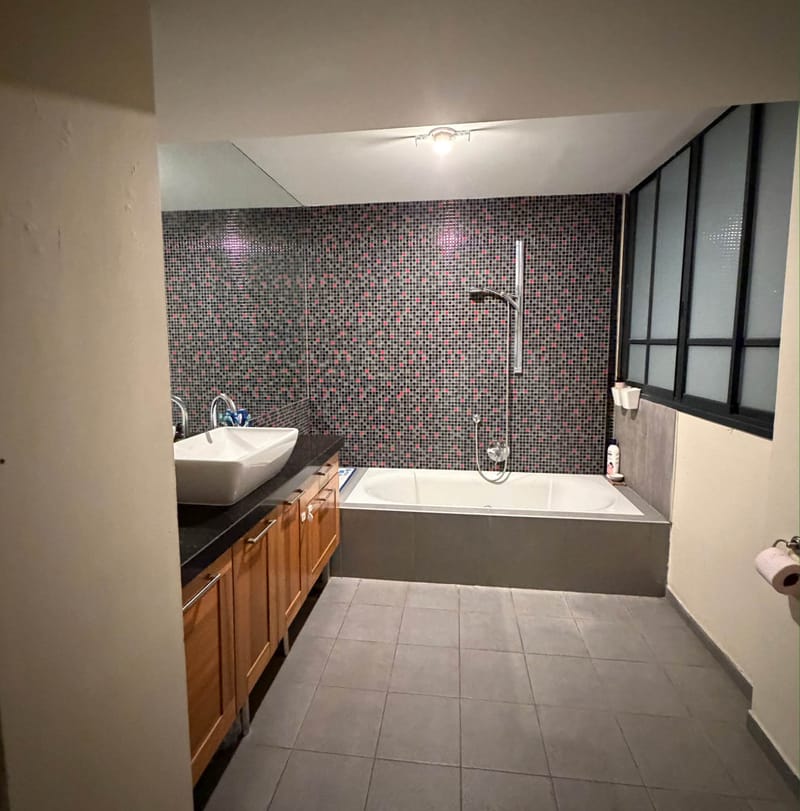
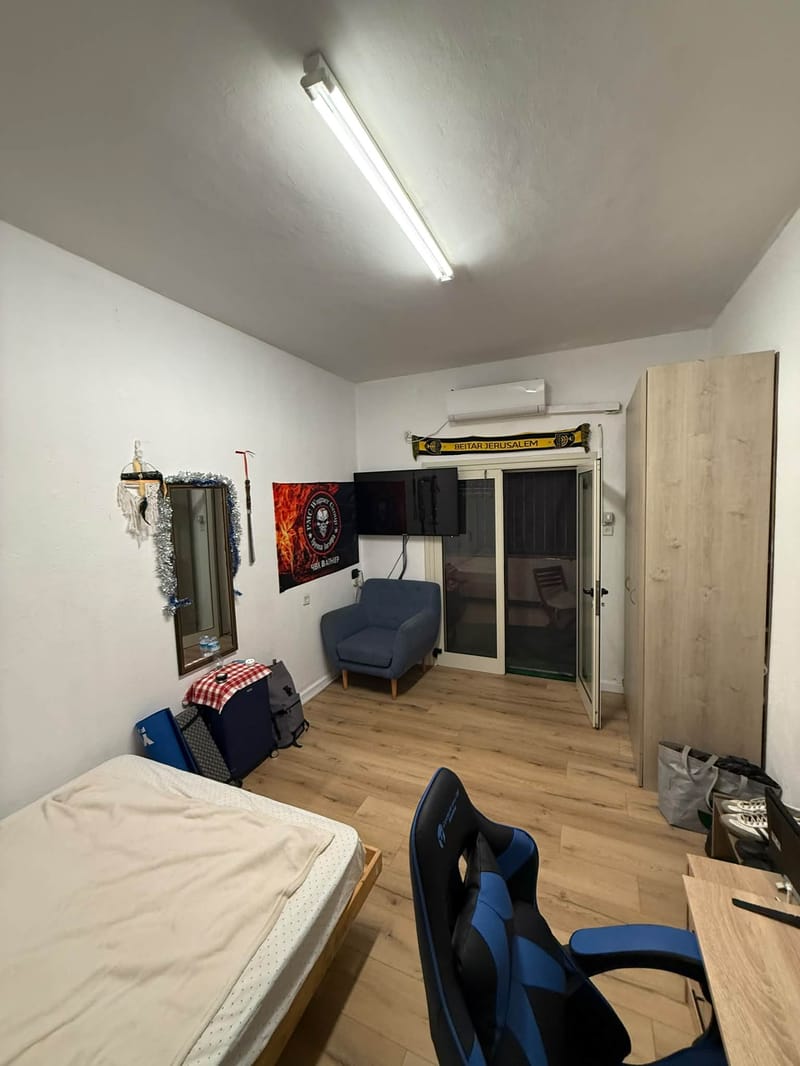
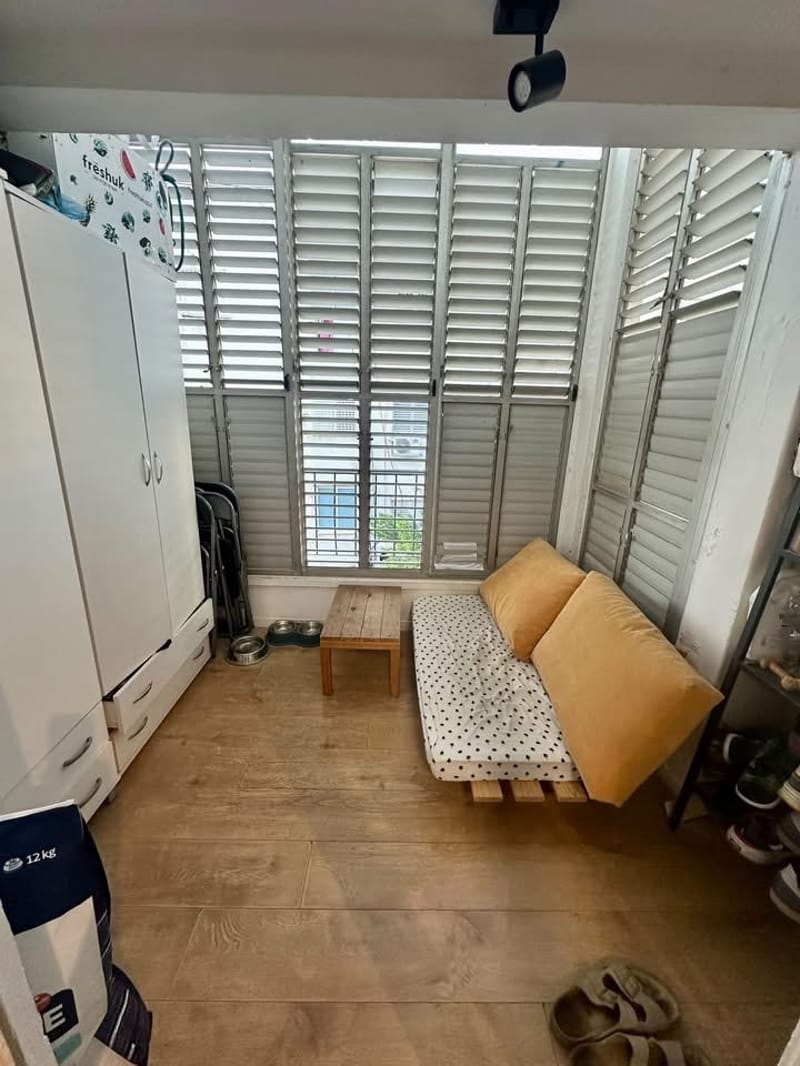
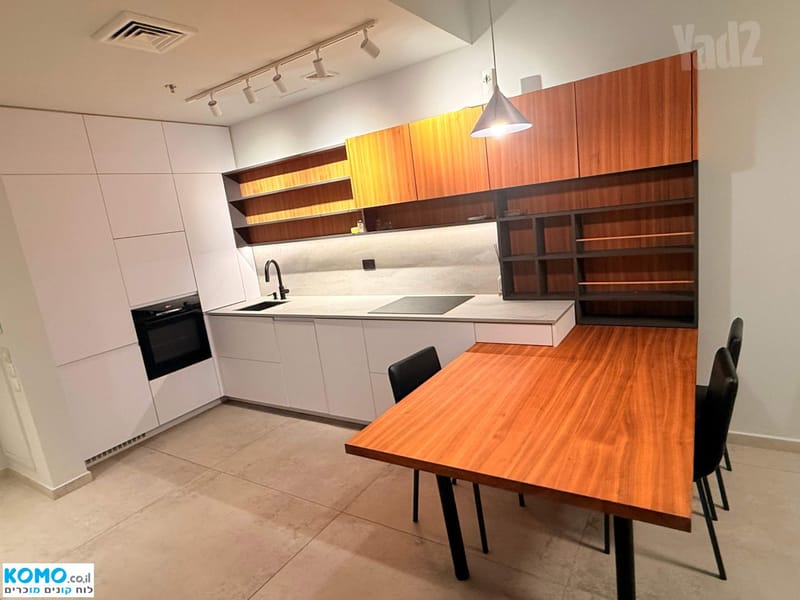
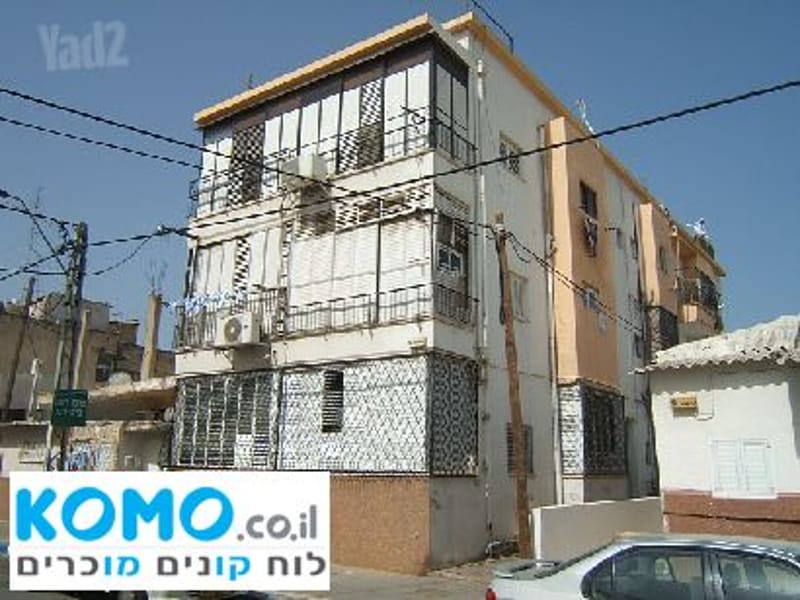
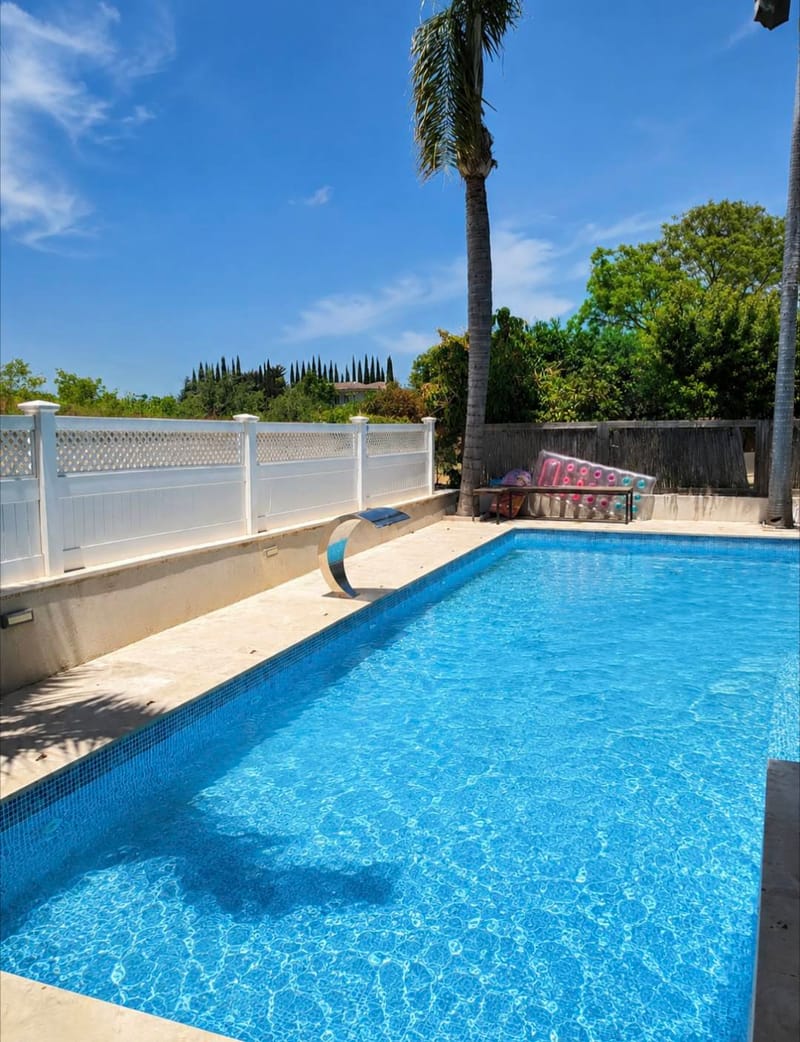
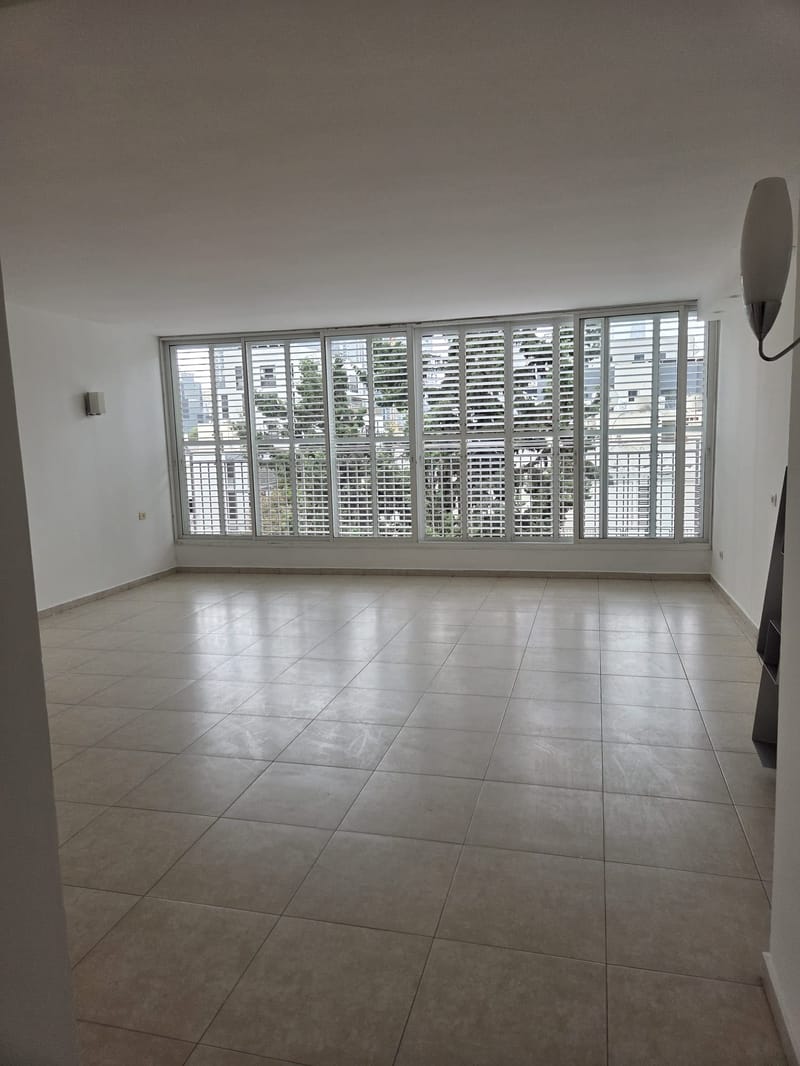
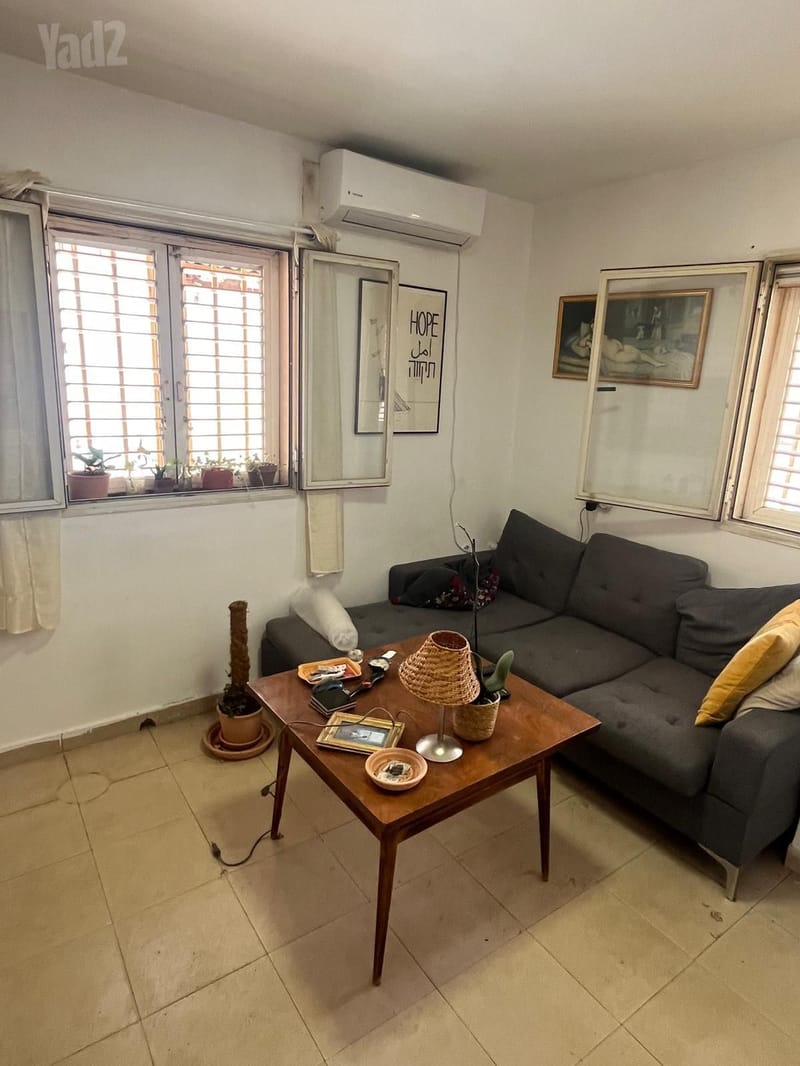
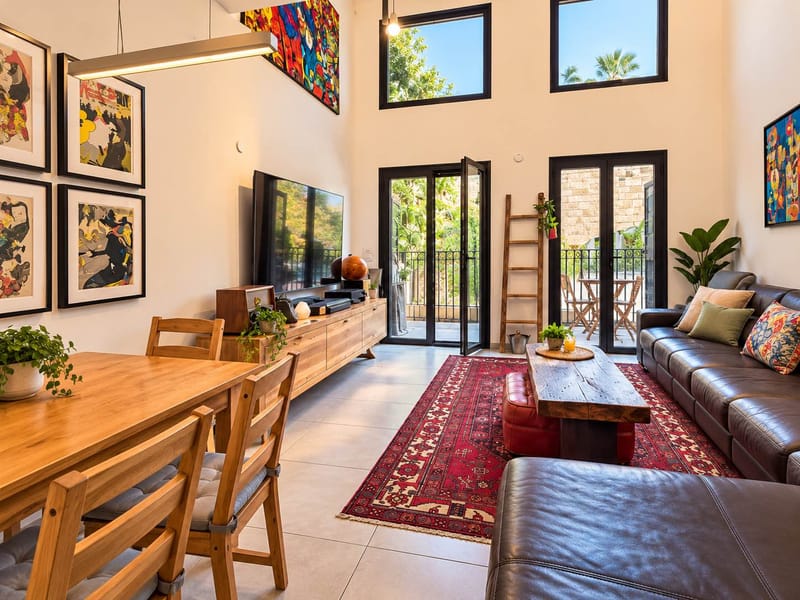
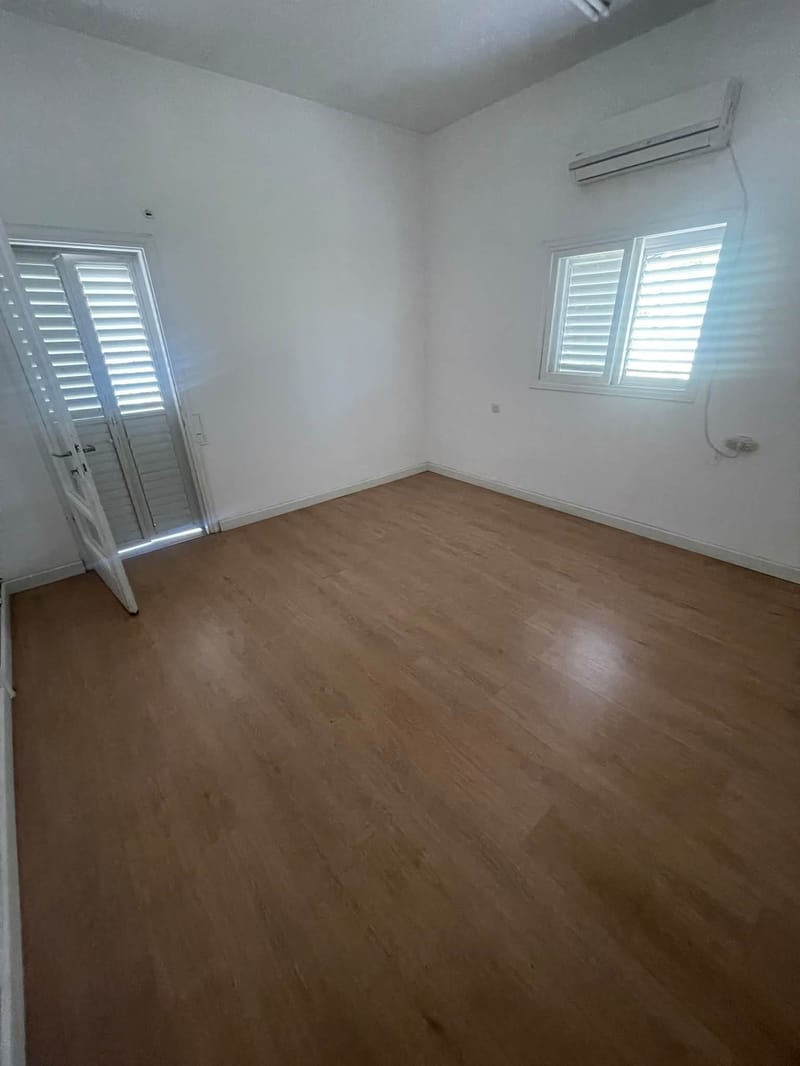
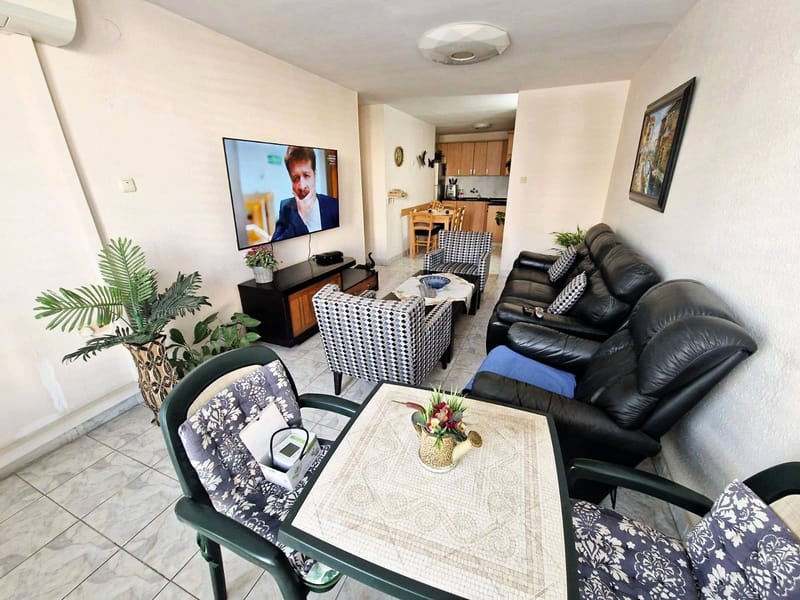
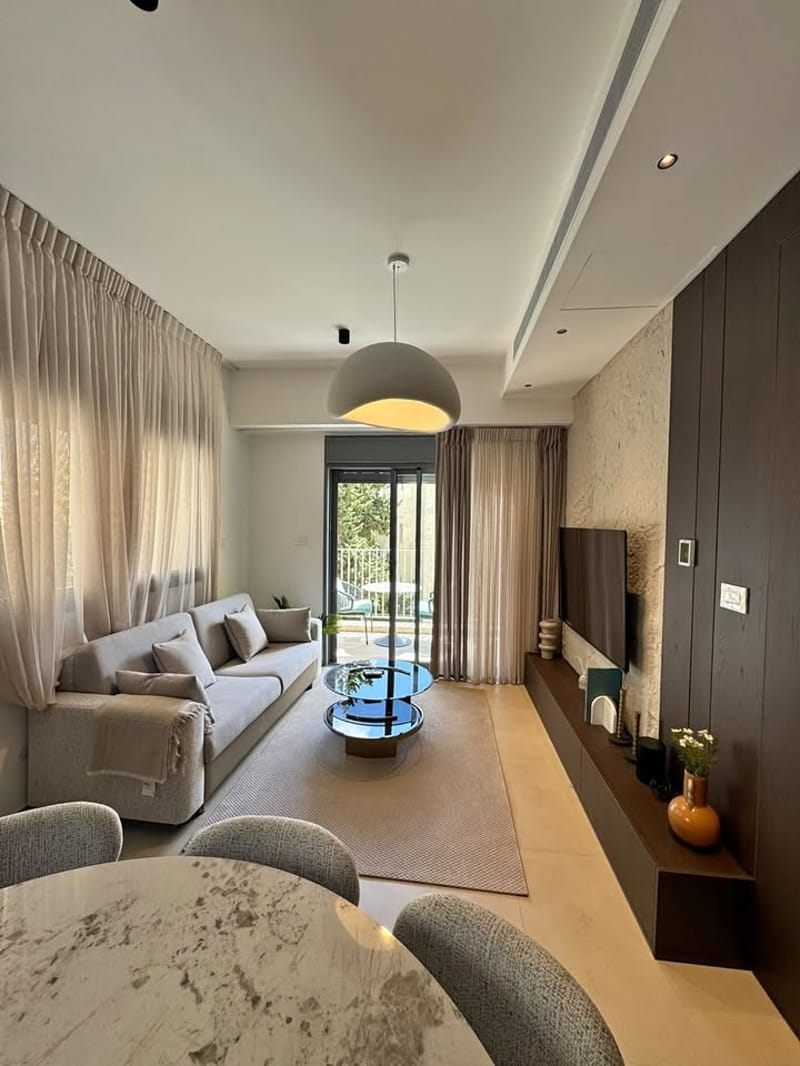
Fair warning about the rental market: it's brutal. Tel Aviv is the most expensive place to rent in Israel by a wide margin, and prices have been climbing for years with no real sign of slowing down. Apartments move fast, sometimes within a day of being listed, and you'll regularly show up to viewings with a line of other people behind you. A lot of the housing stock is older Bauhaus buildings that look gorgeous from the street but haven't really been updated inside — small kitchens, no elevator, finicky plumbing. Newer towers exist, mostly toward the edges and in redevelopment pockets, and they're priced accordingly. Roommate living is completely normal well into your 30s, and broker fees are still something you'll usually have to factor in.
Getting around is mostly on foot, bike, or scooter — the city is flat and pretty compact, which is honestly one of the best parts of living here. The light rail is finally running, buses are decent, and most people skip owning a car because parking is a nightmare. Broadly, the center and north are pricier and more polished, the south (Florentin, Neve Sha'anan, Shapira) is grittier and more creative and where younger renters tend to land for cheaper rooms, and the beachfront areas sit in their own premium category. The tradeoffs are real — noise, dirt, sticky summers, a constant low hum of financial stress — but people put up with it because the city has a pull that's hard to replicate anywhere else in Israel.
5,628 listings added in the last month · 1,760 already rented · Last updated today at 02:56
We use cookies to keep the site running, improve your browsing experience, analyze usage and personalize content and advertising. Learn more in our privacy policy.

 Try Dorit for Free