
 Try Dorit for Free
Unreasonable use
Occupying or operating a rental property in a negligent, destructive, or improper manner that causes damage exceeding ordinary wear and tear.
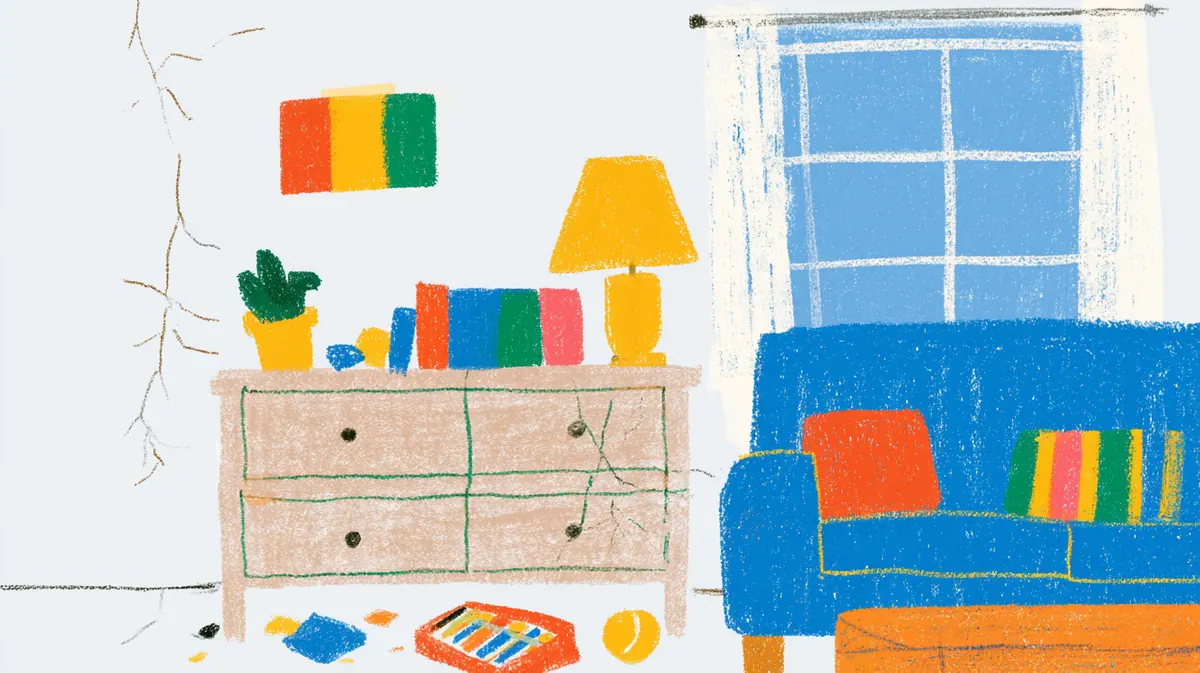
Unreasonable use includes intentional damage, gross negligence (such as leaving a faucet running and causing a flood), or using the property for non-residential purposes like running a small workshop. Unlike normal wear and tear, tenants bear sole financial responsibility for damage caused by unreasonable use, and landlords may demand instant repairs or deduct costs from the security deposit.
The law distinguishes standard use from negligence, requiring tenants to act as prudent renters who prevent damage a reasonable person would avoid. For example, if a drain clogs because a tenant repeatedly washes heavy plant debris in the sink, this counts as negligence rather than standard wear and tear.




What kind of apartment are you looking for?
Dorit scans the web 24/7 and sends you an alert the moment a matching apartment goes live
Related terms
Reasonable Wear and Tear
The natural physical deterioration of an apartment and its equipment resulting from ordinary, everyday use over time, without fault or neglect by the tenant.
Landlord's Duty to Repair
A landlord's legal obligation to repair apartment defects not caused by the tenant and to maintain the property in a livable condition.
Fundamental Breach
A severe breach of the lease agreement that entitles the harmed party to terminate the contract and seek damages, such as repeated non-payment of rent or intentional property damage.
The information in this glossary is for general informational purposes only and does not constitute legal advice. In the event of a dispute or a specific legal question, consult an attorney specializing in tenancy law.