
 Try Dorit for Free
Reasonable Wear and Tear
The natural physical deterioration of an apartment and its equipment resulting from ordinary, everyday use over time, without fault or neglect by the tenant.
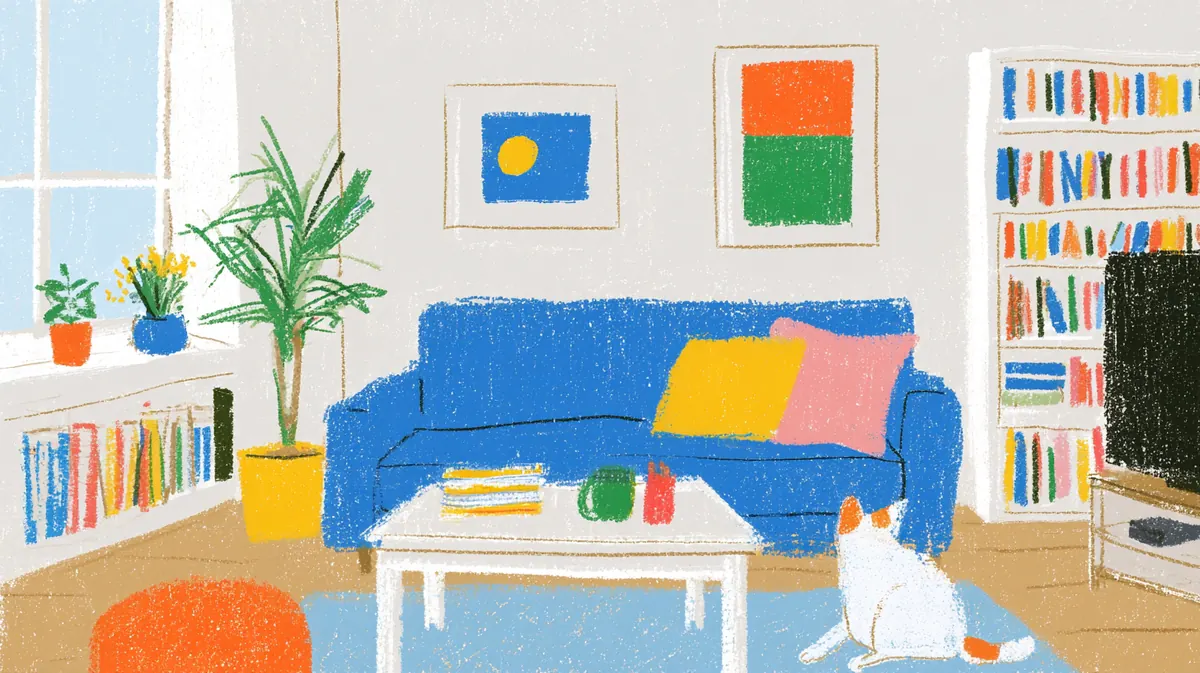
Reasonable wear and tear includes faded paint, minor floor scuffs, and the natural breakdown of rubber seals over time. Under the Fair Rental Law, tenants are not liable for repairing normal wear, and landlords may not withhold security deposit funds to fix standard age-related wear.
Different components of a rental unit have distinct operational lifespans: interior paint typically wears out every 3 to 5 years, while faucets and plumbing fixtures last up to 10 years. Calculating fair wear takes into account the item's age at lease commencement and calculates proportional cost across its expected service life.




What kind of apartment are you looking for?
Dorit scans the web 24/7 and sends you an alert the moment a matching apartment goes live
Related terms
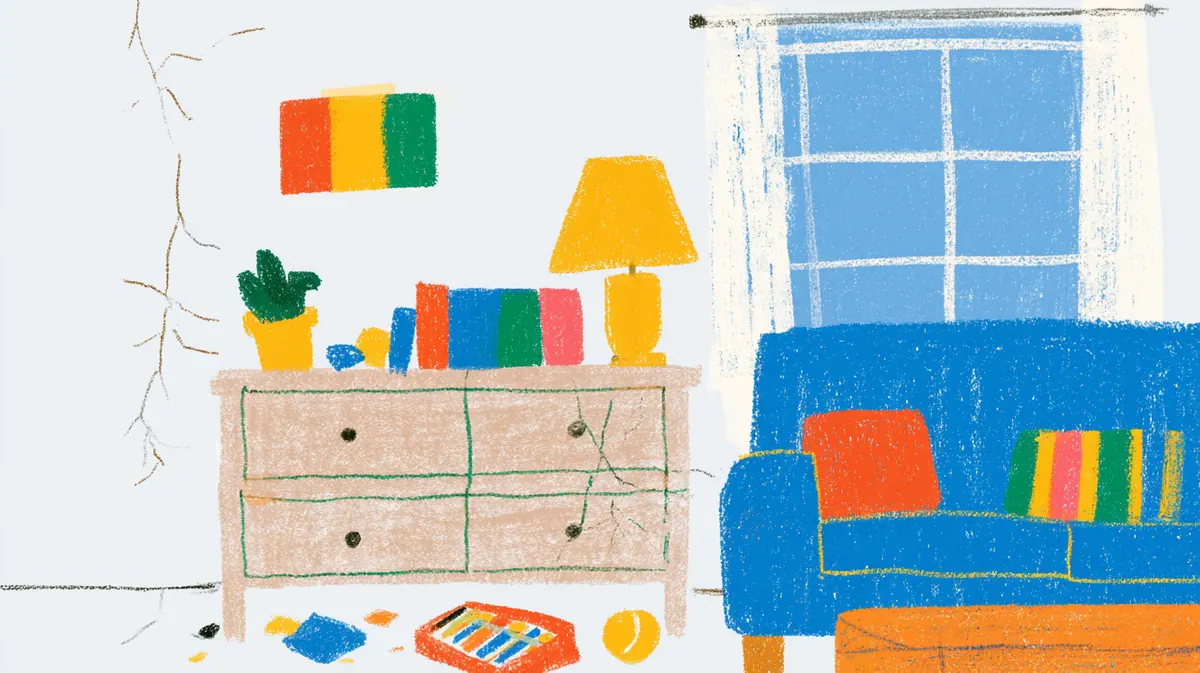
Unreasonable use
Occupying or operating a rental property in a negligent, destructive, or improper manner that causes damage exceeding ordinary wear and tear.
Landlord's Duty to Repair
A landlord's legal obligation to repair apartment defects not caused by the tenant and to maintain the property in a livable condition.

Handover protocol
A detailed document signed upon receiving and returning the apartment, recording the condition of the property, its equipment, and any existing defects.
The information in this glossary is for general informational purposes only and does not constitute legal advice. In the event of a dispute or a specific legal question, consult an attorney specializing in tenancy law.